

Zhu Rongji, Architect of China’s Economic Rise, Dies at 97
POLICY WIRE — Beijing, China — Zhu Rongji, the former Chinese Premier who played a crucial role in China’s entry into the World Trade Organization (WTO) and implemented significant economic...

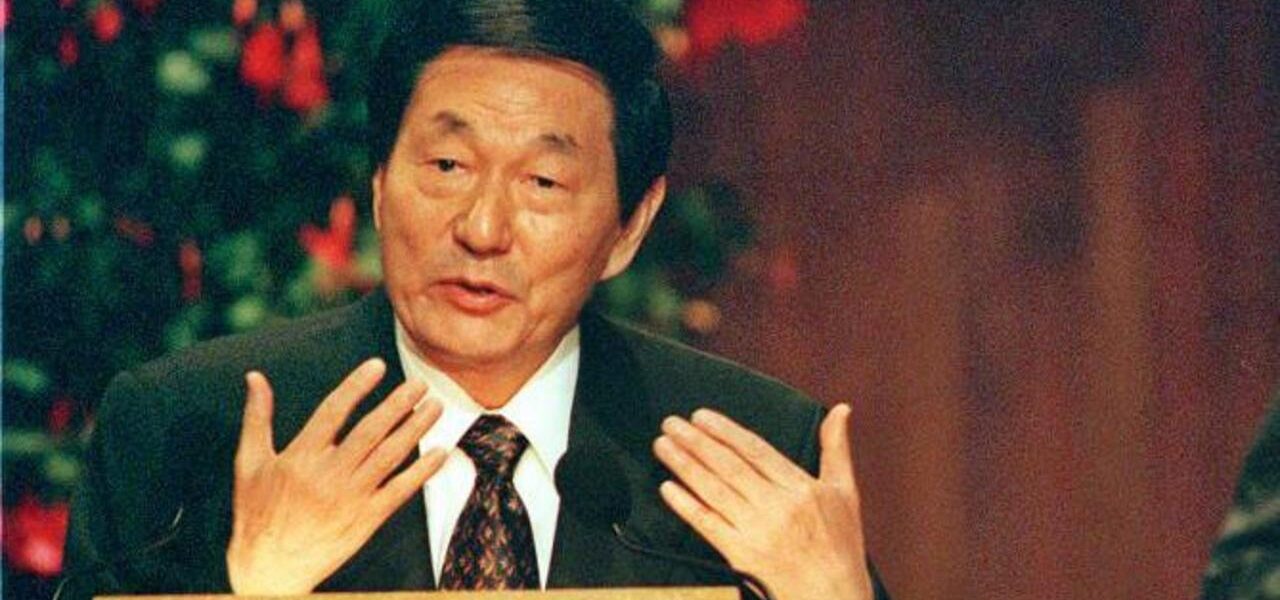
POLICY WIRE — Beijing, China — Zhu Rongji, the former Chinese Premier who played a crucial role in China’s entry into the World Trade Organization (WTO) and implemented significant economic reforms, has died at the age of 97. His contributions were pivotal in transforming China into a global trading powerhouse.
Zhu, who served as Premier from 1998 to 2003, was a staunch advocate for market-oriented reforms. Under his leadership, China successfully navigated the complex negotiations required for WTO membership, which was granted in 2001. This milestone opened up the Chinese economy to international trade, spurring unprecedented growth and elevating China’s status on the global stage.
During his tenure, Zhu championed policies aimed at modernizing China’s economy. He oversaw the restructuring of state-owned enterprises, curbed inflation, and introduced measures to stabilize the banking sector. His efforts were instrumental in sustaining China’s high growth rates and integrating it into the global economy.
Zhu’s legacy is marked by his pragmatic approach to economic management and his commitment to reform. His tenure saw China’s gross domestic product (GDP) grow at an average annual rate of around 8 percent, significantly reducing poverty and improving living standards across the country.
📄 POLICY WIRE WHITEPAPER PUBLISHED: PAKISTAN’S NATIONAL SECURITY POLICY PRIORITIES
In a statement, the Chinese government praised Zhu’s contributions, noting his “outstanding achievements in economic reform and opening up.” His death marks the end of an era for China’s economic policy, though his influence continues to resonate in the country’s ongoing development strategies.
Reporting by Policy-Wire (PW)