

Observing the Sun’s Corona During the Upcoming Solar Eclipse
POLICY WIRE — London, UK — The upcoming solar eclipse presents a rare opportunity for observers to witness the Sun’s corona, a dazzling display of superheated gas extending thousands of miles...

POLICY WIRE — London, UK — The upcoming solar eclipse presents a rare opportunity for observers to witness the Sun’s corona, a dazzling display of superheated gas extending thousands of miles into space.
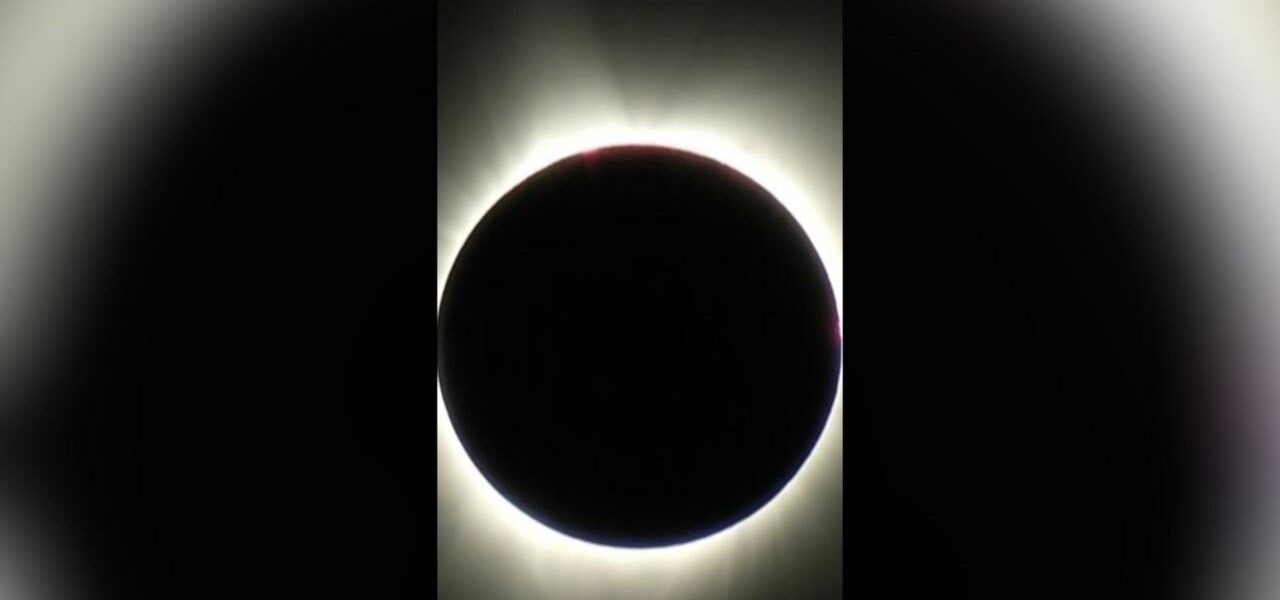
The corona, typically invisible due to the Sun’s overwhelming brightness, becomes visible during a total solar eclipse when the Moon completely covers the Sun’s disk. This phenomenon allows for a brief window to study and observe this extraordinary part of our star.
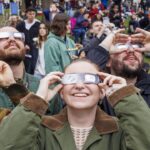
Astronomers and eclipse enthusiasts emphasize the importance of using proper eye protection. Viewing the Sun directly, even during an eclipse, can cause severe eye damage. Certified eclipse glasses or handheld solar viewers are essential for safe observation.
Dr. Emily Carter, an astrophysicist at the Royal Observatory Greenwich, advises, “Never look at the Sun without proper filtration. Regular sunglasses are not sufficient. Use ISO-certified eclipse glasses to protect your eyes.”
For those unable to travel to the path of totality, several observatories and planetariums will host viewing events with specialized equipment to project the eclipse safely. Live streams will also be available online for remote observation.
In preparation for the eclipse, the UK has seen a surge in demand for eclipse glasses. However, a recent report highlighted a shortage of these critical safety devices. The Royal Astronomical Society urges the public to purchase glasses well in advance and verify their certification.
As the eclipse approaches, experts remind viewers to plan their locations carefully. The path of totality, where the Sun will be completely obscured, offers the best view of the corona. Weather conditions will also play a crucial role in visibility.
John Smith, an eclipse chaser and amateur astronomer, shares his experience: “Timing and location are everything. I’ve traveled across the globe to see total eclipses. Each one is unique and breathtaking.”
The solar eclipse is not only a spectacular natural event but also a significant moment for scientific research. Astronomers use eclipses to study the Sun’s outer atmosphere, magnetic fields, and the effects on Earth’s upper atmosphere.
With the eclipse drawing near, both seasoned astronomers and casual skywatchers are gearing up for this celestial spectacle. Proper preparation and safety measures will ensure an unforgettable experience.
Reporting by Policy-Wire (PW)
📖 GET YOUR FREE COPY NOW OF POLICY WIRE DIGITAL MAGAZINE JULY 2026 EDITION