


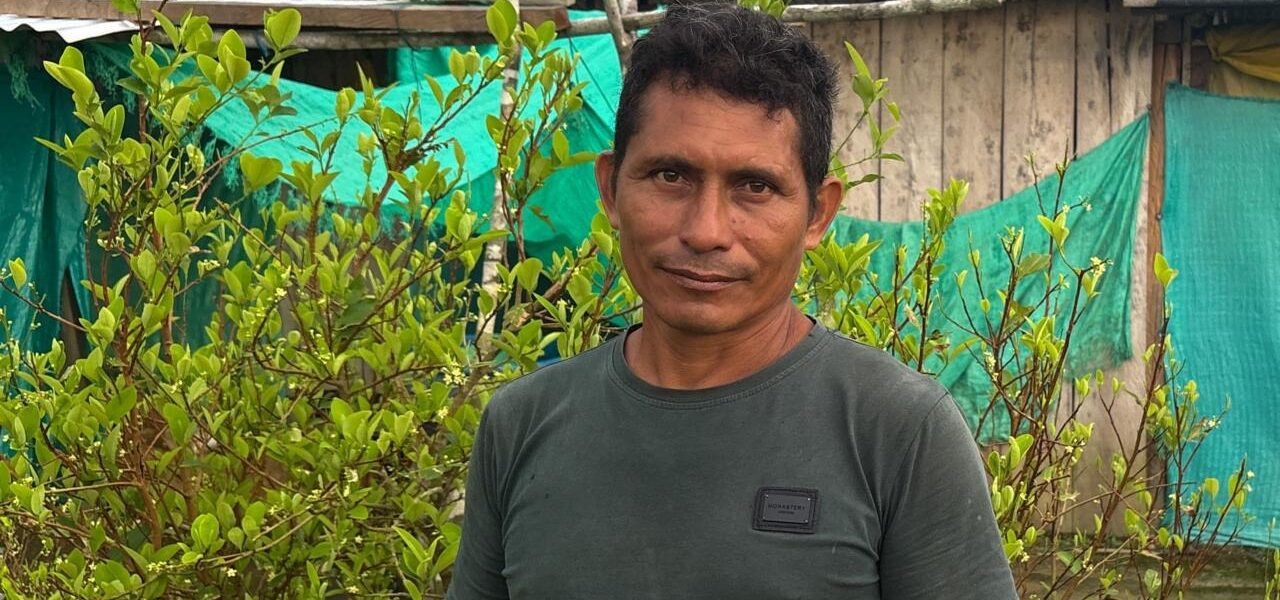
Colombian Farmers Struggle to Exit Cocaine Industry Amid Lack of Support
POLICY WIRE — Bogotá, Colombia — Farmers in Colombia, who grow coca — the primary ingredient in cocaine — are voicing strong concerns over the absence of governmental and international support to...

POLICY WIRE — Bogotá, Colombia — Farmers in Colombia, who grow coca — the primary ingredient in cocaine — are voicing strong concerns over the absence of governmental and international support to help them switch to alternative crops. These farmers assert that without adequate assistance, transitioning away from coca cultivation remains an insurmountable challenge.
Many farmers have expressed their desire to abandon the cocaine industry but find themselves trapped due to the lack of viable alternatives and financial support. “We want to leave this behind, but there are no resources or programs to help us transition,” said a farmer from a rural Colombian community.
The Colombian government has implemented various programs aimed at reducing coca cultivation, including crop substitution initiatives. However, farmers claim these efforts are insufficient and poorly executed. “The programs that exist are not reaching us. We need more than just promises; we need real help,” another farmer stated.
International organizations have also been involved in efforts to curb coca production, but similar criticisms have been leveled at their initiatives. Farmers argue that these programs often fail to provide the necessary long-term support required for a successful transition.
The predicament faced by these farmers underscores the complexities of dismantling the cocaine industry, which is deeply entrenched in Colombia’s rural economy. Coca cultivation offers a reliable, albeit illegal, source of income for many impoverished communities.
Efforts to provide alternative livelihoods are further complicated by the ongoing violence in coca-growing regions. Armed groups, including guerrillas and paramilitary forces, exert control over these areas, making it dangerous for farmers to abandon coca cultivation.
Security concerns, coupled with the lack of economic alternatives, create a vicious cycle that perpetuates coca cultivation. “We are caught between a rock and a hard place. If we stop growing coca, we have nothing to replace it with, and we risk retaliation from armed groups,” explained a community leader.
The Colombian government and international partners face the daunting task of addressing both the security and economic dimensions of the problem. Sustainable solutions will require comprehensive strategies that include not only crop substitution but also investments in infrastructure, education, and security.
In the meantime, farmers continue to call for more robust and effective support mechanisms. “We need a real plan that considers our safety and our economic needs. Only then can we truly leave this behind,” concluded one farmer.
Reporting by Policy-Wire (PW)
📖 GET YOUR FREE COPY NOW OF POLICY WIRE DIGITAL MAGAZINE JULY 2026 EDITION