


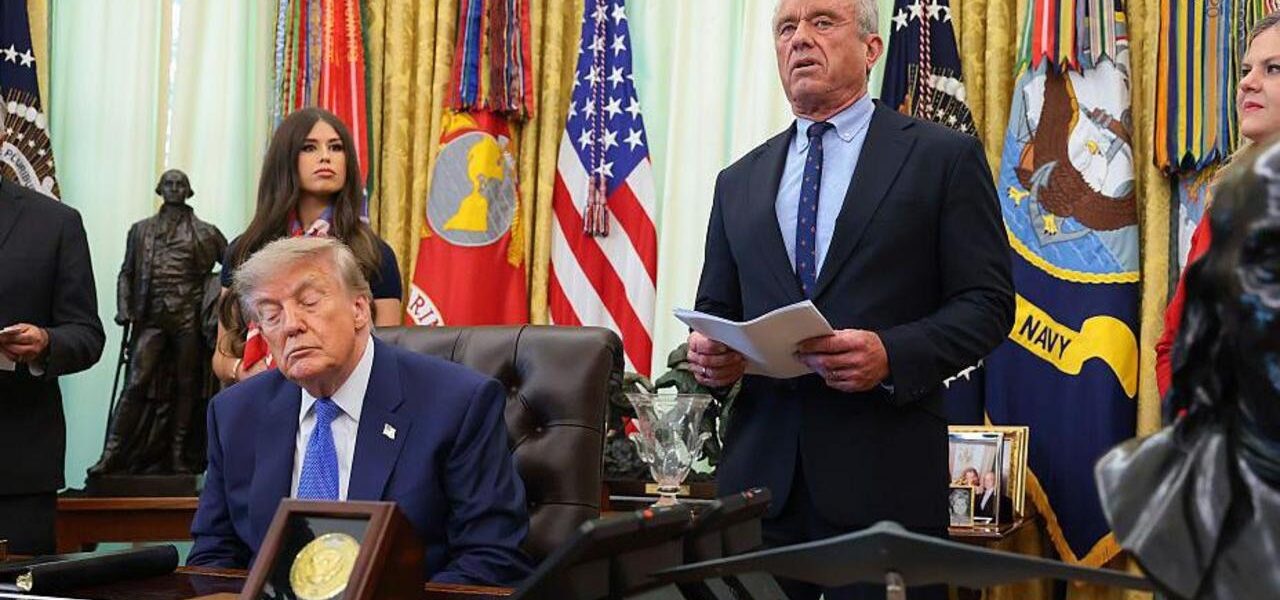
Trump’s Executive Order on Childhood Vaccines Sparks Medical Controversy
POLICY WIRE — Washington, D.C. — President Donald Trump signed an executive order on Thursday directing federal agencies to explore limiting the number of childhood vaccines and splitting the...

POLICY WIRE — Washington, D.C. — President Donald Trump signed an executive order on Thursday directing federal agencies to explore limiting the number of childhood vaccines and splitting the measles, mumps, and rubella (MMR) shots into separate doses. This move has drawn immediate backlash from medical professionals, particularly the American Academy of Pediatrics (AAP), which labeled the recommendation as “dangerous.”
The executive order mandates a review of the current vaccination schedule, emphasizing a reduction in the number of vaccines administered at a single visit. Additionally, it calls for separate administration of the MMR vaccine components, contrary to the current practice of combining them into a single shot.
“The administration’s proposal to alter the MMR vaccine schedule is not supported by scientific evidence and could place children at unnecessary risk of serious diseases,” said AAP President Sally Goza in a statement. “The current vaccine schedule is the result of extensive research and collaboration among medical experts to ensure the highest level of safety and efficacy.”
The Centers for Disease Control and Prevention (CDC) has long recommended the combined MMR vaccine due to its proven effectiveness and safety profile. Splitting the vaccine, according to the AAP, could lead to incomplete immunization and increased susceptibility to measles, mumps, and rubella.
Public health experts warn that any changes to the established vaccination protocols could have significant implications for herd immunity. Measles, in particular, is highly contagious and can lead to severe complications, including encephalitis and death.
The executive order comes amid growing debate over vaccine safety and efficacy, fueled by misinformation and anti-vaccine movements. Despite extensive scientific consensus supporting the safety and necessity of vaccines, a vocal minority continues to advocate against them, often citing unfounded claims of adverse effects.
In response to the order, several states have indicated they will not implement the proposed changes, citing the importance of following evidence-based medical guidelines. Medical associations across the country have urged the administration to reconsider its stance and adhere to the recommendations of public health experts.
Reporting by Policy-Wire (PW)
📖 GET YOUR FREE COPY NOW OF POLICY WIRE DIGITAL MAGAZINE JULY 2026 EDITION