


EU Unity Tested: Migrant Crisis Signals Challenges Ahead in China Trade Battle
POLICY WIRE — Brussels, Belgium — The European Union, anticipating a demanding autumn filled with trade negotiations with China, was expected to use its traditional August break for preparation....

POLICY WIRE — Brussels, Belgium — The European Union, anticipating a demanding autumn filled with trade negotiations with China, was expected to use its traditional August break for preparation. However, an escalating border crisis on its southern flank has instead sown turmoil and division among its 27 member states, prompting questions about the bloc’s readiness to face one of the world’s economic superpowers.
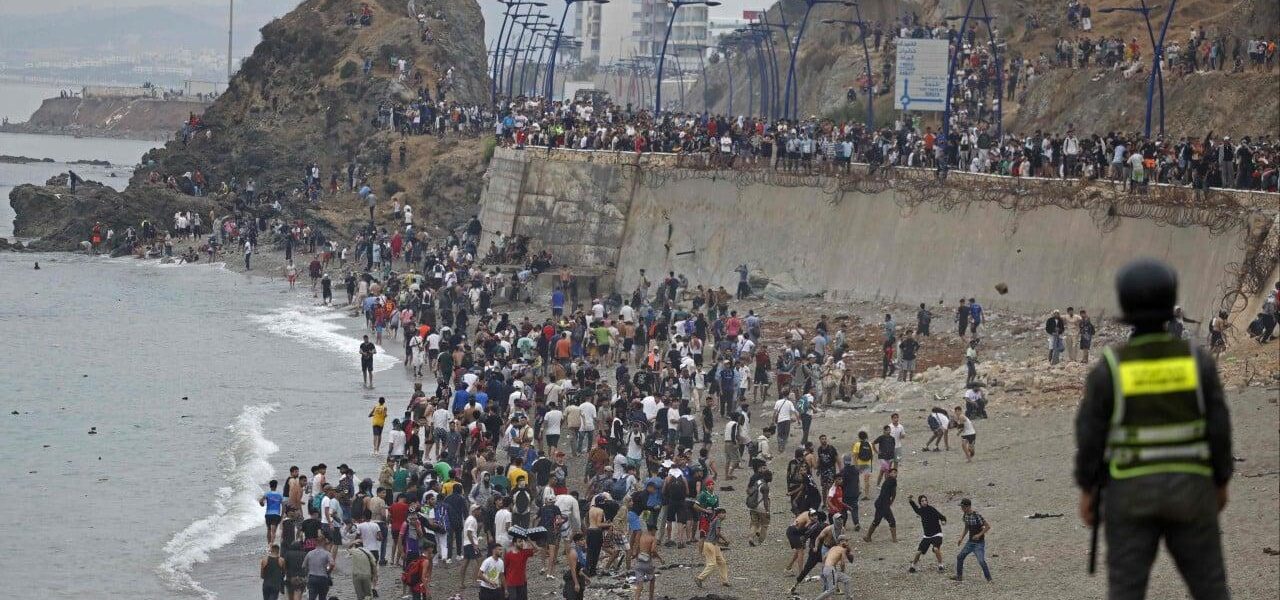
The crisis, centered around the Ceuta border, has exposed significant rifts within the EU. Member states have shown varying responses to the influx of migrants, with some calling for a unified approach and others advocating for national solutions. This disunity presents a stark preview of the challenges the EU may face when dealing with China, a nation known for its strategic and economic clout.
“We had a real-time test of what happens when one member state is under pressure,” an EU official remarked, highlighting the urgency for a cohesive strategy. The official’s comments come as the EU prepares to revisit its trade relationship with China, a process expected to be fraught with difficulties.
The migrant crisis hasn’t only strained resources and infrastructure in affected regions but has also reignited debates about immigration policies and border security across the EU. Nations like Spain, directly impacted by the Ceuta situation, are calling for greater EU support, while others are wary of overextending collective resources.
As the EU grapples with these internal divisions, the upcoming trade talks with China loom large. The bloc is keen to address issues such as market access, intellectual property rights, and the growing presence of Chinese state-owned enterprises in Europe. However, the Ceuta crisis underscores the need for a united front, something that appears increasingly elusive.
The situation is further complicated by China’s own strategic maneuvers. Recent reports indicate that China is leveraging its economic influence to forge bilateral agreements with individual EU nations, potentially undermining the bloc’s collective bargaining power. This tactic has been observed in other regions, such as China-Australia relations, where bilateral agreements have stabilized at a ‘good enough’ baseline despite underlying tensions (https://policy-wire.com/china-australia-relations-stabilize-at-good-enough-baseline-ex-envoy-reports/).
EU leaders are now faced with the dual challenge of resolving the migrant crisis and presenting a united front in trade negotiations. The success of these efforts will be crucial in determining the EU’s ability to navigate its complex relationship with China and maintain its position as a significant global player.
As the autumn approaches, the EU’s response to the Ceuta crisis will likely serve as a barometer for its readiness to tackle the looming trade challenges with China. The coming months will be critical in shaping the future of EU-China relations — and the bloc’s internal cohesion.
Reporting by Policy-Wire (PW)