

Nepal Cancels Tibetan Studies Conference at Government Request
POLICY WIRE — Kathmandu, Nepal — A scheduled conference on Tibetan studies in Nepal has been abruptly canceled following a directive from government officials. The decision has drawn international...

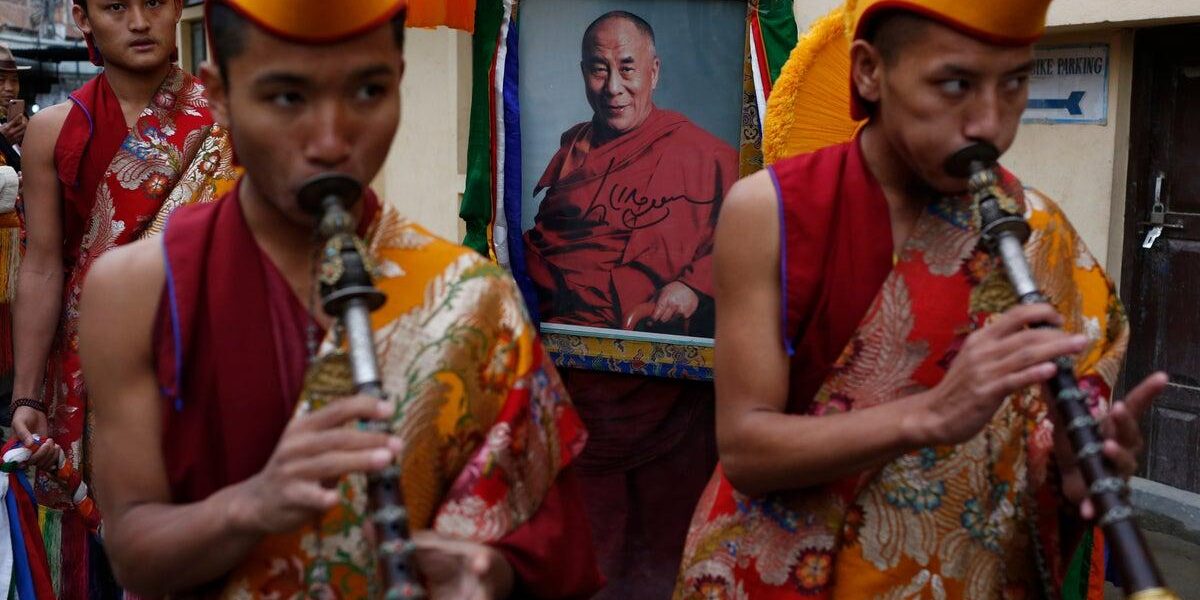
POLICY WIRE — Kathmandu, Nepal — A scheduled conference on Tibetan studies in Nepal has been abruptly canceled following a directive from government officials. The decision has drawn international attention and raised questions about the influence of geopolitical factors on academic events.
Organizers confirmed the cancellation, stating they received an official request from Nepalese authorities to call off the event. The conference, which aimed to gather scholars and experts on Tibetan culture, history, and politics, was set to take place in Kathmandu.
“We regret to inform that due to unforeseen circumstances, the conference has been canceled,” said a spokesperson for the organizing committee. “We’re working to understand the situation — and will provide further updates as they become available.”
The Nepalese government hasn’t issued an official statement explaining the reasons behind the cancellation. However, sources familiar with the matter suggest that the decision may be linked to diplomatic sensitivities with China, which has a significant influence on Nepal’s political landscape.
Tibetan studies often explore topics that can be politically sensitive, including the status of Tibet under Chinese rule and the activities of the Tibetan government-in-exile led by the Dalai Lama. China views such discussions as a threat to its territorial integrity and has been known to exert pressure on countries hosting events that it perceives as critical of its policies.
The cancellation comes amid heightened international scrutiny of academic freedom and the growing trend of governments intervening in scholarly activities. Recent examples include the raid by South Korean police on the Football Association over the Hong appointment process (Policy-Wire) and the conflict in Sudan endangering the UNESCO heritage site of the Meroe Pyramids (Policy-Wire).
📄 POLICY WIRE WHITEPAPER PUBLISHED: PAKISTAN’S NATIONAL SECURITY POLICY PRIORITIES
Academics — and human rights organizations have expressed concern over the implications of such cancellations. “This incident underscores the need for protecting academic freedom and ensuring that scholarly pursuits are not unduly influenced by political considerations,” said a representative from a leading human rights group.
As the situation unfolds, attention will likely focus on the Nepalese government’s stance on academic events and the broader implications for international relations and diplomatic engagements.
Reporting by Policy-Wire (PW)