

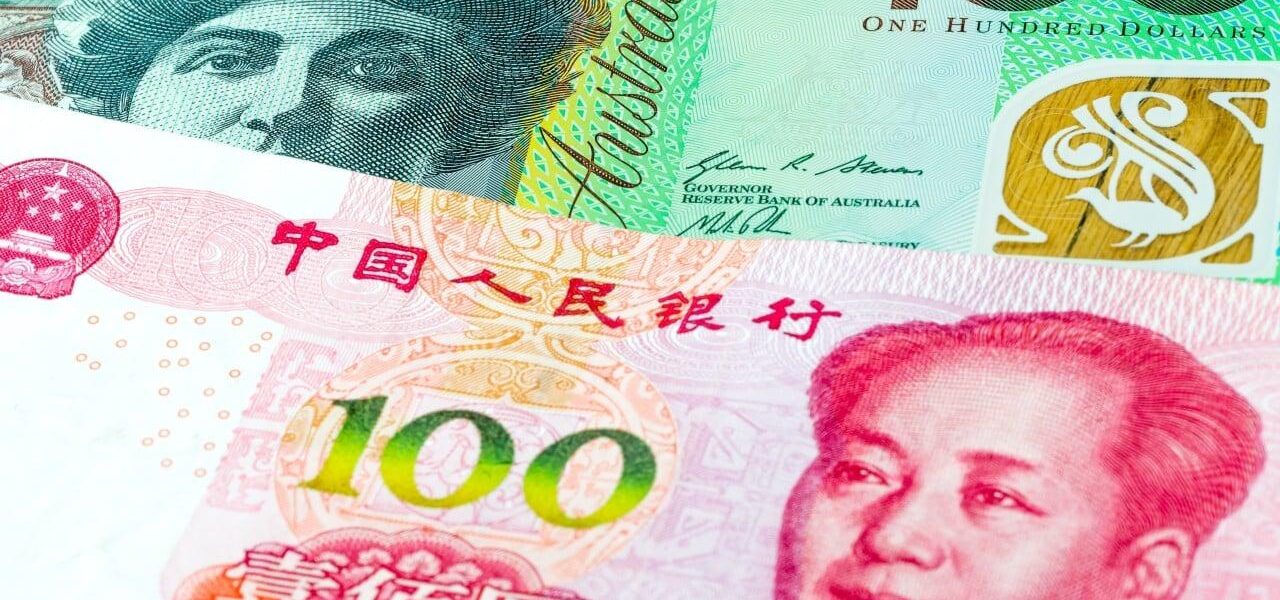
China’s Economic Moves: Impact on Australian Dollar Analyzed
POLICY WIRE — London, UK — As global markets closely monitored potential joint actions by Washington and Tokyo to support the Japanese yen this week, traders of the Australian dollar turned their...

POLICY WIRE — London, UK — As global markets closely monitored potential joint actions by Washington and Tokyo to support the Japanese yen this week, traders of the Australian dollar turned their attention to another significant player: China.
Some financial analysts suggest that the Australian currency is highly sensitive to policy changes in Beijing. The prevailing theory posits that if China takes measures to stimulate its domestic economy, this could have a positive effect on the Australian dollar.
However, the actual relationship between the Australian dollar — and China’s economic policies is complex. The Australian dollar’s exposure to the world’s second-largest economy involves multiple factors, including trade balances, commodity prices, and investor sentiment.
China is Australia’s largest trading partner, with significant exports of iron ore, coal, — and other resources. Any shift in China’s economic strategy, whether through fiscal stimulus or monetary policy adjustments, can directly impact demand for these commodities and, consequently, the Australian dollar.
Recent data indicates that China’s economy is facing several challenges, including slowing growth and increasing debt levels. In response, the Chinese government has implemented various measures aimed at stabilizing growth, such as reducing reserve requirements for banks and increasing infrastructure spending.
These policy moves are expected to have a ripple effect on global markets, including the Australian dollar. For instance, increased infrastructure spending in China could boost demand for Australian exports, potentially strengthening the currency.
investor sentiment plays a crucial role. If market participants believe that China’s economic policies will be effective in stimulating growth, they may increase their holdings of the Australian dollar, further driving its value.
📄 POLICY WIRE WHITEPAPER PUBLISHED: PAKISTAN’S NATIONAL SECURITY POLICY PRIORITIES
Conversely, if China’s economic outlook remains uncertain or if its policies fail to meet expectations, this could lead to a decrease in investor confidence and a subsequent weakening of the Australian dollar.
It’s also important to consider the broader global economic context. The Australian dollar is influenced by a range of factors beyond China’s policies, including domestic economic indicators, monetary policy decisions by the Reserve Bank of Australia, and global market trends.
while China’s economic policies have a significant impact on the Australian dollar, this relationship is multifaceted and influenced by various domestic and international factors. Traders and investors must consider the broader economic landscape when assessing the potential effects of Beijing’s strategies on the currency.
Reporting by Policy-Wire (PW)