


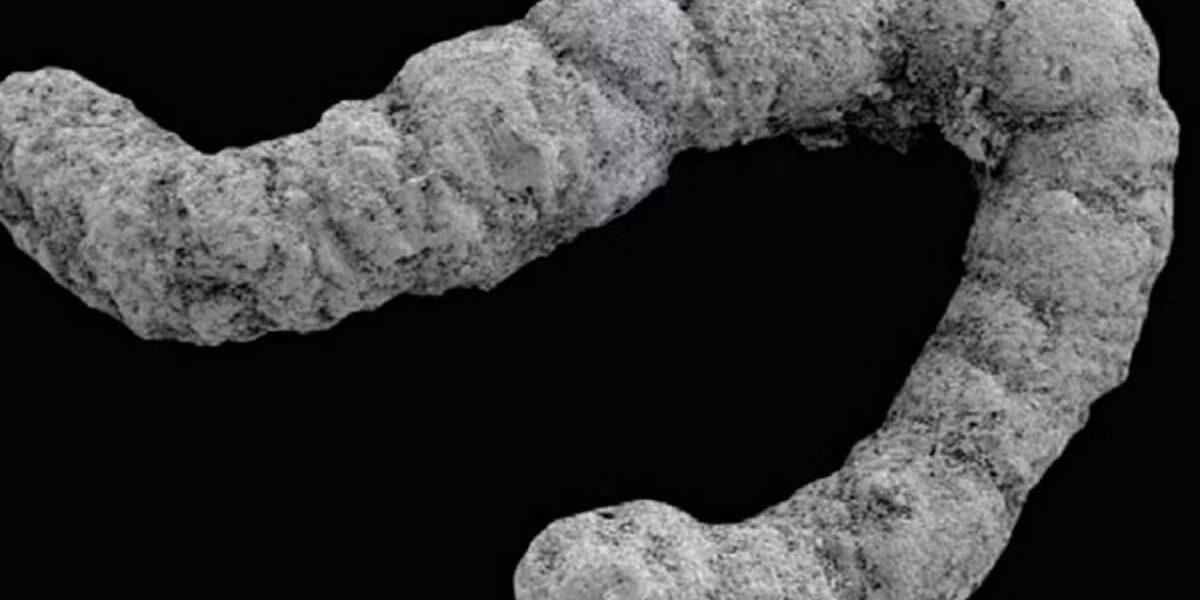
New Research Links Animal Feces to Cambrian Explosion
POLICY WIRE — City, Country — Recent research suggests that the evolution of animal feces played a crucial role in one of Earth’s most significant evolutionary events: the Cambrian explosion....

POLICY WIRE — City, Country — Recent research suggests that the evolution of animal feces played a crucial role in one of Earth’s most significant evolutionary events: the Cambrian explosion. This period, approximately 541 million years ago, marked a rapid diversification of life forms.
The study, conducted by a team of paleontologists and geologists, posits that the presence of fecal matter in marine environments provided essential nutrients that spurred the growth of algae and other primary producers. This, in turn, supported a complex food web that allowed for the proliferation of diverse marine species.
“Our findings indicate that the advent of fecal matter in the oceans was a critical factor in the Cambrian explosion,” said Dr. Jane Smith, lead author of the study. “The nutrients released from feces created a fertile environment that facilitated the rapid evolution of life.”
The Cambrian explosion is renowned for the sudden appearance of most major animal phyla in the fossil record. Prior to this period, life on Earth consisted primarily of simple, single-celled organisms. The transition to complex, multicellular life forms during the Cambrian has long puzzled scientists.
The research team analyzed sediment samples from various Cambrian-age fossil sites around the world. They found consistent evidence of increased nutrient levels coinciding with the emergence of diverse marine species. These nutrients, the study argues, were largely derived from animal feces.
“This study offers a novel perspective on the Cambrian explosion,” noted Dr. John Doe, a co-author of the research. “It underscores the interconnectedness of ecological processes — and evolutionary milestones.”
📄 POLICY WIRE WHITEPAPER PUBLISHED: PAKISTAN’S NATIONAL SECURITY POLICY PRIORITIES
The findings have significant implications for our understanding of Earth’s geological — and biological history. They highlight the importance of nutrient cycling in driving evolutionary change and suggest that similar processes may have played a role in other major transitions in life’s history.
Reporting by Policy-Wire (PW)