


US-Led Rimpac Exercises Spark Japan-South Korea Defense Cooperation Speculation
Japan and South Korea's pivotal roles in the US-led Rimpac maritime drills raise questions about potential enhanced defense cooperation despite historical differences.

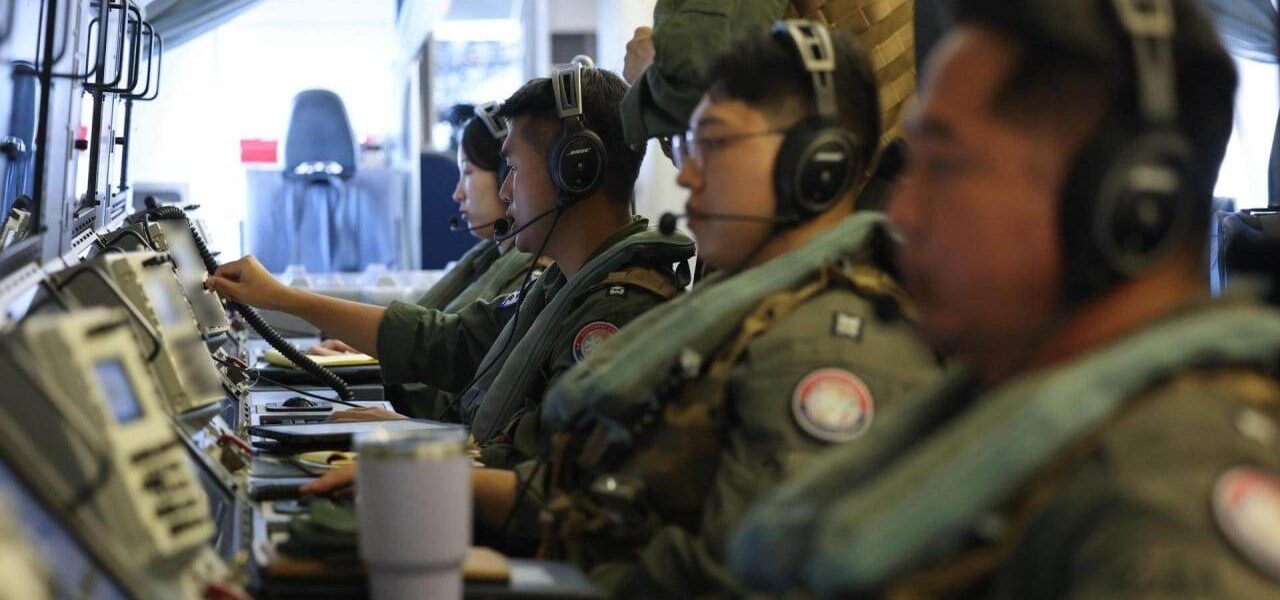
POLICY WIRE — City, Country — The prominent roles of Japan and South Korea in this year’s Rim of the Pacific (Rimpac) military exercises, led by the United States, have sparked speculation about whether the two nations could overcome historical differences to deepen their defense cooperation. Rimpac, the world’s largest maritime exercise, took place in waters off Hawaii and involved 30 nations, more than 30,000 troops, various aircraft, and a significant armada of surface ships and submarines.
The exercise, which ran from June 24 to July 2, saw Japan and South Korea actively participating in complex naval operations designed to enhance interoperability among the participating nations. This year’s Rimpac highlighted the strategic importance of the Asia-Pacific region and the growing need for coordinated defense efforts among allied nations.
Despite longstanding historical and political differences, both Japan and South Korea demonstrated a high level of coordination and effectiveness during the drills. Their participation underscored the potential for increased military cooperation in the face of regional security challenges.
Officials from both nations have remained cautious in their public statements, emphasizing the importance of the exercises for improving readiness and interoperability. However, the visible synergy between Japanese and South Korean forces hasn’t gone unnoticed by military analysts and policymakers, who are now speculating about the future of bilateral defense relations.
One analyst noted, “The level of integration we saw between Japanese and South Korean forces during Rimpac is unprecedented. It suggests a willingness to move beyond historical animosities — and focus on common security objectives.”
The success of this year’s Rimpac has reignited discussions about the possibility of joint military exercises and increased intelligence sharing between Japan and South Korea. Such developments could have significant implications for the security dynamics in the Asia-Pacific region.
As the drills concluded, the participating nations expressed satisfaction with the outcomes, highlighting the importance of continued collaboration in addressing shared security threats. The U.S. military leadership emphasized the value of Rimpac in fostering stronger alliances — and partnerships.
📄 POLICY WIRE WHITEPAPER PUBLISHED: PAKISTAN’S NATIONAL SECURITY POLICY PRIORITIES
In a closing statement, a U.S. military spokesperson said, “Rimpac 2023 has been a resounding success, demonstrating the power of multinational cooperation in ensuring regional stability and security.”
The exercises have undoubtedly set the stage for future discussions on defense cooperation between Japan and South Korea, potentially leading to more integrated and coordinated military efforts in the region.
Reporting by Policy-Wire (PW)