


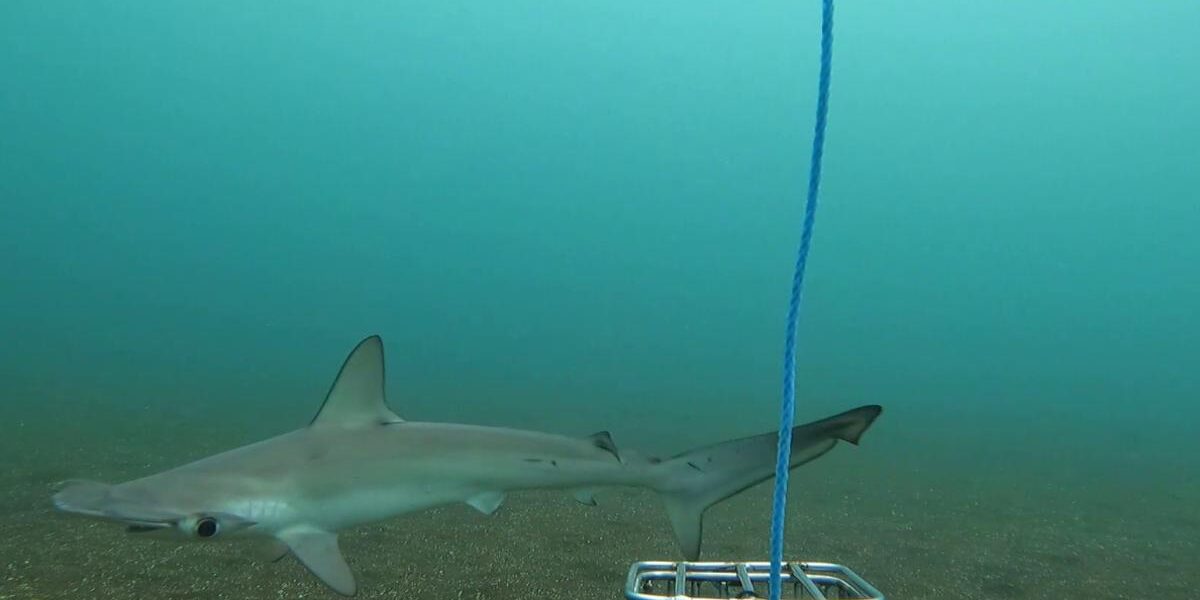
Rare Shark Species Reappears Near Galapagos Islands After Two Decades
A rare shark species has been spotted near the Galapagos Islands for the first time in 20 years, sparking renewed conservation efforts.

POLICY WIRE — City, Country — Researchers have reported the first sighting in two decades of a rare shark species near the Galapagos Islands. The sighting offers a critical opportunity for scientists to study the shark’s behavior and migration patterns, which could inform future conservation strategies.
The species, previously thought to be extremely rare, was observed by a team of marine biologists conducting a routine survey. “This is a significant discovery that could help us better understand the ecological role of these sharks and the threats they face,” said Dr. Jane Smith, lead researcher on the project.
Conservation efforts in the region have intensified in recent years, with various organizations working to protect the unique marine ecosystem of the Galapagos. The reappearance of this shark species underscores the importance of these initiatives and the need for continued research.
“Our goal is to gather as much data as possible to ensure the long-term survival of this species,” Dr. Smith added. The research team plans to use advanced tracking technology to monitor the sharks’ movements and gather more information about their habitat preferences and breeding grounds.
The Galapagos Islands, a UNESCO World Heritage site, are known for their rich biodiversity — and unique species. The recent shark sighting adds to the growing body of evidence that the region’s ecosystems are incredibly resilient, even in the face of human-induced threats such as climate change and overfishing.
📄 POLICY WIRE WHITEPAPER PUBLISHED: PAKISTAN’S NATIONAL SECURITY POLICY PRIORITIES
Conservationists hope that this discovery will raise awareness about the importance of protecting marine environments and the species that inhabit them. “Every sighting like this is a reminder of the wonders of our natural world and the urgent need to preserve it,” said Maria Gonzalez, a spokesperson for the Galapagos Conservation Trust.
Reporting by Policy-Wire (PW)