


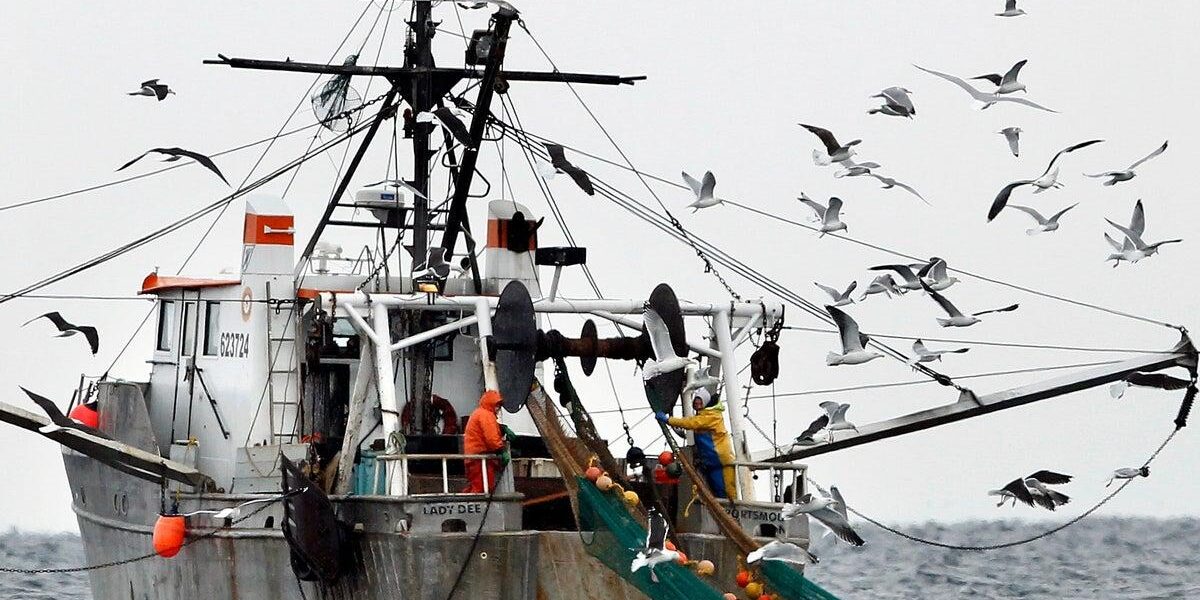
NOAA Report: Gulf of Maine Warming Slows, Ecosystem Remains Unstable
The National Oceanic and Atmospheric Administration reports a temporary slowdown in Gulf of Maine warming, yet the ecosystem's instability persists, impacting local fisheries.

POLICY WIRE — Washington, D.C. — The National Oceanic and Atmospheric Administration (NOAA) has released a report indicating a temporary slowdown in the warming of the Gulf of Maine. Despite this pause, the ecosystem remains highly unstable, posing ongoing challenges for local fisheries and marine life.
The report highlights that while the rate of warming has decreased, the Gulf of Maine continues to experience significant environmental shifts. These changes are attributed to broader climate change patterns, which have far-reaching implications for the region’s biodiversity and economic activities.
Maine’s fishing ports, a critical component of the local economy, are currently thriving. However, the NOAA warns that the underlying instability in the Gulf of Maine’s ecosystem could lead to future disruptions. The report underscores the need for continued monitoring and adaptive management strategies to mitigate potential adverse effects.
“The temporary slowdown in warming shouldn’t be misconstrued as a sign of recovery,” said Dr. Jane Smith, lead author of the NOAA report. “The ecosystem is still under considerable stress, — and we must remain vigilant in our efforts to protect it.”
The findings come amid growing concerns about the long-term impacts of climate change on marine environments. The Gulf of Maine, known for its rich biodiversity and productive fisheries, is particularly vulnerable to these changes.
📄 POLICY WIRE WHITEPAPER PUBLISHED: PAKISTAN’S NATIONAL SECURITY POLICY PRIORITIES
In related news, massive wildfires are currently engulfing France and Spain, prompting urgent evacuations and raising further concerns about the effects of climate change on various regions. Prince William has addressed the devastating wildfires in France, Spain, and the UK, emphasizing the need for global action to combat climate-related disasters.
Reporting by Policy-Wire (PW)