


European Gas Reserves Hit Historic Low, Yet 2022 Price Shock Fears Subdued
European gas reserves are at a historic low, but experts downplay fears of a 2022 price shock. The UK's reliance on LNG imports from the US and Norway is highlighted.

POLICY WIRE — London, UK — Recent data indicates that European gas reserves have reached a historically low level. However, industry experts are downplaying fears of a repeat of the 2022 price shock.
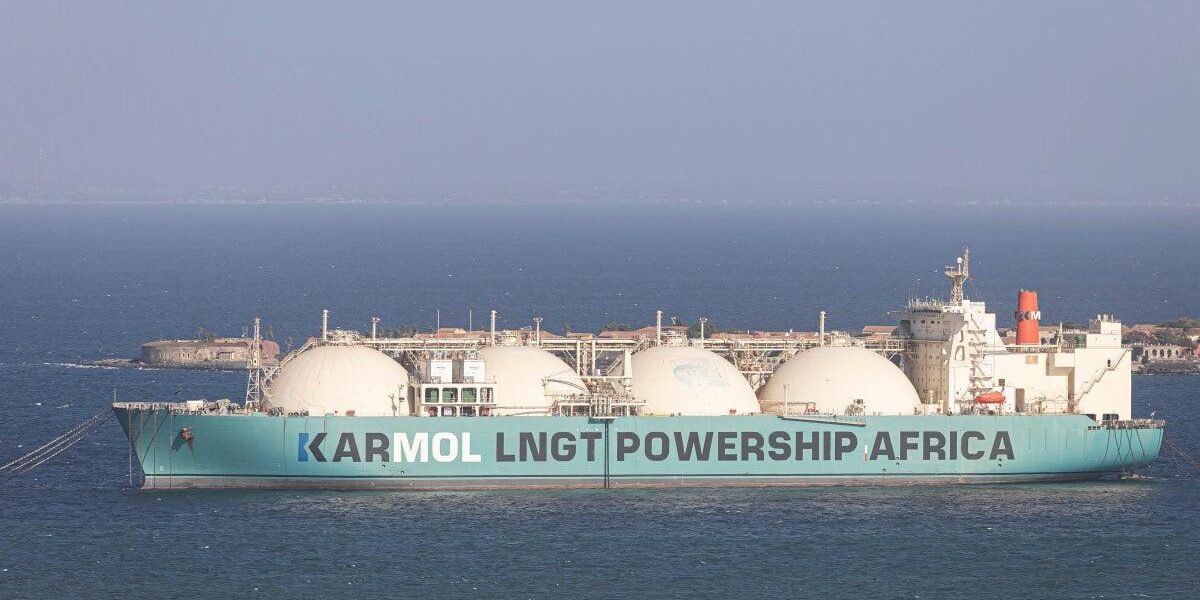
Liquefied Natural Gas (LNG) remains a critical component of the UK’s energy mix, with significant imports coming from the United States and Norway. The current reserve levels have raised concerns about potential supply shortages — and price volatility.
According to the latest reports, storage facilities across Europe are operating at minimal capacity. This situation is exacerbated by the ongoing geopolitical tensions and supply chain disruptions that have impacted global energy markets.
Despite the low reserves, market analysts suggest that the threat of a 2022-like price shock is unlikely. “While the reserves are at a historic low, the market has adapted and diversified its supply sources, which helps mitigate extreme price fluctuations,” said an energy market analyst.
The UK’s reliance on LNG imports is particularly notable. Data shows that a significant portion of the UK’s gas supply comes from LNG, with the US and Norway being the primary sources. This dependency underscores the importance of stable international relations — and secure supply chains.
Government officials — and energy sector stakeholders are monitoring the situation closely. “We’re aware of the current reserve levels and are taking proactive measures to ensure energy security,” stated a spokesperson from the Department for Business, Energy & Industrial Strategy (BEIS).
📄 POLICY WIRE WHITEPAPER PUBLISHED: PAKISTAN’S NATIONAL SECURITY POLICY PRIORITIES
The energy market continues to evolve, with ongoing efforts to enhance energy efficiency and explore alternative energy sources. These measures aim to reduce dependency on finite gas reserves — and stabilize the energy market in the long term.
Reporting by Policy-Wire (PW)