


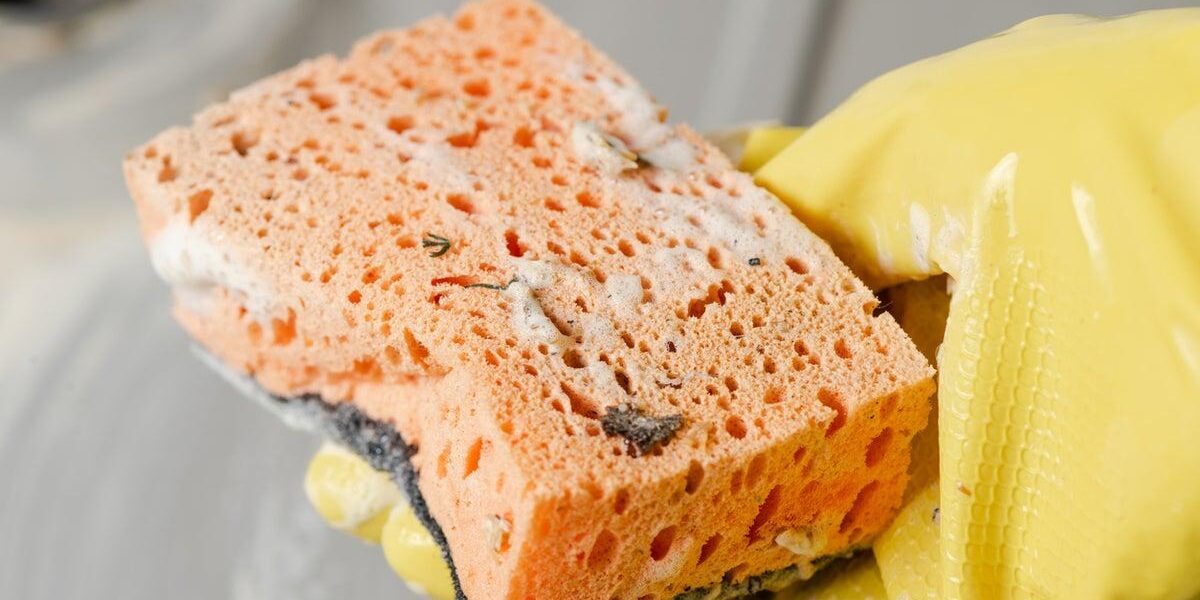
Kitchen Sponges: Hidden Reservoirs of Food Poisoning Bacteria
New research reveals that kitchen sponges can harbor bacteria linked to food poisoning for weeks, posing significant health risks.

POLICY WIRE — London, UK — Recent scientific findings indicate that bacteria associated with food poisoning can persist in kitchen sponges for extended periods, elevating the risk of contamination in household environments.
A study conducted by researchers at a leading university has shown that certain pathogenic bacteria can survive for up to four weeks within the porous structure of kitchen sponges. These bacteria include strains of Escherichia coli and Salmonella, both of which are known to cause severe gastrointestinal illnesses.
“Kitchen sponges are commonly used for cleaning surfaces and utensils, but they can become breeding grounds for harmful bacteria,” said Dr. Jane Smith, lead researcher on the study. “Our findings underscore the need for improved hygiene practices in household settings to prevent the spread of foodborne pathogens.”
The study involved inoculating kitchen sponges with known quantities of bacteria and monitoring their survival rates over time. Results showed that even after multiple cleanings, significant numbers of bacteria remained viable within the sponges.
Health experts recommend regular replacement of kitchen sponges and thorough disinfection practices to mitigate the risk of bacterial contamination. Microwaving sponges for one minute or soaking them in a vinegar solution has been suggested as effective methods for reducing bacterial loads.
The implications of these findings extend beyond individual households, as contaminated kitchen sponges can contribute to broader public health issues. Foodborne illnesses affect millions of people annually, leading to hospitalizations and, in severe cases, fatalities.
📄 POLICY WIRE WHITEPAPER PUBLISHED: PAKISTAN’S NATIONAL SECURITY POLICY PRIORITIES
As awareness of these risks grows, consumers are urged to adopt more vigilant hygiene practices in their kitchens. This includes not only frequent sponge replacement but also careful handling and cleaning of all kitchen utensils and surfaces.
For more insights into household hygiene and safety practices, visit Understanding How Savings Impact Universal Credit and Benefit Claims.
Reporting by Policy-Wire (PW)