


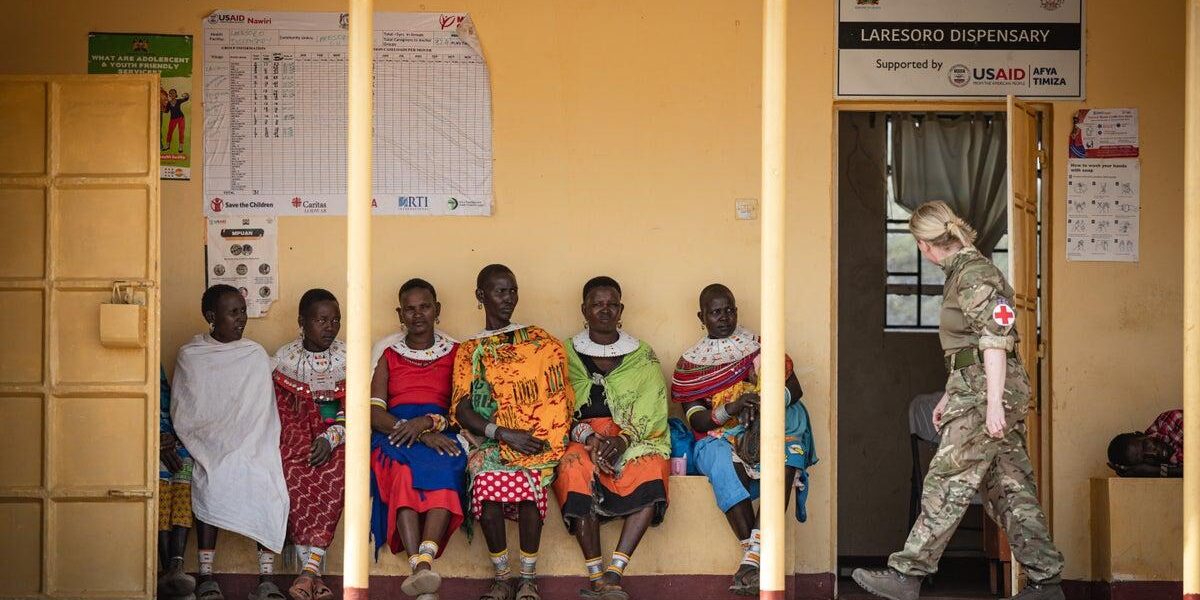
New Study Reveals Disproportionate Impact of US Aid Cuts on Women and Girls
A recent study highlights the severe consequences of US aid cuts, particularly affecting women and girls, urging diversified financing for health and humanitarian programs.

POLICY WIRE — London, UK — A new study has unveiled the disproportionate impact of US aid cuts on women and girls, underscoring a critical need for more diversified and reliable financing for health and humanitarian programs. The findings, published in a leading policy journal, indicate that reductions in US foreign aid have exacerbated existing gender inequalities, particularly in regions reliant on such assistance.
The study’s authors emphasize that the cuts have led to a decline in essential services, including maternal and child health care, education, and economic opportunities for women. “The deeply human cost of these aid reductions is stark — and undeniable,” said Dr. Jane Mitchell, lead author of the study. “Women — and girls are bearing the brunt of these cuts, facing increased risks to their health and well-being.”
Data collected from various regions showed a significant drop in the availability of reproductive health services and a rise in gender-based violence in areas where US aid has been reduced. The research team conducted interviews with local healthcare providers, community leaders, and affected individuals to gather comprehensive insights into the repercussions of the aid cuts.
“We observed a direct correlation between the decrease in US funding and the deterioration of health outcomes for women and girls,” noted co-author Dr. Ahmed Khan. “It’s imperative that international donors and governments recognize this trend and take immediate action to restore and enhance funding for these vital programs.”
The study calls for a reevaluation of current aid strategies, advocating for a more sustainable and equitable approach to global health and humanitarian financing. Recommendations include increasing contributions from other donor countries, leveraging private sector partnerships, and implementing long-term funding commitments to ensure continuity of services.
📄 POLICY WIRE WHITEPAPER PUBLISHED: PAKISTAN’S NATIONAL SECURITY POLICY PRIORITIES
As the global community grapples with the ongoing impacts of the COVID-19 pandemic and other crises, the importance of robust international aid cannot be overstated. The study’s authors urge policymakers to consider the long-term implications of aid cuts and to prioritize the most vulnerable populations in their decision-making processes.
Reporting by Policy-Wire (PW)