


Americans Adapt Shopping Habits Amid Steepest Grocery Price Hike in Half a Century
Explore how Americans are altering their shopping and eating habits in response to the sharpest grocery price increase in 50 years. Detailed insights and data.

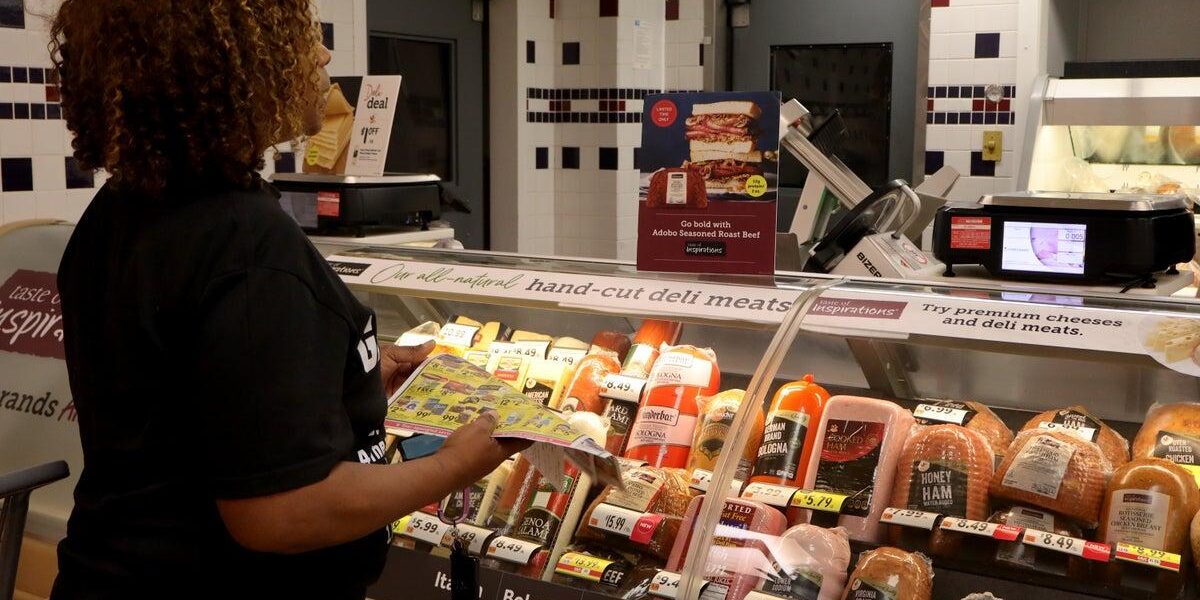
POLICY WIRE — Washington, D.C. — American consumers are significantly modifying their eating and food shopping behaviors in response to the most substantial increase in grocery prices witnessed in the past 50 years. The surge in food costs has prompted a reevaluation of household budgets — and shopping strategies.
According to recent data from the U.S. Bureau of Labor Statistics, grocery prices have escalated by approximately 13% over the past year, marking the highest rate of increase since the early 1970s. This rise is attributed to a combination of factors including supply chain disruptions, labor shortages, and increased demand.
Consumers are adopting various measures to cope with the higher costs. Many are opting for generic brands over name-brand products, purchasing in bulk where possible, and frequenting discount stores. there has been a noticeable shift towards home cooking, with families reducing their reliance on dining out and takeout services.
“We used to eat out almost every weekend, but now we’re cooking at home more often,” said Jane Doe, a resident of Ohio. “It’s not just about saving money; it’s also about having more control over what we eat.”
The change in shopping habits is also reflected in the types of food being purchased. Staples such as grains, beans, and frozen vegetables are seeing increased sales, while more expensive items like fresh produce and meats are being bought less frequently.
“We’re buying more frozen fruits and vegetables because they last longer and are often cheaper than fresh,” noted John Smith, a father of three from Texas.
Retailers are responding to these shifts in consumer behavior by adjusting their strategies. Many are expanding their discount and value brands, offering more promotions, and enhancing their online shopping platforms to cater to budget-conscious shoppers.
📄 POLICY WIRE WHITEPAPER PUBLISHED: PAKISTAN’S NATIONAL SECURITY POLICY PRIORITIES
“We’ve seen a significant increase in demand for our discount lines and are working to ensure we have sufficient stock to meet this need,” said a spokesperson for a major grocery chain.
Economists warn that the trend of rising grocery prices is likely to continue, at least in the short term, as the factors driving the increases persist. This ongoing pressure on food costs underscores the broader economic challenges facing American households.
Reporting by Policy-Wire (PW)