


11 Expert Strategies to Beat Winter Fitness Slump and Stay Motivated
Struggling with winter motivation? Discover 11 expert-backed tips to keep your fitness goals on track despite cold weather, including short workouts and soci...

POLICY WIRE — London, UK — As daylight hours shrink and temperatures drop, maintaining a consistent exercise routine often becomes a significant challenge for many individuals.
The combination of early darkness and inclement weather frequently diminishes the appeal of outdoor activities, making it difficult for people to drag themselves to the gym after work when it is still pitch black outside.
To counter this seasonal lethargy, fitness professionals recommend strategic adjustments to help individuals stay on track with their health objectives during the colder months.
Chris Browning, a personal trainer based in London, suggests that shifting workouts to a home environment effectively reduces the friction associated with leaving the house.
He notes that if the workout space is already established within the home, the only prerequisite is to change clothes and begin the session.
Browning emphasizes that a yoga mat alongside basic tools like dumbbells and resistance bands is sufficient for most home-based routines.
Furthermore, he highlights that bodyweight movements such as squats, planks, and core exercises serve as an excellent starting point for those without specific equipment.
Another key piece of advice from Browning involves shortening the duration of sessions to remove the psychological barrier of committing to long periods of exercise.
He explains that there is no inherent obligation for a workout to last 60 minutes for it to yield positive results, as effectiveness does not depend on strict time benchmarks.
Consistency outweighs perfection in these shorter sessions, according to the trainer.
Browning points out that engaging in two or three 30-minute workouts per week remains an extremely productive approach to fitness.
Mark Harris, a Level 4 personal trainer and strength and conditioning coach who serves as an ambassador for Mirafit, recommends enrolling in group classes during this period.
Activities like Zumba, boxercise, or spin classes take place in warmer indoor environments, providing a structured cardio workout that mitigates the discomfort of the outdoors.
Training with a companion also offers significant benefits by creating a built-in system of accountability for motivation and consistency.
Harris explains that committing to a partner for gym sessions or classes increases personal investment because individuals are less likely to want to disappoint their companion.
He notes that setting a specific meeting time and place with a friend functions as a formal appointment that anchors the schedule.
Even for those who prefer solo training, Harris advises booking a fixed time in one’s calendar to secure the commitment.
He suggests practical reminders, such as placing a note on the fridge, to prevent sessions from being overlooked due to a lack of prior planning.
Harris warns that attempting to improvise or “wing” workout sessions without a defined time makes it too easy to find alternative excuses to skip them.
Preparation in the evening is another recommended tactic; Harris advises laying out all necessary gear the night before so it is readily available upon waking.
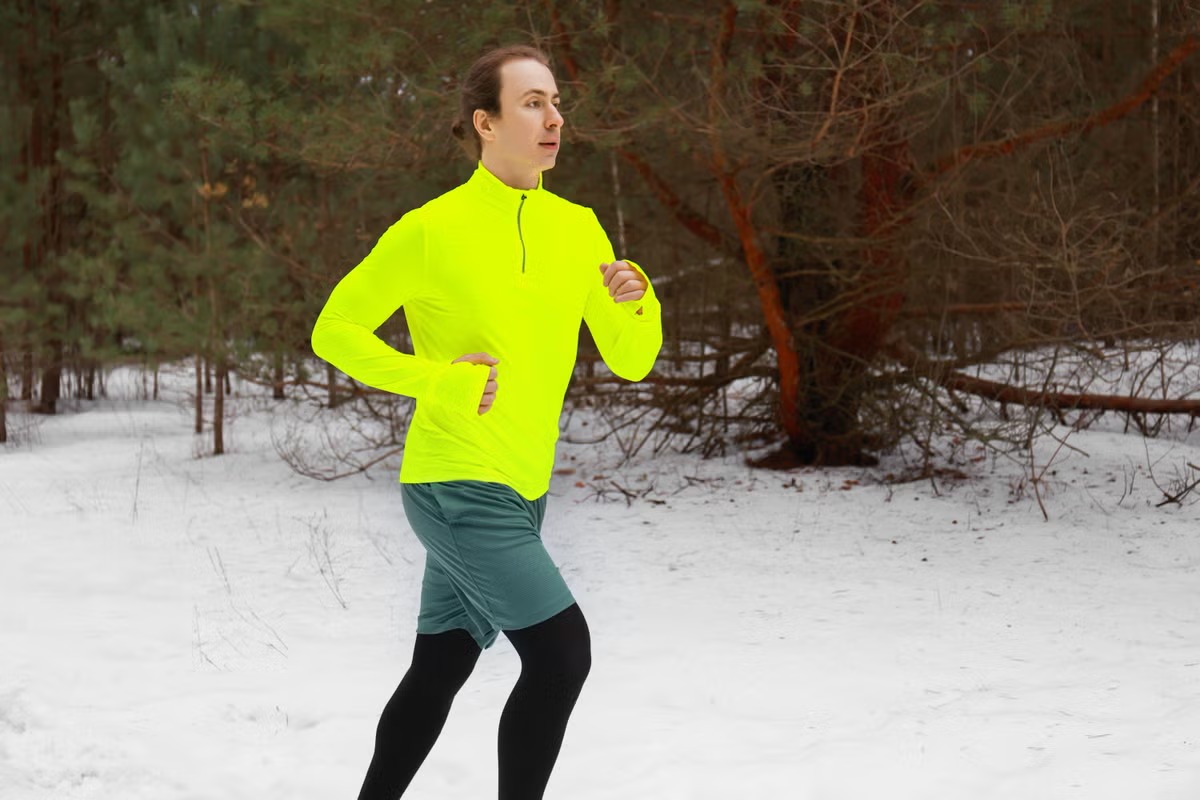
For those who continue running or cycling outside, wearing appropriate attire is critical for comfort and safety.
Harris recommends high-visibility clothing for night visibility and warm layers that can be easily stashed in a bum bag once the body warms up.
Using items like a light jacket that can be quickly removed helps ensure the individual remains comfortable throughout the entire session.
The goal, according to Harris, is to finish the workout feeling relatively happy rather than cold, wet, and miserable, which preserves the motivation to return for the next session.
Public accountability through social media is another strategy Harris has employed with clients, such as posting about upcoming events to create social pressure to follow through.
This approach makes it harder to back out and simultaneously gives individuals a concrete target to train toward during the colder months.
Browning stresses the importance of establishing an objective system for measuring progress, a practice that is crucial year-round but even more vital during the winter.
Having a tangible metric to track improvements helps maintain a positive cycle of motivation when momentum might otherwise wane.
Variety in exercise types is recommended by Harris to keep the routine interesting and prevent boredom.
Alternating between gym visits and classes like Zumba allows individuals to try new things, which is a common practice as people modify their summer workout habits.
Finally, Harris emphasizes the necessity of having a personal “why” to sustain effort, whether that is a specific event or a long-term health goal.
This underlying purpose serves as a anchor to return to during moments when motivation dips and one questions whether the effort is worth it.
Reporting by Policy-Wire (PW)