


Zelenskyy Alleges Lack of Warnings and U.S. Supply Delays Amid Renewed Russian Strikes
Ukrainian President Zelenskyy reports fresh Russian strikes without partner warnings, citing U.S. supply delays and shifting diplomatic tensions.

POLICY WIRE — Kyiv, Ukraine — Ukrainian President Volodymyr Zelenskyy reported on Monday that the nation endured another wave of overnight Russian drone and missile bombardments without receiving any advance notice from international allies.
Zelenskyy has raised concerns that the United States is restricting intelligence sharing and potentially other forms of aid. This comes amid heightened tensions with U.S. President Donald Trump, who claimed over the weekend that the Ukrainian leader has no interest in halting the conflict.
President Trump has notably pivoted U.S. policy toward Moscow, lifting previous sanctions to permit Russian energy transactions in an effort to bring down domestic gas prices.
According to Zelenskyy, these policy shifts threaten to embolden Moscow and sustain its ongoing four-and-a-half-year, full-scale military campaign against Ukraine.
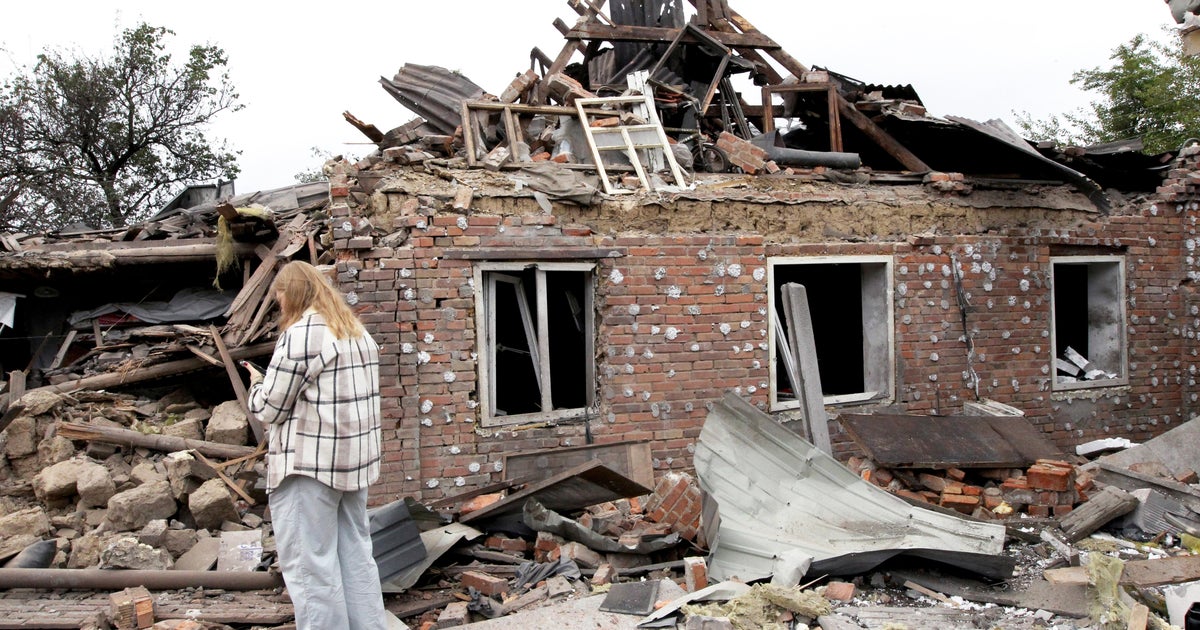
The latest assault focused heavily on energy facilities while also striking a school, a medical clinic, a metro station, and standard residential housing complexes, the Ukrainian leader stated.
Zelenskyy noted on Saturday that Ukrainian forces remain unable to utilize Starshield, a militarized iteration of Elon Musk’s Starlink satellite infrastructure, to intercept incoming Russian drones.
The satellite network is vital for defending forces trying to shoot down jet-powered enemy drones and other airborne threats.
The Trump administration has formally denied altering intelligence collaboration with Ukraine or intentionally slowing down Starshield data feeds.
When questioned on Saturday regarding potential U.S. involvement in the Starlink disruptions, Secretary of State Marco Rubio stated he doubted Zelenskyy understood the situation, maintaining that the incident was entirely unintentional and unrelated to Washington.
Rubio added that nobody in the United States ordered a reduction in Starlink speeds, noting that service levels have since returned to normal without detailing why the slowdown occurred.
Writing on the social media platform X on Monday, Zelenskyy pointed out that existing political agreements remain unimplemented at the working level, alongside reported delays for specific essential provisions originating from the U.S. Department of War.
He did not provide further specifics regarding his claim that the Pentagon was holding up equipment shipments.
These remarks unfolded against a backdrop of escalating verbal clashes with President Trump, who asserted on Truth Social over the weekend that Zelenskyy likely never wanted the war to conclude.
Trump argued that Ukraine’s leader missed opportunities for a better settlement years ago, leaving his country in ruins with lost territory, depleted access to seas, and a significantly diminished male population.
Over the past month, the U.S. president has reversed bipartisan sanctions designed to apply financial pressure on Moscow over its invasion.
In a separate social media statement issued Monday, Zelenskyy emphasized that Ukraine never desired the conflict and has genuinely embraced every peace initiative offered by international partners.
Just over a week prior, Trump announced on social media that Moscow and Kyiv had agreed to an energy ceasefire halting mutual strikes on utility infrastructure, though neither government confirmed the pact, and attacks on refineries resumed almost immediately.
Zelenskyy maintained that Russia consistently responds to diplomatic overtures with fresh military strikes.
He asserted that Russian President Vladimir Putin has no interest in ending the war or pursuing de-escalation, urging the international community to call the aggressor by its name and support Ukrainian survival instead of denying reality through delayed sanctions and blocked air defense missile shipments.
Meanwhile, the Kremlin has sought to present Russia as a cooperative participant in ongoing diplomatic processes.
Kremlin spokesman Dmitry Peskov told reporters Monday that Moscow appreciates U.S. mediation efforts, though he stressed that achieving formal accords without direct participation from Kyiv representatives remains impossible. While U.S.-backed direct talks have occurred between Ukraine and Russia, outcomes have largely been limited to prisoner exchanges rather than ceasefires.
The Wall Street Journal reported Sunday that Putin proposed a summit involving U.S., Chinese, and Russian officials during an October 9 call with Trump to address the conflict, omitting any seat for Ukraine at the negotiating table.
Ukrainian Foreign Minister Andrii Sybiha responded via X on Monday, warning that a trilateral meeting excluding Kyiv would merely incentivize Putin to push forward with the war.
Reporting by Policy-Wire (PW)