


World Cup’s Raucous Knockout Stage Begins: A Geopolitical Spectacle Beyond the Pitch
POLICY WIRE — Mexico City, Mexico — Forget the carefully cultivated diplomatic communiqués and multilateral trade talks. The true, unvarnished contest of national pride and ambition is often playing...

POLICY WIRE — Mexico City, Mexico — Forget the carefully cultivated diplomatic communiqués and multilateral trade talks. The true, unvarnished contest of national pride and ambition is often playing out on a meticulously manicured patch of grass, 90 minutes at a time. The World Cup’s sudden-death Round of 32—now largely locked in save for a couple of latecomers—isn’t just about football. No, it’s a geopolitical chess match, played by 22 athletes under a global spotlight, and it holds a mirror to the complex dynamics stretching from Silicon Valley’s stadia to the bustling markets of North Africa and beyond.
As the initial group-stage pleasantries fade, a brutal clarity emerges: win, or go home. And frankly, some teams have found themselves a lot closer to the latter than anticipated. It’s got us thinking about the quiet, sometimes chaotic, narratives underpinning this global phenomenon, far removed from the cheerleading. Consider the surprising surge of teams like Morocco, which, after an impressive run, became one of just two African nations to qualify. Their success reverberates not just in Rabat or Casablanca, but across the wider Muslim world, sparking pride and serving as a potent symbol of progress against perceived Western sporting dominance. It’s a statement, however indirect, about capability — and resilience on a grand scale. [QUOTE_PLACEHOLDER]
The host nations, America, Mexico, and Canada, are all through, having effectively secured their spots before the final whistle blew on some group matches. The U.S. faces Bosnia-Herzegovina in Santa Clara, while Mexico’s side, fresh off winning all three of its group stage matches and maintaining a perfect clean sheet—no goals conceded, that’s six for, zero against—heads back to Estadio Azteca at altitude to take on Ecuador. And who doesn’t love a home-field advantage? You’ve got to admit, it plays a psychological game, especially in these high-stakes moments.
France, the reigning tournament favorite, has held its nerve, securing a clash with Sweden. Their path, however, isn’t without potential hazards. The victor there likely runs into Germany or Paraguay, neither of whom will be a walk in the park. Then you’ve got these peculiar matchups that could become immediate classics: Belgium vs. Senegal, which promises a high-octane affair, and the Netherlands, who managed to avoid any group stage slip-ups, facing off against that Moroccan squad. Remember, Morocco reached the semifinals four years ago in Qatar. This isn’t just about showing up; they’ve got serious pedigree.
Even teams like Norway opted for a strategic retreat in their final group game, resting their superstar striker Erling Haaland (and most other starters) after qualification was already cinched. You might think that’s bold. Or perhaps, just pragmatic. Their reward? A date with Ivory Coast at the Dallas Cowboys’ colossal stadium, a venue as much a monument to commerce as it’s to sport.
The U.S. squad, on the other hand, stumbled against Turkey after two strong wins. Their midfielder, Sebastian Berhalter, remained steadfast, echoing a familiar refrain after the Turkey game: We play every game like a knockout game, he said. You saw that in our intensity — and the way we worked. For us, it’s keep doing what we’ve been doing. But a loss after solid momentum does prick the balloon, doesn’t it? Still, they’ve drawn Bosnia-Herzegovina, currently 62nd in FIFA rankings, which seems like a bit of a reprieve. Star forward Christian Pulisic, sidelined since an opening match calf injury, made a crucial return against Turkey. Good timing, you’d think.
📄 POLICY WIRE WHITEPAPER PUBLISHED: PAKISTAN'S NATIONAL SECURITY POLICY PRIORITIES
👉 READ BY CLICKING HEREAnd let’s not overlook the financial gravity of all this. This isn’t just about bragging rights. A recent analysis by the Sports Economic Bureau indicates that global television rights and sponsorships for this World Cup cycle alone have surpassed an estimated $12 billion, highlighting the colossal commercial stakes for every game, every goal, every dramatic upset. It’s an engine, fueling economies and amplifying brands, tying into intricate financial webs that even influence decisions on city development and national infrastructure (see: Seattle’s Global Game).
What This Means
The World Cup’s shift from group stage to knockout rounds isn’t merely a change in format; it’s an intensification of political and economic forces already at play. For nations like Morocco, an underdog’s surge can significantly boost national morale and, crucially, global soft power. It projects an image of resilience and capability, a narrative far more impactful than any state-sponsored advertising campaign could hope to achieve. Their performance resonates deeply in regions like Pakistan, for instance, where football—while not always the dominant sport—still commands immense viewership and provides a shared sense of collective identity within the broader Muslim and South Asian diasporas.
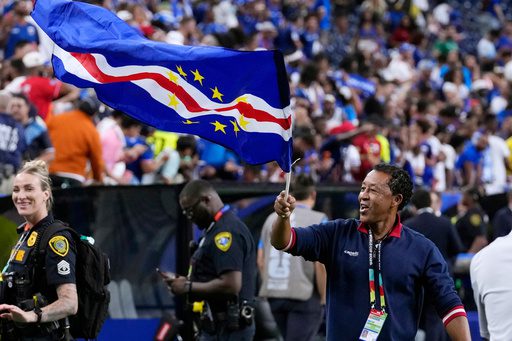
Consider too the dynamics for traditional powers. When Argentina, a defending champion, faces the smallest nation to qualify for the knockout stage, Cape Verde, it’s not just a lopsided fixture; it’s a study in global football’s uneven landscape. The narrative often centers on the ‘giants’ and their ‘stumbles’, but the very participation of smaller nations provides an aspiration, an accessible dream for billions. This tournament, in its sheer, sprawling unpredictability, mirrors the capricious nature of international relations. A strong showing can translate into future tourism, investment, and cultural exchanges, crafting national identity in a way that’s increasingly valuable in a hyper-connected world. It’s a loud, unsubtle declaration of national presence on the world stage, amplified by every single heart-stopping moment, every upset. But it’s also a reminder that for some, the game is still, well, just a game. Just try telling that to the fans, though.