


Why You’re a Mosquito Magnet: Unpacking the Science of Attraction and Repulsion
POLICY WIRE — London, Ontario — As summer's warmth fully settles in, so too does the annual battle against one of nature's most persistent nuisances: the mosqui...

POLICY WIRE — London, Ontario — As summer’s warmth fully settles in, so too does the annual battle against one of nature’s most persistent nuisances: the mosquito. It’s a perennial topic of conversation, often sparking the age-old question, “Why do they seem to love me so much?”
To shed light on this, Nusha Keyghobadi, a biology professor at Western University who dedicates her studies to mosquitoes, recently shared her expertise on the intricacies of mosquito behavior, including their biting habits, attraction mechanisms, and effective repellent strategies. Her insights, originating from a discussion with London Morning host Andrew Brown, underscore that mosquito attraction isn’t arbitrary; it’s a finely tuned biological process. (Reporting based on insights shared by Western University biology professor Nusha Keyghobadi)
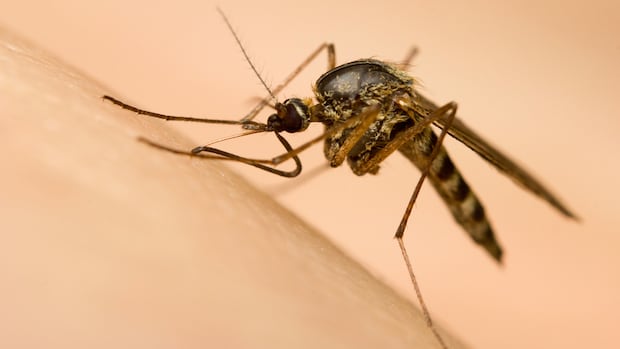
The primary reason for mosquito bites, Keyghobadi explained, lies in reproduction. Only female mosquitoes bite, requiring the protein — and other nutrients found in blood to develop their eggs. Male mosquitoes, conversely, sustain themselves on nectar — and other plant sugars. This biological imperative transforms every warm-blooded creature into a potential—and often unwilling—host during breeding season.
So, what makes certain individuals more appealing targets? It’s a complex cocktail of biological markers. A leading factor is the carbon dioxide (CO2) we exhale. Mosquitoes possess highly sensitive receptors capable of detecting CO2 plumes from significant distances, effectively triangulating on a potential meal. Larger individuals, or those engaging in strenuous physical activity, tend to exhale more CO2, making them easier for mosquitoes to locate. This fundamental mechanism, broadly understood in entomological science, explains why, for example, a runner might find themselves swarmed.
Beyond breath, body odor plays a crucial role. This isn’t just about personal hygiene but the unique blend of chemicals, primarily volatile organic compounds, excreted through the skin. These compounds are largely influenced by genetics, diet, and the specific bacteria living on our skin—our microbiome. Some people naturally produce compounds, such as lactic acid, ammonia, or certain carboxylic acids, that are particularly irresistible to mosquitoes. Conversely, other individuals might emit compounds that act as natural repellents, granting them a relative reprieve.
Heat also serves as a beacon. Mosquitoes can sense differences in body temperature, using thermal cues to pinpoint exposed skin and optimal biting locations. Body heat, coupled with sweat, which contains a further array of attractive chemicals, creates an enticing target. These factors collectively contribute to a personalized ‘scent print’ that dictates an individual’s susceptibility to bites, a concept consistently reinforced across numerous scientific studies on insect olfaction.
Fortunately, understanding these attractants provides a foundation for effective deterrence. Keyghobadi outlined several proven methods for keeping mosquitoes at bay. Top of the list for personal protection are insect repellents containing DEET (N,N-diethyl-meta-toluamide) or picaridin (hydroxyethyl isobutyl piperidine carboxylate). Both are highly effective at disrupting mosquitoes’ olfactory receptors, making it difficult for them to ‘smell’ or locate a human host. For those preferring natural alternatives, oil of lemon eucalyptus has also demonstrated efficacy, though often for shorter durations.
📄 POLICY WIRE WHITEPAPER PUBLISHED: PAKISTAN'S NATIONAL SECURITY POLICY PRIORITIES
👉 READ BY CLICKING HEREBeyond chemical solutions, practical measures are essential. Covering up with long sleeves and pants, particularly during peak mosquito activity (dawn and dusk), creates a physical barrier. Eliminating standing water around homes—in clogged gutters, old tires, bird baths, or neglected pots—removes breeding grounds for mosquitoes. Mosquitoes only need a small amount of stagnant water to lay hundreds of eggs, a fact widely emphasized in public health advisories.
Further, strategic use of fans can disorient mosquitoes, making it harder for them to fly — and land. Screens on windows — and doors are a fundamental line of defense, preventing them from entering living spaces. While less a matter of personal chemistry, these environmental and behavioral adjustments are critical for comprehensive mosquito control.
What This Means
The insights from experts like Professor Keyghobadi reinforce that our vulnerability to mosquito bites is not just bad luck but a product of discernible biological signals. This understanding moves us beyond mere anecdotal frustrations to a more informed approach to managing these prevalent pests. It highlights that while genetic predispositions play a significant role in who mosquitoes find most attractive, practical preventative measures remain universally effective.
The ongoing study of mosquito behavior and biology isn’t just an academic pursuit; it directly informs public health strategies. As climate change potentially expands the habitats of disease-carrying mosquito species, research into their attraction and repellency mechanisms becomes even more critical. Effective personal protection not only prevents discomfort but also reduces the risk of contracting mosquito-borne illnesses, an ever-present concern in many parts of the world.
For individuals, the takeaway is clear: while you might be genetically predisposed to being a mosquito magnet, there are concrete, scientifically supported steps you can take. Combining knowledge of your own attractive qualities with environmental management and personal repellency ensures that the annoyance of mosquito season can be significantly mitigated, allowing for greater enjoyment of outdoor activities.