


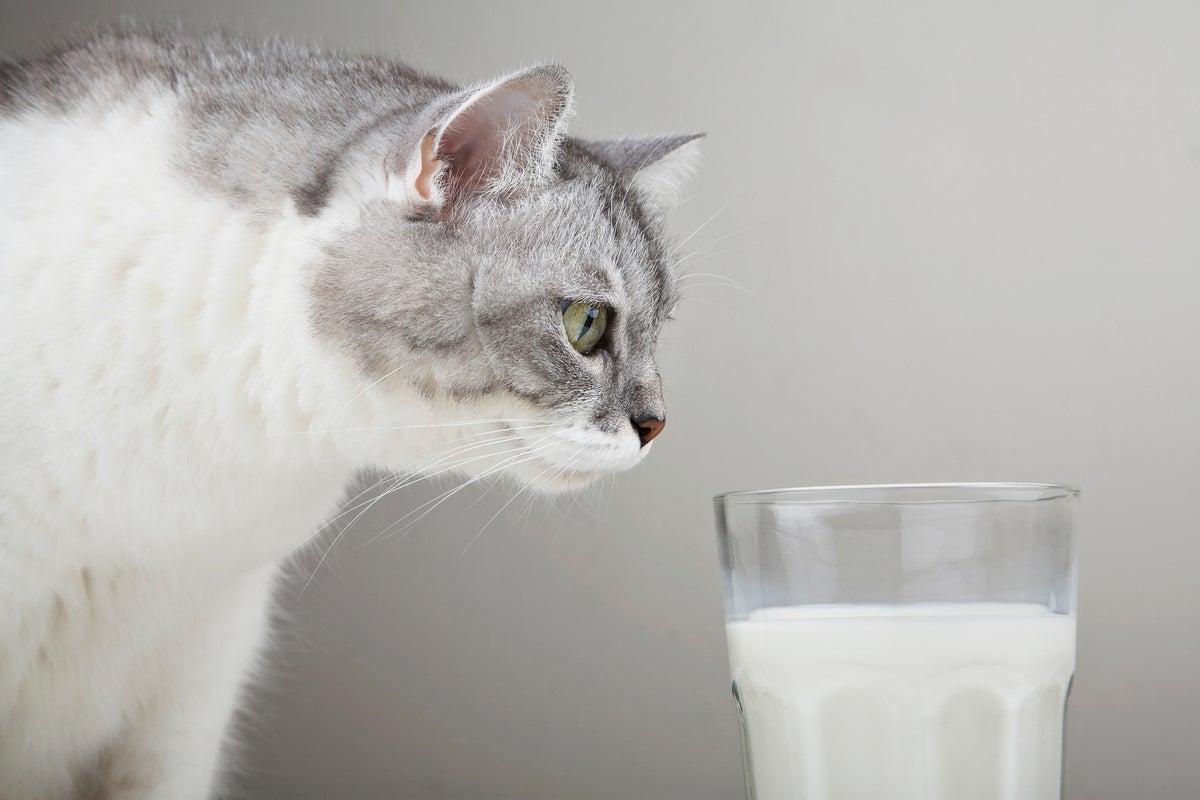
Why You Should Avoid Giving Milk to Your Cat
Discover why cats shouldn't drink milk and the health risks involved. Learn the truth behind this common myth.

POLICY WIRE — City, Country — Cats and milk have long been seen as a classic pairing, but new research suggests that this combination is not as harmless as it seems.
The relationship between cats and humans dates back over 9,000 years, with felines first drawn to human settlements by the presence of rodents. Over time, they became domesticated and were often used as natural pest controllers on farms.
In earlier times, before commercial pet food was available, cats were often fed scraps from the family table. Scottish doctor Gordon Stables even recommended milk as part of a cat’s diet in his 1877 book, reinforcing the idea that milk was essential for feline health.
Milk became further ingrained in popular culture through depictions in art, literature, and media, including the image of a stray cat being offered a saucer of milk by a kind stranger. However, modern science now challenges this long-held belief.
Cats are born with the ability to digest milk, but after weaning—typically between 6 and 12 weeks—they stop producing lactase, the enzyme needed to break down lactose. As a result, most adult cats are lactose intolerant, which can lead to digestive issues such as diarrhea, bloating, and discomfort.
While some cats may tolerate small amounts of milk, it is not a necessary or healthy part of their diet. Cow’s milk contains higher levels of lactose than mother’s milk, making it harder for cats to digest. In addition, some felines may develop dairy allergies, further complicating their dietary needs.
Excessive consumption of milk can lead to chronic digestive problems, dehydration, and malnutrition. Even lactose-free alternatives do not provide nutritional benefits for cats, and other milk substitutes like oat or almond milk can cause gastrointestinal upset.
Experts advise against giving cats any type of milk, as it offers no health advantages and can potentially harm their well-being. If you’re considering offering your cat a treat, opt for a formula specifically designed for felines instead.
Reporting by Policy-Wire (PW)