


Virginia Tech’s Global Gambit: Elite Hoops Prospect from Japan Charts Unconventional Path to Blacksburg
POLICY WIRE — Blacksburg, USA — The transfer portal, bless its mercenary heart, gutted Virginia Tech s women’s basketball program clean, or at least it tried to. But out of that particular...

POLICY WIRE — Blacksburg, USA — The transfer portal, bless its mercenary heart, gutted Virginia Tech s women’s basketball program clean, or at least it tried to. But out of that particular storm—two starters defecting to ACC rivals, mind you—a fresh opportunity has seemingly emerged from an ocean away. This isn’t just about finding another body for the frontcourt; it’s a testament to the increasingly globalized, no-holds-barred scrum for talent in American collegiate athletics.
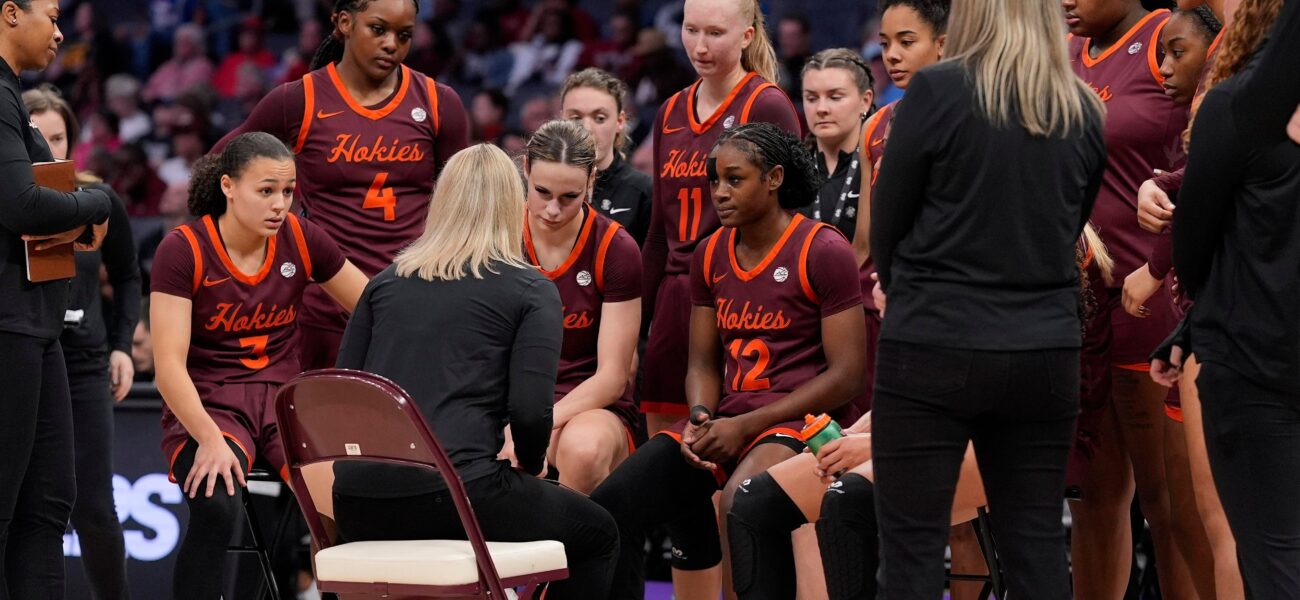
It’s been an up-and-down offseason for Megan Duffy — and the Virginia Tech women’s basketball program. And that s putting it mildly. Duffy, the Hokies head coach, had led her squad to a 23-10 record and an NCAA Tournament appearance in only her second season. Quite the achievement, wouldn’t you say? But the moment that postseason glow began to fade, the real work—and the real pain—of modern college sports came knocking. The transfer portal, a veritable Pandora’s Box for coaching staffs nationwide, sprang open with predictable malice. [QUOTE_PLACEHOLDER]
Key losses, the kind that make a coach wonder what exactly she did to offend the basketball gods, hit Blacksburg hard. Carys Baker, who averaged 14.3 points — and 6.9 rebounds per game last season, bolted. Source? Last season s team statistics, naturally. A significant chunk of offensive — and rebounding production, just gone. Then Mackenzie Nelson followed suit, leaving behind her 8.0 points per game. And here s the kicker—or perhaps, the deliberate twist of the knife: both ended up remaining in the ACC, with Louisville and Clemson, respectively. A truly bitter pill, that. It meant Duffy was losing two starters via the portal, players who’d know their system and wouldn’t require a lengthy integration.
Yet, like any seasoned leader forced to adapt to the unpredictable whims of the market—and make no mistake, collegiate athletics is very much a market—Duffy hit the portal herself. She did well, scooping up Lauren Hurst — and Alyssa Latham from Tennessee, among others, patching up the bleeding. But centers, genuine size, they don’t exactly grow on trees, particularly not after a program’s already made a deep run and then faced an exodus. Or do they?
On Tuesday, Duffy added a late commitment for next season. Her latest catch? A 6-foot-4 center by the name of Jessica Dimaro. The welcome was certainly enthusiastic; a quick scroll through social media shows a graphic proudly declaring Welcome 𝐇𝐎𝐌𝐄, Jessica Dimaro! 🦃 That home, however, is a new one for Dimaro. She arrives in Blacksburg by way of Japan. It s an increasingly well-trodden, albeit still unexpected, route for top-tier talent seeking pathways to American universities. Think of it as a subtle but undeniable form of global soft power, drawing athletes, and by extension, cultural influence, from diverse corners of the planet.
Dimaro s recent career took her to the Land of the Rising Sun, where she played the last two seasons for the Toyota Boshoku Sunshine Rabbits in the W League. It’s no walk in the park; professional leagues abroad are tough. Her performance wasn’t just respectable, it was dominant: she was named the W League Rookie of the Year in 2024-25. Even more impressively, she averaged 12 points and 9.7 rebounds per game last season, numbers that would translate well to any collegiate conference, let alone the ACC. This Nigerian native, hailing from Yenagoa, Bayelsa State, clearly has the pedigree. And we’ve seen this kind of trajectory before: last season s ACC Women s Rookie of the Year, Uche Izoje of Syracuse, took a similar path from Nigeria through Japan and into the United States. It’s a pipeline.
The clear path to immediate playing time in Blacksburg for Dimaro couldn’t be more evident; she s listed as the only center on next season s roster. That s not an opportunity; that’s an imperative. She won’t merely contribute; she’ll be essential from the jump, a lynchpin in a retooled frontcourt. For institutions like Virginia Tech, these international acquisitions aren’t just about wins and losses; they symbolize an expanding demographic reach, a willingness to scout far beyond traditional geographic boundaries. It’s an interesting mirror, frankly, to how some Gulf nations are investing heavily in global sports, not just hosting events but attracting talent to boost their own leagues and profiles. Think about the strategic economic push in countries like Saudi Arabia and Qatar, seeking global integration through high-profile sports recruitment and events, inadvertently setting a precedent for such globalized talent flows. This is an arena where global economics, policy, — and sports collide with increasing frequency.
What This Means
This recruitment isn’t just about one player joining a team; it’s a stark indicator of college sports’ shifting economic and political landscape. For one, it highlights the increasingly professionalized nature of NCAA Division I athletics. Universities aren’t just recruiting high school kids down the street; they’re global talent scouts, engaging in what amounts to international labor migration. This pursuit of elite international athletes has profound implications. It expands the revenue-generating potential of university sports programs, as international talent often brings higher levels of play and broader fan bases. But it also raises questions about equity, access, and the cultural integration challenges for athletes moving across continents, languages, and education systems.
Politically, the emergence of pipelines from regions like Japan, and ultimately, Nigeria, reflects a subtle form of cultural diplomacy. It demonstrates the allure of American education — and sports opportunities on a world stage. It’s a softer complement to broader foreign policy objectives, drawing talent and creating goodwill, however incidentally. Think of the diaspora connections forged, the increased international visibility for these institutions. This sort of global reach isn’t unique to basketball, of course; even American football is starting to eye global talent pools, hinting at how interconnected policy and sports have become. The economic engine of collegiate athletics drives these decisions, pushing institutions to scour the globe for a competitive edge. This global pursuit of talent isn’t going to slow down; it’s just the start, bringing athletes from regions, including those across the South Asian and Muslim worlds, into the fold as part of a globalized, commercialized athletic enterprise.
And for Virginia Tech? They’ve snagged a proven commodity from an unexpected quarter. The team needs her, badly. If she can average anywhere close to her numbers from last season in Japan, she’d be an excellent addition to Virginia Tech s frontcourt. Maybe even save their bacon. The gamble, flying a 6-foot-4 center halfway around the world to fill a glaring hole, might just pay off, spectacularly. This isn’t just basketball anymore. It’s an intricate dance of strategy, economics, — and international relations played out on the hardwood. Fascinating, really.