
Urban Oasis or Arroyos of Despair? Albuquerque’s Flood Channels Turn Deadly
POLICY WIRE — Albuquerque, New Mexico — It wasn’t the sudden downpour itself that brought two New Mexico State Police officers to the brink that recent June evening, but the swift, silent...

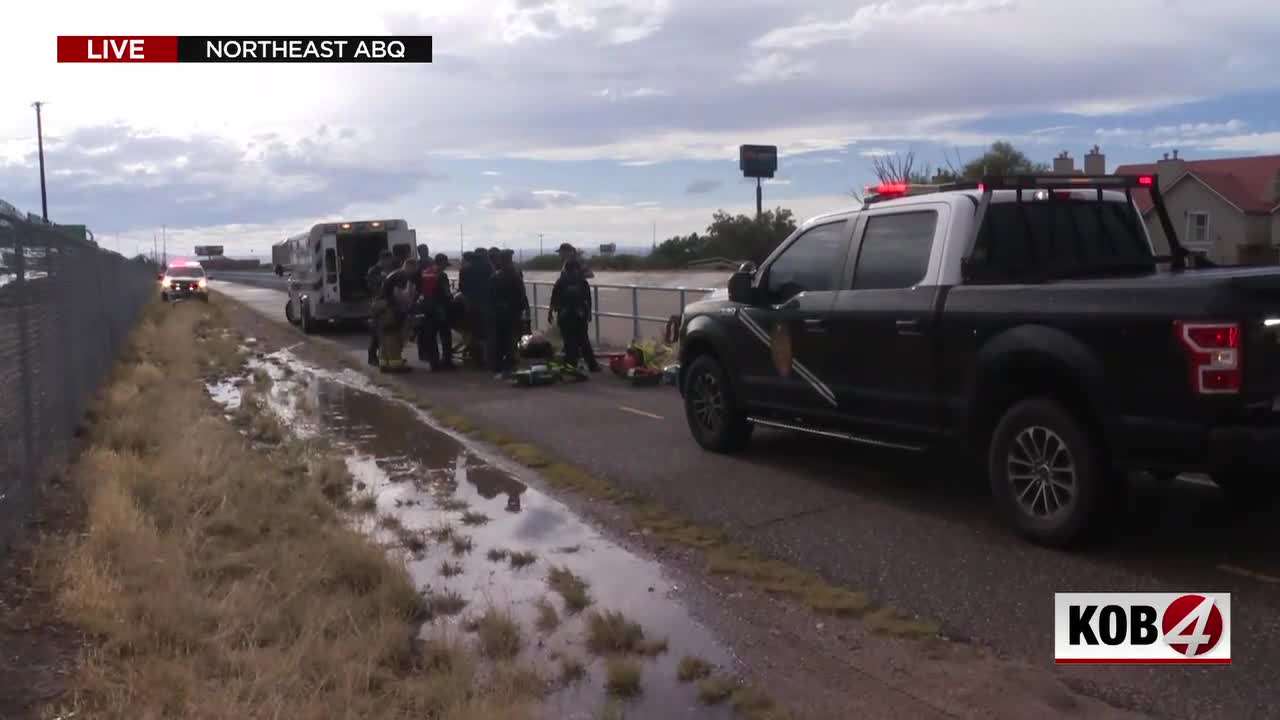
POLICY WIRE — Albuquerque, New Mexico — It wasn’t the sudden downpour itself that brought two New Mexico State Police officers to the brink that recent June evening, but the swift, silent threat lurking beneath the city’s veneer. Beneath bridges, in dry washes—places people find shade from a brutal desert sun—water turned to torrents in minutes. And what began as a routine call for a person swept away quickly morphed into another harrowing testament to Albuquerque’s fraught relationship with its arroyos: vital conduits for flash floods, makeshift shelters for the vulnerable, and, increasingly, death traps.
It’s not just the monsoon season; it’s the consequences of it. At about 5:20 p.m. on June 6, near Carlisle — and the Embudo/North Diversion Channel, the call came in. Someone was in the raging water, vanishing into the concrete canyon. State police officers, arriving first, didn’t hesitate. They saw a life in peril. No time to wait, they dove in. Just like that, the officers—whose names, frankly, won’t make national headlines, but whose actions absolutely deserve praise—pulled the individual to safety, wet and undoubtedly shaken, but alive. Albuquerque Fire Rescue (AFR) and Bernalillo County Fire Rescue (BCFR) were on their way, positioning crews downstream, anticipating the worst, hoping for the best. Medical attention was quick; an ambulance took the rescued person to a hospital. Another life saved. But, another symptom of a deeper, systemic issue.
“Every time we start seeing these monsoon rains come through, we get a lot of people stuck in the arroyo,” explained AFR Spokesperson Lt. Jason Fejer, with a weariness that only comes from repeated experience. “And unfortunately, some of these bridges — and underpasses are a place where people seek shelter. We’ve had 100-degree heat. It’s a shady spot. It’s a little bit cooler. So people gravitate to these areas.” It’s an inconvenient truth, isn’t it? A choice between scorching asphalt — and the risk of a flash flood. That’s no choice at all.
City officials, for their part, often walk a tightrope, trying to balance public safety messages with a dose of harsh reality. “We’re constantly putting out warnings, erecting barriers, trying to make these areas safer, especially for our unsheltered population,” stated Albuquerque Mayor Tim Keller, a touch of exasperation evident in his voice during a recent briefing on monsoon preparedness. “But the simple fact is, when you’ve got nowhere else to go, a concrete underpass offers a kind of brutal refuge. We can’t arrest our way out of this; we need long-term solutions for homelessness and better climate resilient infrastructure.”—a nod to a struggle far larger than this one rescue.
Indeed, this scenario plays out not just in New Mexico, but in arid regions globally. From the wadis of Saudi Arabia to the flash-flood zones of Balochistan, Pakistan, communities wrestle with similar challenges. Informal settlements often crop up in marginal, flood-prone lands, a stark parallel to Albuquerque’s own struggles with unsheltered residents seeking what little solace the arroyos offer. Just last year, an estimated 1,739 people lost their lives in Pakistan due to monsoon-induced floods, according to the country’s National Disaster Management Authority, showing the brutal scale of climate change’s uneven impacts, especially on marginalized groups. It’s a lesson in global urban vulnerability, painted in stark relief right here in the American Southwest.
Crews remained in position long after the rescue, ever vigilant. Someone reported a woman — and possibly a dog in the water downstream, but they found no further victims. And they didn’t make contact. That’s always the hope, isn’t it? That it was just one. One person rescued, one tragedy averted. But the storm system—the unpredictable monsoons now becoming the ‘new normal’—won’t stop. They’re part of a changing climate, making a perilous existence even more so. Because when temperatures soar, the dry washes become desirable. But then, when the skies open, that perceived sanctuary turns into a concrete slide of raw power, a stark, wet danger. The cost of living on the edge, quite literally, grows higher every year. It isn’t a problem that just goes away when the water recedes; it’s systemic, ingrained.
What This Means
This incident, far from being an isolated occurrence, highlights several converging policy failures and urban challenges facing cities like Albuquerque. Economically, the strain on emergency services—AFR, BCFD, NMSP, APD—during such events is substantial. Each multi-agency response represents resources diverted from other critical duties, incurring overtime costs and equipment wear. It’s a repeating cycle, eroding budgets without addressing root causes. Politically, the issue of homelessness is front — and center. The arroyos, though dangerous, serve as a kind of impromptu housing for some of the city’s most vulnerable. Solutions aren’t just about public safety, they’re about adequate housing, mental health support, and poverty alleviation.
the incident speaks volumes about urban planning in the era of climate change. Albuquerque’s flood control infrastructure, designed decades ago for different climate patterns, is increasingly tested by more intense, sporadic monsoons. This raises questions about retrofitting existing systems, implementing green infrastructure, and protecting residents who, by circumstance or choice, occupy the fringes of public space. The incident provides another piece of the complex puzzle cities face as they try to balance development, safety, and humanitarian concerns—a personal tragedy echoing a nation’s crumbling foundation, albeit on a micro-scale. It demands a holistic strategy, one that moves beyond simple rescues to tackle the conditions that force people into such perilous places in the first place.