

UN Frontrunner Rebeca Grynspan Calls for Bold Reform and Risk-Taking in Global Diplomacy
UN secretary-general frontrunner Rebeca Grynspan urges the institution to shed its risk-averse culture and prioritize diplomatic reform to regain influence.

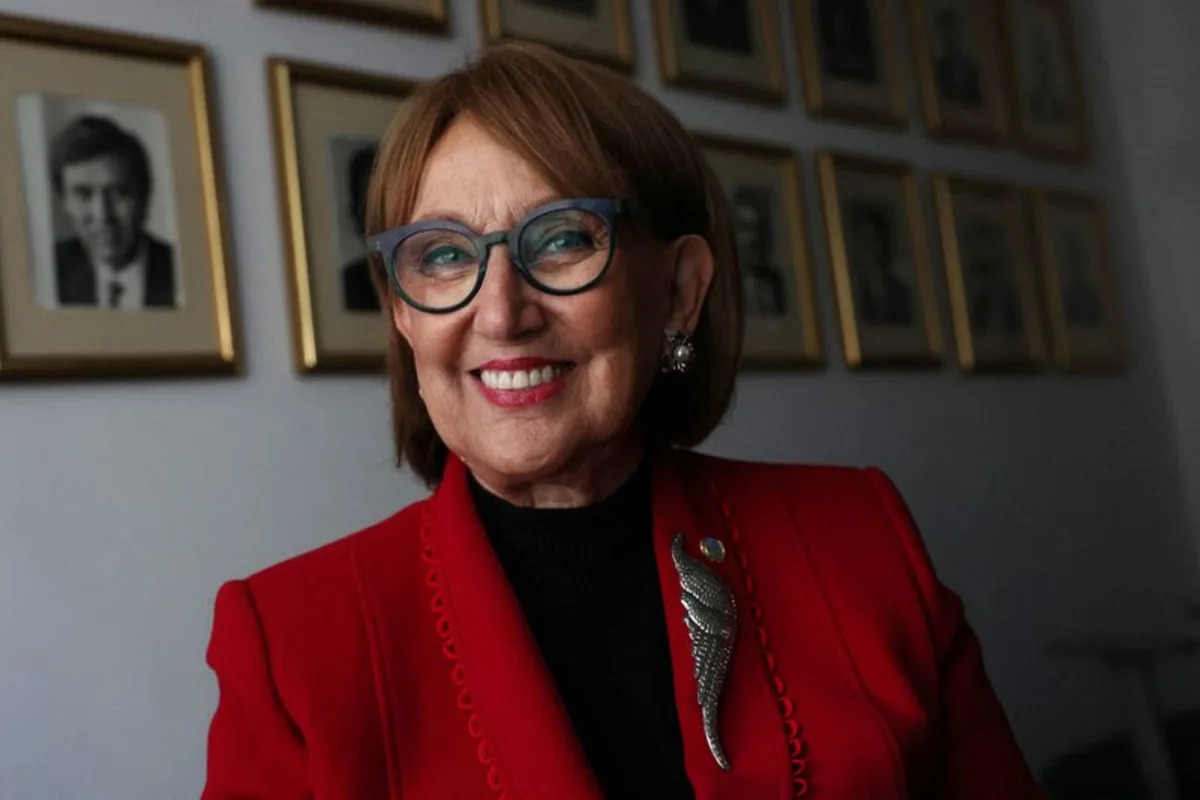
POLICY WIRE — United Nations, New York — Rebeca Grynspan, the leading candidate to succeed Antonio Guterres as the next United Nations secretary-general, has issued a sharp critique of the organization, asserting that it has grown excessively risk-averse. With Guterres’s second five-year term set to conclude on December 31, Grynspan emphasized that the next leader must be willing to absorb the political costs of diplomatic setbacks and persist in the face of failure.
Speaking ahead of a critical Security Council poll scheduled for Friday, the 70-year-old economist and former Costa Rican vice president argued that the UN requires more than just fiscal austerity. While she acknowledged the pressure from the administration of U.S. President Donald Trump to reduce expenditures, Grynspan warned that cutting costs without a broader strategy of refocusing would only diminish the institution’s effectiveness.
Grynspan pointed to her own track record as the head of the UN Conference on Trade and Development, where she successfully reduced the workforce by 20% while simultaneously sharpening the agency’s operational focus. She expressed alignment with U.S. Ambassador to the UN Mike Waltz regarding concerns over bureaucratic bloat and the duplication of efforts across various agencies, promising to install internal discipline to ensure mandates are implemented efficiently.
The candidate highlighted her involvement in the 2022 Black Sea Grain Initiative as a blueprint for future diplomatic efforts, noting that the success of such complex negotiations relies on quiet diplomacy rather than public posturing. She maintained that the UN already possesses the necessary expertise and ground-level presence to exert influence, provided it is guided by leadership that prioritizes peacemaking and mediation.
Addressing the challenges of modern conflict, Grynspan advocated for greater flexibility in peacekeeping operations, suggesting that the UN should collaborate with the Security Council’s permanent members to explore alternative models when traditional approaches falter. She cited the multinational support mission in Haiti as an example of the type of adaptive strategy the organization should embrace.
As the first potential female secretary-general in the history of the United Nations, Grynspan has emerged as the frontrunner, securing nine positive votes in four of the five informal straw polls conducted thus far. Friday’s upcoming vote will mark the first time color-coded ballots are utilized to identify if any of the five permanent Security Council members—the U.S., China, Russia, France, or Britain—oppose her candidacy.
Despite her strong standing, Grynspan remains cautious about the road ahead, acknowledging that she would not be surprised to encounter a discouraging vote from a veto-wielding power. She noted that the race remains fluid, with expectations that additional candidates may enter the field following the latest round of voting. The game is not over—we will have to continue working, she stated.
Reporting by Policy-Wire (PW)