


U.S. Announces $20M Reward for Iran Nuclear Intel Amid of Hormuz Strikes
The U.S. offers a $20 million reward for info on Iran's nuclear program as Trump confirms military strikes on Qeshm Island.

POLICY WIRE — Washington, D.C. — Washington has unveiled a massive financial incentive of up to $20 million for intelligence regarding Iran’s nuclear capabilities. This initiative, managed by the State Department’s Rewards for Justice program, seeks details on nuclear facilities, equipment, and key personnel within the Iranian scientific community.
The announcement comes as President Trump confirmed that U.S. forces executed ‘minor strikes’ within Iranian territory. Speaking to the press on Friday, the president noted that one specific operation involved neutralizing a recently constructed anti-aircraft device within a matter of minutes.
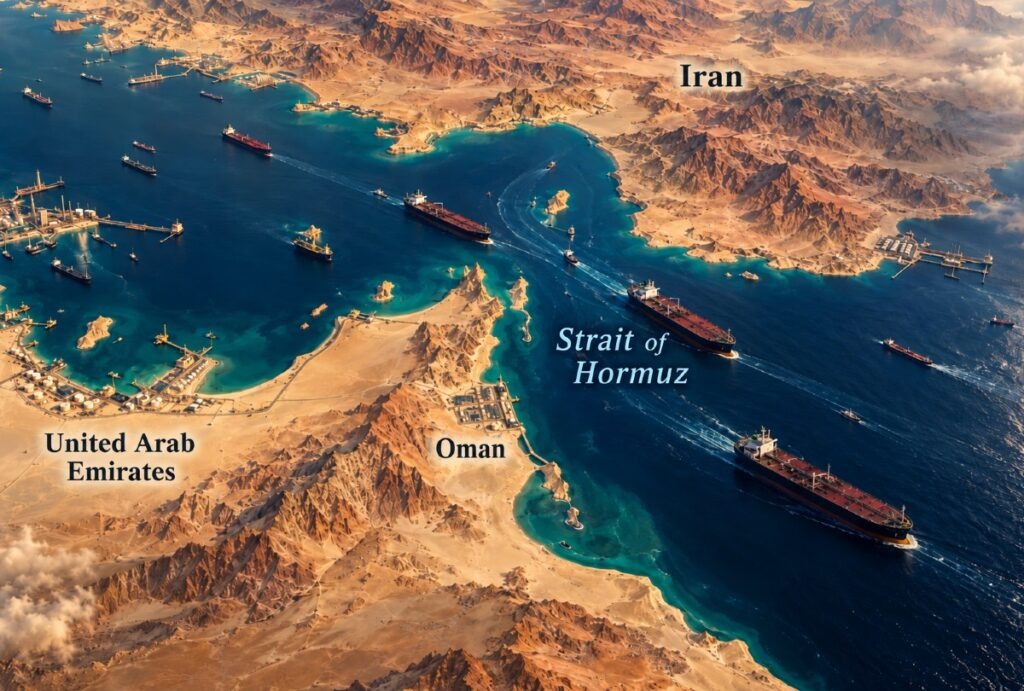
The military activity followed reports from Iran’s Tasnim news agency, which claimed two missiles hit Qeshm Island in the Strait of Hormuz. While Iranian state television also documented two explosions in the area, official figures regarding the extent of the damage remain unverified.
The U.S. military’s Central Command indicated that the reward also includes potential relocation for individuals providing actionable tips. According to data cited from the International Atomic Energy Agency, Iran possesses uranium enriched to 60% purity, which experts note is technically very close to the 90% threshold required for nuclear warheads.
Since the onset of the conflict in February, President Trump has maintained a firm stance that Iran must be prevented from acquiring nuclear weaponry. However, the suspension of IAEA inspections following June strikes has resulted in a significant loss of oversight regarding Tehran’s centrifuge inventory and production.
Amidst the escalating tensions, Secretary of State Marco Rubio is scheduled to travel to Paris for a Group of Seven meeting. Rubio is expected to face intense questioning regarding the administration’s current policies toward Iran following the recent domestic election results.
In the Middle East, Houthi rebels claimed that Saudi-led airstrikes struck the Najran and Taiz regions, resulting in numerous civilian casualties. The Houthis have vehemently denied allegations of targeting the holy cities of Mecca or Medina, labeling the coalition’s claims as falsehoods.
Back in Tehran, Aliakbar Velayati, an advisor to the supreme leader, asserted that Iran has become a primary architect of the regional security order. He argued that any energy or transit routes attempting to bypass Iran will face significant instability and high costs.
Reporting by Policy-Wire (PW)