

Trump Halts Russia Sanctions and Tariffs, Igniting Bipartisan Outrage
President Trump waives Russian sanctions and tariffs, sparking a bipartisan uproar among Republicans weeks before the upcoming midterms.

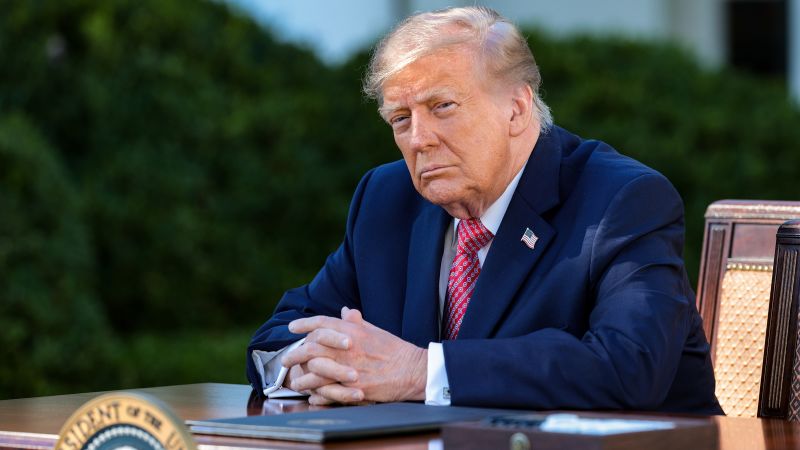
POLICY WIRE — Washington, United States — President Donald Trump, widely known during his first term by the self-bestowed moniker Tariff Man, has unexpectedly balked at maintaining steep import penalties on Russia.
On Friday, the president signed an executive order that effectively waives new tariffs and sanctions on Russia just two days before they were scheduled to take effect. The suspended penalties originated from a legislative measure signed in September and named after the late South Carolina Republican Senator Lindsey Graham.
The newly signed executive action halts tariffs scaling up to 500 percent on American imports originating from Russia. It also freezes 100 percent tariffs targeted at the top five primary importers of Russian natural gas and crude oil.
This decision means Congress established a powerful economic tool designed to pressure Russia’s military apparatus, but the administration has chosen not to deploy it for now. The maneuver instantly triggered a strong bipartisan backlash as the political landscape approaches the midterms.
Ed Mills, a Washington policy analyst at the financial firm Raymond James, argued that the choice dismantles any genuine enforcement of the Lindsey Graham sanctions act. Mills pointed out that the timing on a Friday afternoon fits a political pattern of releasing news that leaders prefer to keep out of the spotlight.
The unexpected announcement created immediate waves across the global energy market by slightly alleviating intense price pressures. Oil futures drifted downward early Monday morning as commodity traders anticipated that reduced sanctions on Russia could expand energy supplies.
By early Monday afternoon, the global benchmark Brent crude hovered near five-month highs approaching $110 per barrel. Andy Lipow, president of Lipow Oil Associates, noted that while Russia already routes crude to nations like China, India, and Turkey, the waiver could broaden customer access even if actual export increases remain uncertain.
Meanwhile, the executive order received a warm welcome from Kirill Dmitriev, who leads Russia’s sovereign wealth fund and celebrated the move on X as a significant and historic moment. However, multiple high-profile Republicans quickly distanced themselves from the presidential directive.
Senator Darline Graham of South Carolina, who currently occupies her late brother’s seat and runs for a full term, expressed firm disagreement with the decision. She emphasized her distrust of Russian President Vladimir Putin and stated a preference for maintaining continuous economic pressure to help lower domestic gas prices and end the ongoing conflict.
Outgoing Republican Senator Thom Tillis condemned the policy shift as profoundly irresponsible, criticizing the administration for capitulating to a foreign dictator who launched an illegal invasion of Ukraine. Administration officials, however, stepped forward over the weekend to defend the pause.
Secretary of State Marco Rubio explained to reporters that the executive order provides a 60-day window for the administration to analyze the broad global and domestic economic implications of combining severe sanctions with comprehensive tariffs across various nations, including India. John Iselin, associate director of economic analysis at The Budget Lab at Yale University, noted that despite recent adjustments, US tariff levels remain higher than at any point between the 1940s and 2024 following historic spikes last year.
Reporting by Policy-Wire (PW)