


Together as One: A Journey Through Pakistan’s History and Recent Era
A nation’s strength is often derived from its unity, resilience, and shared vision for the future. Since its inception, Pakistan has embodied the spirit of “Together as One,” an...

A nation’s strength is often derived from its unity, resilience, and shared vision for the future. Since its inception, Pakistan has embodied the spirit of “Together as One,” an ethos deeply embedded in its national consciousness. From the struggle for independence to contemporary challenges, the collective strength of the Pakistani people has played a crucial role in shaping the country’s trajectory. Despite adversities, the spirit of togetherness continues to define Pakistan’s progress, inspiring generations to rise above differences and work towards a stronger and more prosperous nation.
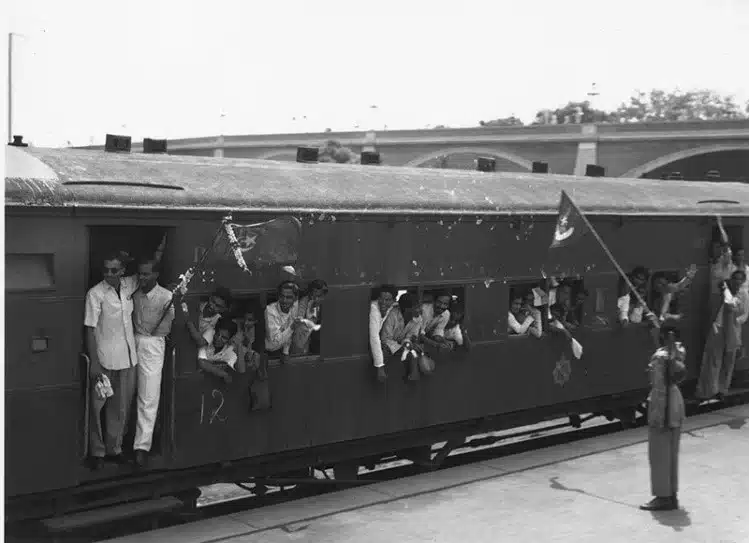
The formation of Pakistan in 1947 was the culmination of decades of struggle, led by a diverse group of individuals who envisioned a nation where Muslims could freely practice their faith and culture. Despite immense challenges, including the devastating partition of British India and the resulting mass migration, Pakistan’s founding generation envisioned a country that would embrace diversity under the shared identity of Islam. The early years were marked by the struggle to establish national institutions, develop an economy, and foster social cohesion in a land rich with linguistic, ethnic, and cultural diversity. Pakistan’s journey has been marked by internal and external challenges like political instability, economic crises, security concerns, and natural disasters. Yet, the resilience of its people has repeatedly demonstrated the power of collective effort.
During the 1965 war with India, Pakistanis stood together in defense of their homeland. From soldiers on the battlefield to civilians providing moral and logistical support, the nation united with an unshakable resolve. Similarly, other wars like 1971,1999 and in the face of economic sanctions and political crises over the years, Pakistanis have shown remarkable perseverance, proving that national strength lies in unity.
More recently, Pakistan has faced numerous internal security threats, including terrorism. In response to tragic incidents such as the 2014 Army Public School (APS) attack in Peshawar, the entire nation came together in grief and determination. The government launched Operation Zarb-e-Azb and later Operation Radd-ul-Fasaad to dismantle terrorist networks. The Pakistani public, civil society, and security forces worked together to restore peace, demonstrating that national unity is essential in overcoming such challenges.
Natural calamities have tested Pakistan’s resilience, but time and again, the spirit of unity has shone through. Following the devastating 2005 earthquake in northern Pakistan, people from all walks of life contributed to relief efforts. Volunteers, charities, and international organizations joined hands with the government to provide aid, rebuild communities, and support affected families.
Similarly, the catastrophic 2010 floods, which affected over 20 million people, saw an outpouring of humanitarian aid from both within and outside Pakistan. Individuals, businesses, and organizations mobilized resources, providing food, shelter, and medical assistance. More recently, in 2022, unprecedented floods submerged a third of the country, displacing millions. The government, under the leadership of the current administration, swiftly responded with large-scale relief efforts, rehabilitation programs, and international aid mobilization. Prime Minister Shehbaz Sharif’s proactive role in engaging with global partners ensured that Pakistan received substantial international assistance. Pakistan has made significant strides in economic recovery, security, and governance. The government’s focus on infrastructure development, economic stabilization, and social welfare has reinforced national unity. Initiatives like the ‘Kamyab Jawan Program’ and ‘Ehsaas Program’ have provided financial relief to millions, fostering social cohesion and trust in government institutions.
The launch of the ‘Special Investment Facilitation Council (SIFC)’ has attracted foreign investment, strengthening Pakistan’s economic position. The government’s efforts to curb inflation, stabilize the rupee, and promote exports have instilled confidence in businesses and investors. The National Action Plan (NAP) has further strengthened internal security, ensuring that Pakistan remains united against extremism and violence.
Pakistan’s role in global affairs has also been influenced by its sense of unity and purpose. As a key player in the War on Terror, Pakistan has navigated a complex geopolitical landscape, balancing national interests with international commitments. Despite criticism and external pressures, Pakistan’s armed forces and intelligence agencies have worked tirelessly to maintain security, ensuring that national unity remains a cornerstone of its foreign policy. Additionally, Pakistan has played a significant role in humanitarian and peacekeeping missions worldwide. The country remains one of the largest contributors to United Nations peacekeeping forces, reinforcing its commitment to global stability and humanitarian causes. The recent strengthening of diplomatic ties with Gulf countries, China, and Turkey has further demonstrated Pakistan’s strategic unity on the international stage.
One of the most promising aspects of Pakistan’s unity is the increasing involvement of its youth. The youth played a critical role in mobilizing relief efforts during the 2022 floods, raising funds, spreading awareness, and coordinating aid distribution through digital channels. Similarly, during the Kashmir solidarity movement in 2019, young Pakistanis across the globe used online platforms to amplify the voices of Kashmiris, demanding justice and international intervention.
The unity among young Pakistanis was also evident in their response to the COVID-19 pandemic. Despite economic hardships, students, professionals, and social activists organized fundraising campaigns, provided free medical assistance, and supported underprivileged communities. The government’s digitalization efforts, such as the Roshan Digital Account and the facilitation of freelancers through IT sector reforms, have empowered young Pakistanis to contribute to national development.
As the younger generation takes the lead, the country moves towards a more inclusive and progressive future. The government’s ongoing reforms, security policies, and economic initiatives are paving the way for a stable and prosperous Pakistan. By fostering unity, embracing diversity, and leveraging technology for national development, Pakistan can continue to thrive.
The sacrifices of the founding generation, the hardships of the past, and the aspirations of today’s youth create a foundation for a Pakistan that stands “Together as One.” With a government committed to progress and a people dedicated to resilience, the future holds immense promise for a united, strong, and prosperous Pakistan.
Author