
When the news becomes a threat to those in power, the first casualty is not the government’s reputation. It is the public’s right to know.
Imagine a border clash taking place, tensions rising, and a public waiting for answers. Journalists are ready to report. Citizens are waiting to understand what happened. But there is a catch: the news cannot be published until the authorities give permission.
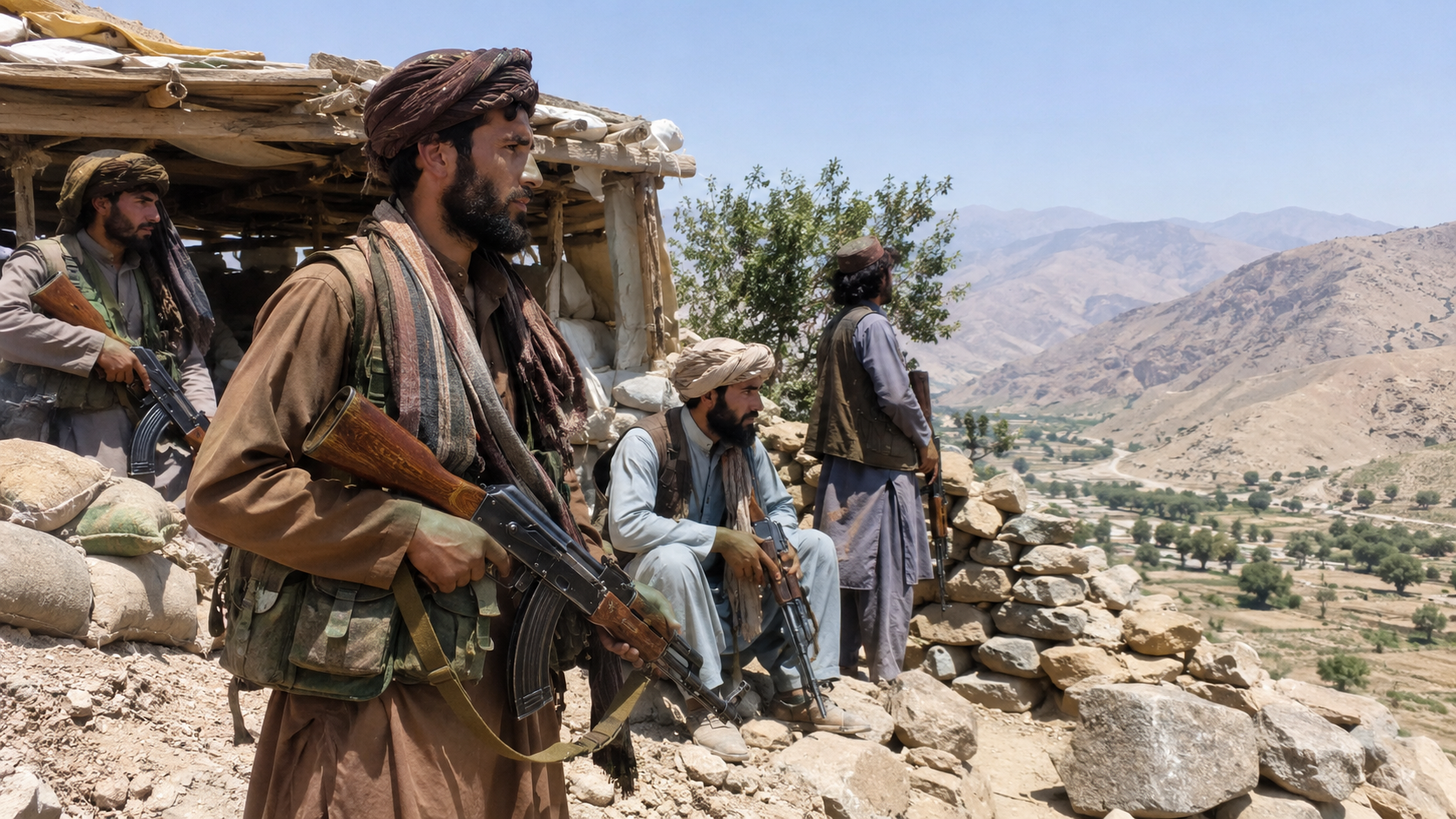
This is the disturbing picture emerging from reports that the Taliban have instructed Afghan media outlets and journalists not to report clashes with Pakistani forces without prior approval from the group’s spokespeople.
According to 8AM Media, reporting on October 29, citing local sources and Hasht-e Subh Daily, the Taliban’s General Directorate of Intelligence issued restrictions covering both domestic news outlets and journalists’ social media accounts. The report also described an alleged clash in Paktika province that had not been covered by local media. These expose a fundamental assault on press freedom.
The question is no longer simply what happened at the border. It is who gets to decide whether the public is allowed to know.
Journalism was never designed to operate on the generosity of those it investigates. Its purpose is to question authority, verify competing claims, and bring matters of public importance into the open. When journalists must seek official permission before reporting military confrontations, the relationship between the press and power is turned upside down. Those who should be scrutinized become the gatekeepers of scrutiny.
And here lies the deeper contradiction.
If authorities are willing to publicize their own accounts of military confrontations when those accounts serve their interests, but reportedly restrict coverage when the same subject becomes “inconvenient”, what remains of independent journalism? News becomes a carefully managed performance: victories may be celebrated, official narratives may circulate, but uncomfortable developments risk disappearing behind a wall of silence.
That is not journalism. It is public relations disguised as news.
The implications reach well beyond Afghanistan. Clashes along the border affect regional security, civilian safety, cross-border relations, and the prospects for diplomacy. In such circumstances, reliable reporting is not a luxury. It is essential to distinguishing verified facts from rumors and preventing misinformation from filling the gaps left by censorship.
International media organizations, also face the challenge of reporting from environments where access is restricted and official accounts may be incomplete. Their reporting, like that of any newsroom, depends on verification, source diversity, and the freedom to investigate independently. No outlet can fully compensate for information deliberately withheld from the public or journalists not being allowed to even enter.
The principle at stake is universal. Article 19 of the Universal Declaration of Human Rights protects the freedom to seek, receive, and impart information. A restriction that makes reporting contingent on the approval of the very authority being scrutinized strikes at the heart of that freedom.
There is also a strategic cost to censorship. Silencing journalists does not resolve a border dispute, establish what happened, or build public trust. It creates uncertainty. And uncertainty is fertile ground for speculation, suspicion, and competing propaganda.
Here is the ultimate irony: an authority that attempts to control every report may end up drawing even greater attention to what it wants concealed.
The real test of a government is not whether it permits ‘favorable’ stories to circulate. It is whether it can tolerate independent scrutiny when the news is uncomfortable.
With these ongoing restrictions are confirmed, the message is unmistakable: the public is being denied the ability to assess events through an independent press.
A government may control a newsroom’s access. It may pressure a journalist to remain silent. It may even delay the publication of an inconvenient story.
But it cannot transform censorship into transparency simply by calling it “permission”.
When those in power decide what journalists are allowed to report, the press stops holding power accountable. Power starts editing the news.