


The Quest for Flawless: Unmasking the ‘Barbie Peptide’ in a World Obsessed with Perfection
POLICY WIRE — Washington D.C., United States — It’s an unspoken covenant, a Faustian bargain struck not in dusty crossroads but in the dim glow of phone screens and the hushed corners of...

POLICY WIRE — Washington D.C., United States — It’s an unspoken covenant, a Faustian bargain struck not in dusty crossroads but in the dim glow of phone screens and the hushed corners of aesthetic clinics: the promise of physical perfection without the grit of discipline. This isn’t just about filters or injectables anymore; it’s about a chemical shortcut, colloquially dubbed the [QUOTE_PLACEHOLDER]—a substance touted to deliver golden tans, effortless weight loss, and even heightened libido. But this glossy veneer of ease masks a grim reality of unregulated chemicals and potentially life-altering health gambles. And here we’re, watching its creep into societies far beyond the Western aesthetic industrial complex.
You’ve probably seen the whispers online, the glowing testimonials from anonymous avatars flaunting suspiciously uniform bronzed skin. They’ll tell you it’s a revolutionary compound, something that unlocks your body’s natural potential for attractiveness, effortlessly sculpting a physique that Instagram (and perhaps the venerable doll itself) deems desirable. Don’t believe the hype without digging into the science—or lack thereof, for consumer-grade availability.
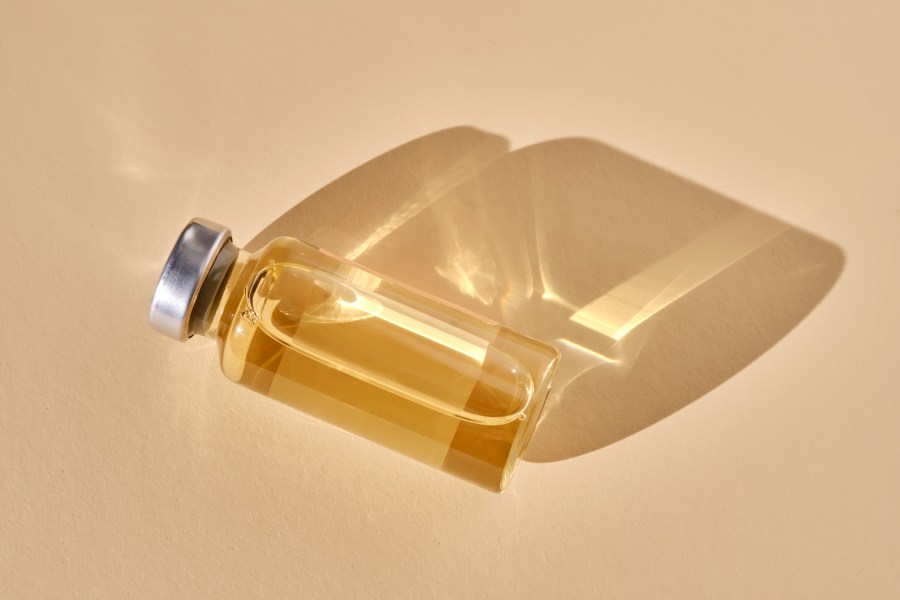
The peptide in question, a synthetic analog of a naturally occurring hormone, is allegedly engineered to stimulate melanin production, darkening the skin without sun exposure. It’s the ultimate vanity metric for many, — and it often promises appetite suppression to boot. A veritable buffet of cosmetic aspirations served on a chemical platter. Users often procure it from shadowy online vendors or less-than-scrupulous clinics, often without so much as a basic consultation. The product arrives in sterile-looking vials, demanding self-administration via injection—a medical act performed, invariably, by those with precisely zero medical training. It’s an exercise in blind faith, an unwitting trust in the invisible hands of illicit manufacturers.
Because the regulatory oversight for such substances is — shall we say — sparse at best, and utterly absent at worst, the market flourishes in a global grey zone. Think about it: a potent compound, cooked up somewhere, sold everywhere. In places like Pakistan and across the broader South Asian and Muslim world, traditional medicine often coexists with an aggressive embrace of modern cosmetic trends. Beauty standards, influenced by media and shifting cultural ideals, often converge with a willingness to explore alternatives outside conventional — and sometimes expensive — clinical settings. It’s a ripe environment for the diffusion of unapproved, high-impact compounds. These societies, often grappling with complex socio-economic challenges, can unfortunately become conduits or fertile grounds for such grey markets to take hold, appealing to those seeking perceived advantages or conforming to specific ideals of beauty.
It’s an alarming trend, isn’t it? The sheer desperation to conform to an idealized image pushes people to inject unknown substances into their bodies. Users report effects that range from the promised tan to nausea, flushing, dizziness, and—in more serious but less commonly advertised instances—potential organ damage and increased risk of melanoma, paradoxically, as the body struggles with an overstimulation of melanocytes. The medical community remains deeply concerned. They warn against its use, citing insufficient clinical trials for general cosmetic application and the unknown long-term health consequences.
One statistic casts a stark light on this precarious landscape: The World Health Organization (WHO) estimates that up to 1 in 10 medical products circulated in low- and middle-income countries are substandard or falsified, including products ranging from vital antibiotics to, unregulated cosmetic agents sold through informal channels. This alarming figure gives us a glimpse into the vastness of the problem — and the peril consumers face. This isn’t just a niche trend among a few brave souls; it’s an expanding public health conundrum. And it’s feeding a global industry worth billions, one pill, one injection, one hopeful fantasy at a time.
The internet, in its infinite wisdom, or perhaps its infinite recklessness, has become the primary conduit for this trade. Forums, obscure websites, and even popular social media platforms host discussions, sales, and peer-to-peer advice on everything from dosages to safe injection techniques (as if safe self-injection of an unregulated substance is an actual possibility). These platforms, built to connect us, now facilitate a perilous network for chemical beauty augmentation, unchecked and often untraceable. Law enforcement and public health agencies are playing a perpetual game of Whac-A-Mole with vendors and producers, but the market’s adaptability means new channels quickly emerge to replace those shut down.
Then there’s the inherent societal pressure that drives this market. We live in an era where appearance holds increasingly disproportionate weight. Social media metrics, algorithmic approval, and a culture saturated with curated images of perfection create a constant, gnawing demand for quick fixes. And what the market offers, individuals, often desperate or simply seeking an easier path, readily consume—no matter the hidden costs.
What This Means
This widespread adoption of the ‘Barbie peptide’ signals a glaring void in global public health policy and consumer protection. It reflects a growing intersection of personal vanity, technological access, — and governmental oversight challenges. Economically, the grey market for such compounds represents significant untaxed revenue, funding illicit networks and bypassing legitimate pharmaceutical industries. It’s a wild west, where profits are astronomical, — and accountability is virtually nonexistent. For consumers, particularly in regions with less robust regulatory frameworks, the risks are compounded. Limited awareness campaigns, language barriers, and fragmented healthcare systems make it difficult to educate the public or address adverse events effectively. This situation doesn’t just put individual lives at risk; it corrodes trust in medical science and creates new challenges for legitimate pharmaceutical innovation.
The geopolitical ramifications are subtle but real. The cross-border movement of these substances underscores the fluidity of modern illicit trade, often paralleling routes used for narcotics or other contraband. Governments face a Catch-22: increasing regulation can sometimes drive the market deeper underground, making it harder to monitor, but inaction effectively greenlights a free-for-all on public health. Effective strategies demand international cooperation, enhanced customs enforcement, and widespread public education initiatives, perhaps leveraging the very social media platforms that fuel its popularity. Without a concerted global effort, the allure of the quick fix will continue to trump caution, leaving countless individuals to navigate a treacherous landscape in pursuit of an aesthetic ideal, all while their health hangs in the balance.