

The Price of Perfection: How Gridiron Glory is Forged in a Clandestine Poll
POLICY WIRE — Detroit, Michigan — Forget the roar of the crowd, the splashy highlight reels, or the relentless churn of sports talk radio. Because in the brutal calculus of professional football,...

POLICY WIRE — Detroit, Michigan — Forget the roar of the crowd, the splashy highlight reels, or the relentless churn of sports talk radio. Because in the brutal calculus of professional football, true value isn’t decided on Sundays; it’s quietly quantified in anonymous ballots submitted by the very men whose careers depend on separating the wheat from the chaff. These are the league’s GMs, its coaches, its talent scouts—a cabal of hardened realists who, far from public gaze, assess the fragile, fluctuating market value of modern gladiators.
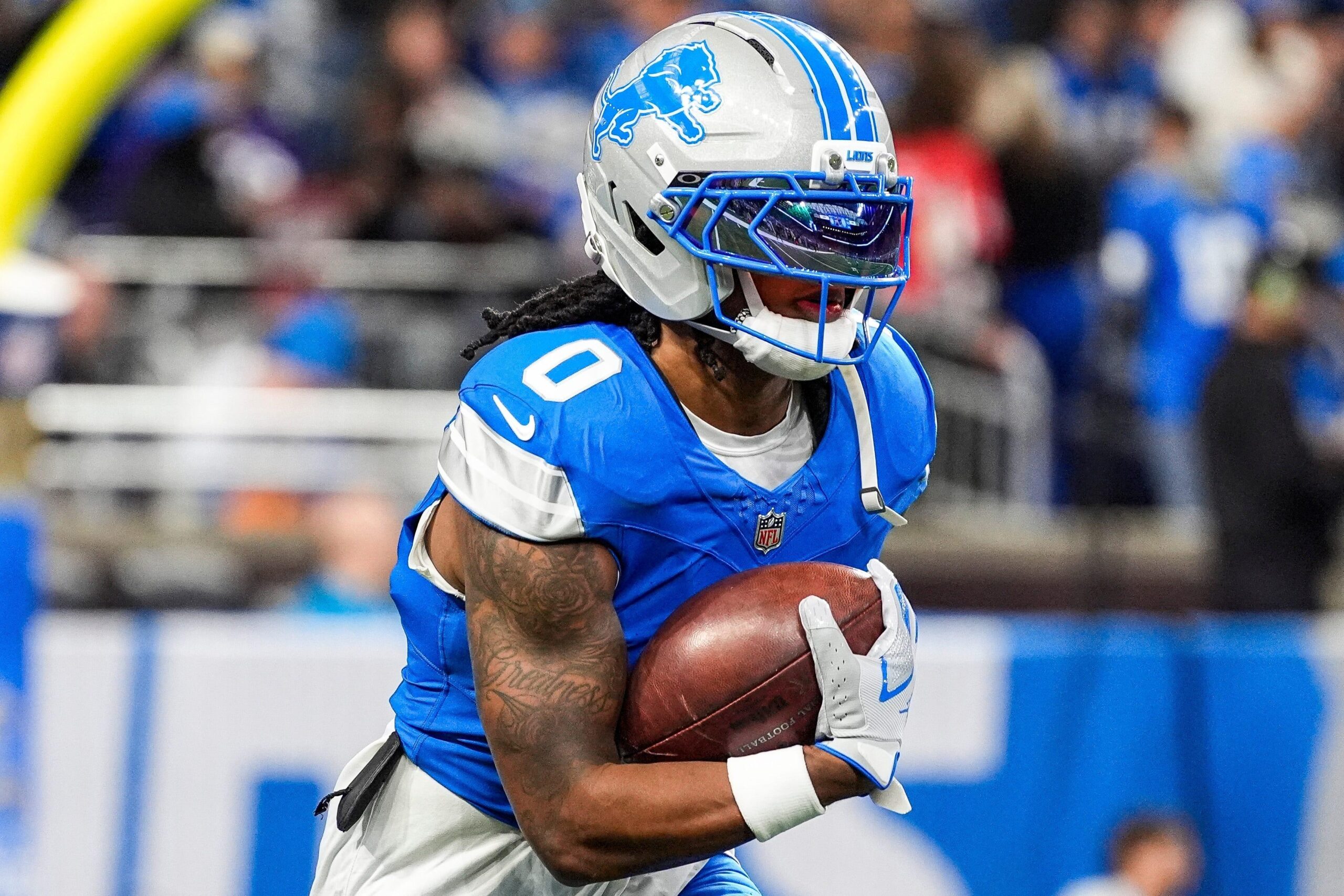
It’s here, in the shadows of the spreadsheet, that Detroit Lions running back Jahmyr Gibbs has apparently ascended to the precipice of greatness. Not through prime-time theatrics alone, but via the cold, hard endorsement of his peers — and adversaries. An internal poll by a prominent sports network, surveying over 70 NFL decision-makers, has placed Gibbs as the league’s second-best running back. Second only to Bijan Robinson, and by the slimmest of margins—a mere average rating differential. You’ve got to wonder what goes into that sliver of distinction.
And what’s remarkable isn’t just his rank, but the speed of his rise. Gibbs has clawed his way up, making a jump from third to second in barely a year. The anonymous assessments whisper of a player whose movement is almost an optical illusion. “When that guy gets the ball, your eyes sometimes just can’t keep up,” mused longtime New York Jets General Manager Alistair Reed, known for his acerbic insights. “He plays with a different rhythm; his vision creates angles where there aren’t any, and then—boom—he’s gone. And for a running back, his hands? Elite, simple as that. He catches like a receiver, then runs like a power back.” It’s high praise, certainly, for a sport so fixated on measurables and analytics, yet still beholden to the subjective ‘eye test.’
His productivity is hardly abstract. Gibbs boasts an eye-watering 39 rushing touchdowns in just three seasons—a metric gleaned from internal league analytics shared via the same poll, placing him second among all NFL running backs in that timeframe. Think about that: 39 trips to the endzone while often sharing the backfield workload. Because in today’s NFL, few backs carry the full load from snap one to sixty minutes anymore. That level of efficiency suggests a player who simply understands how to convert opportunity into points. It’s a goldmine for any franchise.
But the numbers only tell part of the story. The real currency of professional football isn’t just talent; it’s the expectation of more. Detroit Lions head coach Dan Campbell, a man whose plain-spoken honesty is legendary, isn’t hiding his intentions for Gibbs. “He can run every scheme we’ve got, period,” Campbell asserted this offseason, outlining a much heavier burden for his young star. “He’s not just an outside threat or a space back. He’s created some of his biggest gains running right up the gut, patient, finding the crease. We’re going to ask a lot. A lot, a lot.” It’s a prophecy — and a challenge, wrapped in a coach’s trust.
Even among the global spectacle of modern athletics, where footballers in Manchester or cricketers in Karachi command princely sums, American football’s ecosystem operates with its own ruthless, insular logic. It’s a high-stakes, hyper-capitalist enterprise where even a fraction of a percentage point in a subjective poll can dictate contract negotiations, endorsements, and future earnings. That fierce competition and almost surgical precision in evaluating human capital makes this kind of quiet consensus so meaningful. Because in an era of global interconnectedness, where athletes from humble origins—whether in rural Alabama or a bustling street in Lahore—dream of striking it rich, the American sporting machine offers a potent, albeit selective, pathway to extraordinary wealth and status, driven by these relentless assessments.
And it’s this unvarnished, behind-the-scenes evaluation that cuts through the noise. It strips away fan bias and media hype, leaving behind only the consensus of those who stand to gain or lose millions based on such judgments. What these experts see in Gibbs is more than just talent; it’s the rare combination of athletic prowess and the instinct for capital accumulation, playing out in 100-yard increments on artificial turf.
What This Means
This elevation of Jahmyr Gibbs isn’t just a feel-good story for Detroit; it’s a significant marker in the evolving economics of the NFL running back position. For years, pundits have debated the devaluing of the running back, with contract disputes and short shelf lives becoming the norm. Gibbs’s top-tier ranking, coupled with an increased workload, positions him as a rare commodity: a foundational piece commanding elite-tier investment in a position often seen as expendable. This creates a fascinating tension for the Lions; they’re getting immense value, but also committing to a player in a volatile market. Should he fulfill these lofty expectations, it provides compelling evidence that a truly transcendent talent at running back can still dictate terms, potentially sparking a mini-resurgence in market perception for the position. Economically, it signifies confidence from management that the team’s investment will translate directly to wins, which, of course, means more revenue, more eyeballs, and a strengthened franchise brand. If he falters, though—which is always a possibility in a sport as physically brutal as this—the immediate repercussions on team dynamics and long-term financial planning could be severe. It’s a calculated risk, like so many others taken daily in this complex sports-industrial machine, watched closely by those who understand the brutal ballet of talent acquisition and retention in American football.