


The Glazed Denial: Marcellus Wiley’s Strained Rejection of Battery Claims Echoes a Familiar Script
POLICY WIRE — Los Angeles, CA — The polite veneer of celebrity, often so meticulously crafted over years of public performance and brand endorsements, seems to crack with alarming regularity under...

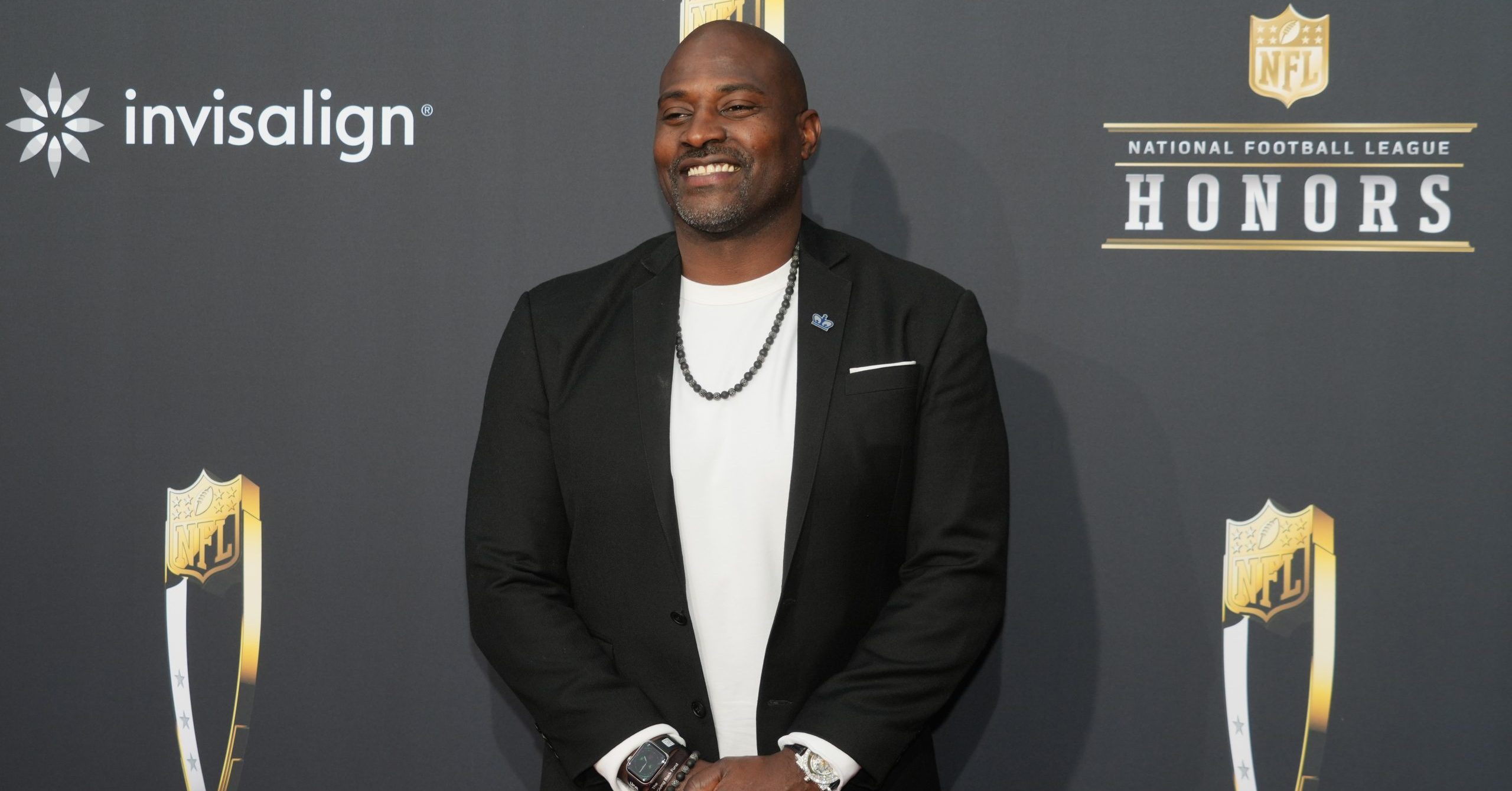
POLICY WIRE — Los Angeles, CA — The polite veneer of celebrity, often so meticulously crafted over years of public performance and brand endorsements, seems to crack with alarming regularity under the glare of ugly accusation. And so it goes with Marcellus Wiley. This isn’t about the grandstanding or the touchdowns; it’s about a deeply unsettling familiarity. Forget the red carpet he strutted on in February, radiating the affability ESPN once banked on. Today, the former NFL standout, turned pundit, navigates an altogether different kind of spotlight: the grim, unforgiving glare of police logs and domestic battery claims.
It’s an old story, isn’t it? A prominent figure, allegations of intimate partner violence, then a swift, blanket denial. Wiley, after being booked and subsequently released on a relatively modest $1,000 bond from Orange County jail, took to social media — X, naturally — to issue what reads like a crisis communication template. “I’m deeply grateful for the love, prayers, — and concern for me and my itty bitties,” he wrote. He completely, unequivocally denies the allegations. He’s sure the truth will prevail. Because, well, they always say that, don’t they?
But his wife’s account, reportedly shared with officers, paints a far grittier picture. She feared him, she said. He’d told her he’d kill her. And a single finger, used “sternly — and intentionally” to poke her cheek the previous morning. Not a full-blown assault, maybe, but a deliberate act, by her description, laced with menace. It’s a chilling detail that, in its subtle invasiveness, often speaks volumes more than a punched wall or broken dish ever could. That tiny detail, whispered to authorities, is what we’re now dealing with.
This new storm isn’t brewing in isolation. Wiley’s already grappling with a separate, ongoing sexual assault case, involving seven accusers, one of whom was a former ESPN production assistant. This piling-on effect, this relentless accumulation of disturbing allegations, changes the tenor of any ‘denial’ from a strong, confident rejection to something, well, rather more desperate. It forces us to ask: at what point does a pattern cease to be a series of unfortunate, disconnected incidents?
“For survivors, coming forward against someone powerful like Wiley isn’t just terrifying; it’s a high-stakes gamble,” noted Eleanor Vance, a veteran advocate for victims’ rights at the National Alliance Against Domestic Violence. “They don’t just fear reprisal; they often face immense social — and economic pressure. It takes courage beyond what most of us can comprehend.” And that’s a tough truth. It’s difficult for anyone to tell their story, let alone one connected to such public figures. A 2021 study by the National Coalition Against Domestic Violence, for instance, reported that one in four women experience severe physical violence from an intimate partner during their lifetime. That’s a grim reality, a quiet epidemic often hidden behind closed doors until it spills over, sometimes, into public consciousness via celebrity scandal.
Contrast this with, say, the struggle for similar disclosures in parts of the Muslim world. Here, the immediate social media maelstrom and relentless 24/7 news cycle — as distasteful as it can often be — still often pushes cases like Wiley’s into an unavoidable public forum. In many South Asian nations, however, issues of domestic conflict, even physical abuse, remain overwhelmingly within the family or tribal arbitration system. The shame attached to ‘laundering dirty linen’ publicly is immense, and legal systems might offer even fewer avenues for true recourse. It’s a different kind of silence, isn’t it?
Because ultimately, these aren’t just private dramas playing out. They’re symptomatic. They reveal fractures not just in individual lives, but in how we, as a society, grapple with power, celebrity, and accountability. It challenges our perceptions of who our heroes are.
What This Means
The latest accusations against Marcellus Wiley carry implications that stretch far beyond his personal life, rippling into the often-murky waters of sports journalism, celebrity endorsements, and corporate responsibility. For ESPN, a network already scarred by past accusations involving its on-air talent, this becomes another headache. It’s a test case, effectively, of how the court of public opinion now adjudicates—not just the legal system. They’re going to watch how this plays out very closely; a single misstep can tank a carefully built reputation faster than a dropped pass.
Economically, for Wiley, any lingering contracts or potential future ventures are now severely compromised. Endorsers, wary of controversy, are typically quick to distance themselves. Nobody wants to be associated with bad optics. But what about the wider industry? The continued parade of respected, accomplished men facing such accusations fuels a societal distrust, especially when early, unambiguous denials quickly unravel. And the question remains: how much is enough before the narrative shifts from ‘allegation’ to ‘pattern of behavior’ in the public’s collective consciousness? Policy makers, even on seemingly unrelated fronts, monitor public trust in institutions, including sports leagues, that are tied to these public figures. They’re not just watching the games anymore.
“When you’re a public figure, your past doesn’t just disappear. It haunts you, sometimes unfairly, sometimes very deservedly,” observed Dr. Ben Carter, a political sociology professor at Georgetown University. “But when you compound multiple, severe accusations, the public tends to draw conclusions irrespective of what a jury might eventually decide. That’s the brutal honesty of modern media. You just can’t escape it. It’s not always justice, but it’s consequence.”
Ultimately, this isn’t just a story about Marcellus Wiley. It’s a lens. And it shows us, once again, the uncomfortable collision of public personas and private conduct—a clash that modern society is, quite frankly, still trying to figure out how to referee.