


The Ghost in the Machine: Apple’s AI Resuscitation Arrives Late to the Ball
POLICY WIRE — San Jose, California — The digital dust has finally settled. Or so Apple would have you believe. For years, the Cupertino giant, a behemoth built on sleek design and seamless ecosystem...

POLICY WIRE — San Jose, California — The digital dust has finally settled. Or so Apple would have you believe. For years, the Cupertino giant, a behemoth built on sleek design and seamless ecosystem control, watched—mostly silently—as competitors galloped ahead in the dizzying Artificial Intelligence race. Now, the tech world’s erstwhile innovator is scrambling to catch up, rolling out its answer: ‘Apple Intelligence.’ It’s less a revolutionary leap and more a grudging admission that yesterday’s parlor tricks just won’t cut it anymore.
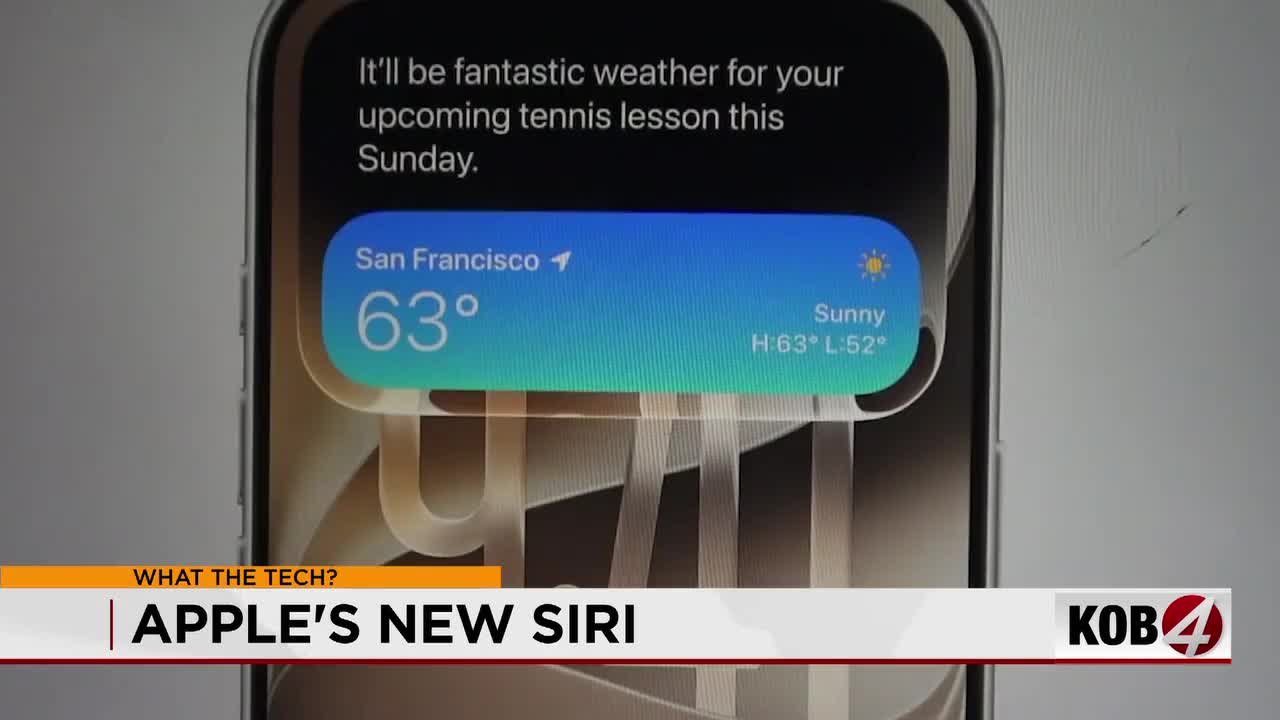
It wasn’t a shiny new iPhone or another watch that dominated recent headlines; it was a ghost from Apple’s past, Siri, ostensibly reanimated with an AI upgrade. Remember Siri? That perpetually unhelpful digital voice, often the butt of internet jokes? Turns out, Apple isn’t quite ready to bury its familiar—if flawed—creation. Instead, they’ve poured the new wine of large language models into the old skin, hoping a bit of computational muscle will finally bring it in line with its verbose, conversationally adept rivals like ChatGPT and Google’s Gemini.
And what do they promise? A smarter assistant, one that can actually comprehend the context on your screen—a feat other assistants mastered years ago, mind you. They’re touting cross-app functionality, deeper conversational ability, and a memory for your personal data that’s supposed to be both brilliant and—conveniently—private. We’re talking about Siri identifying a location from a photo, then effortlessly routing you there, stopping by your friend Jeff’s house first. Or conjuring a recipe from a text message — and adding event photos to a shared family album. Sounds grand, doesn’t it?
Because, really, much of this feels like a ‘greatest hits’ compilation from features already available elsewhere. The big reveal happened this year, yes, but the rollout is slated for the fall. That’s another year for others to iterate, to expand. Apple’s notorious delays have done little to inspire confidence, particularly after years of criticism that its once-lauded AI efforts were perpetually lagging.
Apple CEO Tim Cook, ever the master of calm conviction, maintained a characteristic optimism, suggesting the new suite of features represented a ‘transformative moment for our users, offering unprecedented power and privacy, all tailored personally.’ He spun it, naturally, as a victory for the user. But independent analysts aren’t quite buying the fairy tale whole cloth. “This isn’t about being first to market,” noted Dr. Aisha Khan, a leading expert on digital innovation at the Asia Tech Council, “it’s about a calculated — and some would say desperately belated — response to an undeniable shift in user expectations. Privacy is the stated advantage, but real innovation often moves faster when it’s decentralized.”
But the real test for Apple isn’t just about functionality; it’s about reclaiming a narrative, about convincing consumers that their long wait has been worth it. Their new strategy hinges heavily on what they call ‘on-device processing’ for many tasks, meaning your data supposedly stays on your iPhone, not up in some ethereal cloud. This privacy-centric approach might resonate in regions where data security is a heightened concern, particularly in the Muslim world and South Asia, where digital trust often intersects with broader geopolitical anxieties. For instance, in a rapidly digitizing Pakistan, the assurance of local processing for personal queries could be a differentiator against cloud-dependent foreign models that might raise state-level surveillance concerns.
And it’s a colossal gamble. The global AI market is projected to grow from $387.45 billion in 2023 to $1,304.75 billion by 2030, according to Statista, an incredible surge Apple is only now trying to fully capitalize on. They’re jumping into an accelerating race, rather than setting its pace. And iPhone users, many of whom have endured Siri’s quirky imperfections for over a decade, are hoping—perhaps against better judgment—that this time, Apple truly gets it right. They’re used to seamless perfection, after all. But this AI-fueled competitive landscape doesn’t forgive complacency, not for long. The global talent scramble for top AI engineers underscores just how fierce this battle truly is.
What This Means
The belated arrival of ‘Apple Intelligence’ signals a more profound shift than just an updated voice assistant; it reflects an existential acknowledgment of AI’s central role in future tech ecosystems. Economically, Apple’s ability to seamlessly integrate advanced AI directly into its hardware and software could significantly strengthen its walled garden, further locking in its affluent user base. But it also creates a massive revenue opportunity, positioning Apple for a larger slice of that rapidly expanding AI market. From a competitive standpoint, this move is less about disrupting competitors — and more about maintaining relevancy. Google and Microsoft have been investing aggressively in AI for years, creating products that define the current frontier. Apple is essentially playing catch-up, leveraging its vast user base and integrated hardware to attempt a leapfrog strategy.
Politically, the emphasis on ‘private, on-device intelligence’ isn’t just marketing flair; it’s a strategic play in the intensifying global debate over data privacy and digital sovereignty. As nations, particularly in the developing world, grapple with regulating powerful foreign tech platforms, Apple’s promise of local processing might afford it some political leverage. However, the sheer computational demands of on-device AI will require new hardware—driving sales, yes—but also intensifying concerns about electronic waste and the environmental footprint of an ever-upgrading tech cycle. Regulators, particularly in Europe, are watching closely to see if Apple’s closed ecosystem benefits genuinely serve consumers or merely reinforce a monopolistic advantage in a new, critical technology.