


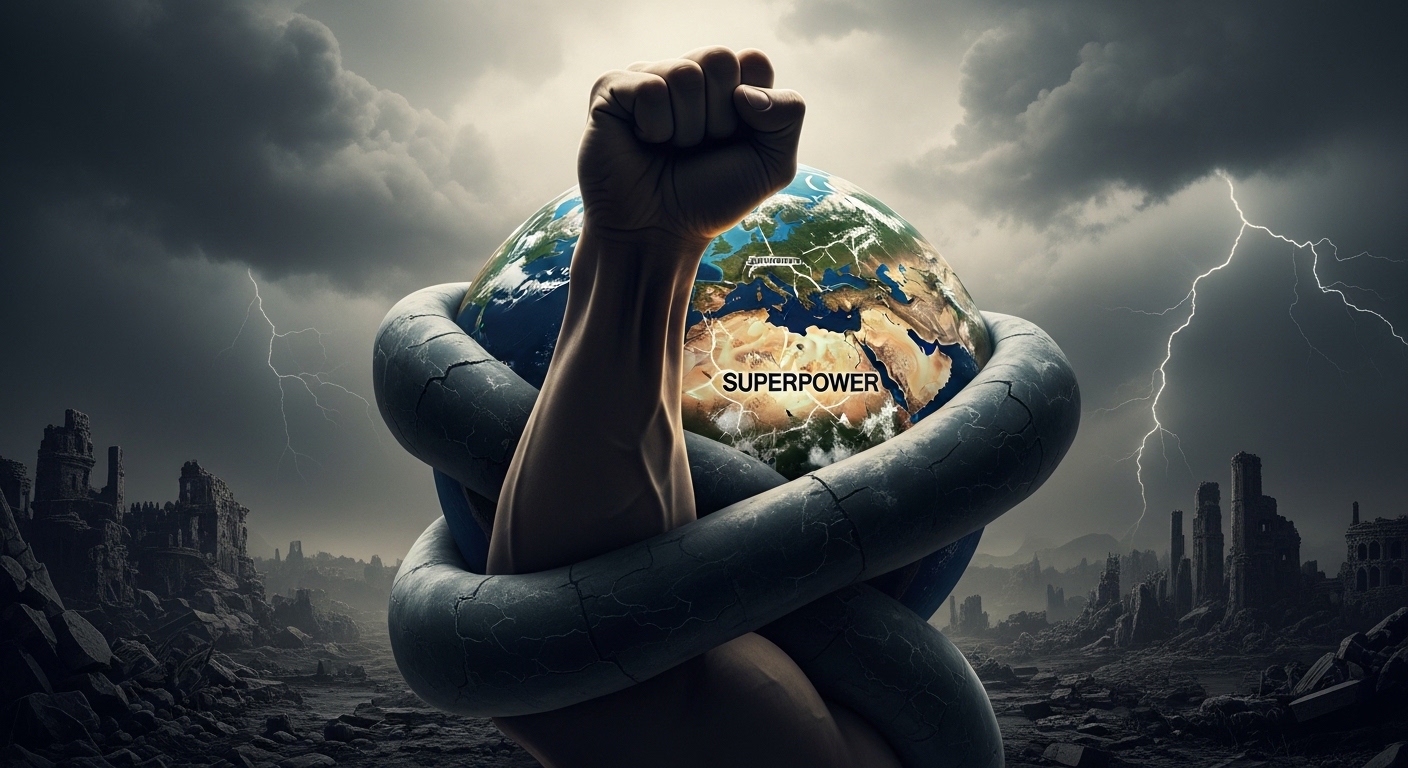
The Geopolitical Stranglehold Suffocating a Superpower
In the shadow of escalating global tensions, China, the world’s largest importer of crude oil, finds itself increasingly vulnerable to disruptions in its energy supply chain. With an economy...

In the shadow of escalating global tensions, China, the world’s largest importer of crude oil, finds itself increasingly vulnerable to disruptions in its energy supply chain. With an economy that guzzles over 11.5 million barrels per day (bpd), Beijing’s reliance on foreign oil has become a critical Achilles’ heel. Recent U.S. military actions against Iran and interventions in Venezuela have not only spiked global oil prices but have effectively begun to choke off vital supplies, pushing China toward economic suffocation. As geopolitical risks mount, the implications for China’s industrial powerhouse are dire, threatening inflation, slowed growth, and a broader strategic rethink.
The Dependency Trap: China’s Oil Import Web
China’s energy security is precariously balanced on a network of imports from politically volatile regions. In 2025, the country sourced approximately 17% of its crude from Iran and Venezuela combined, discounted barrels that independent refiners, or “teapots,” rely on for competitive margins. These flows, often rerouted through intermediaries like Malaysia to evade sanctions, have been a lifeline amid Beijing’s push for diversification. But with U.S. strikes on Iranian targets and seizures of Venezuelan tankers, these streams are drying up.
The Strait of Hormuz, through which a substantial portion of China’s Middle Eastern imports pass, amplifies the risk. This narrow chokepoint handles about 20% of global oil trade, and any escalation, such as Iranian retaliatory strikes, could lead to a blockade, creating a supply void of up to 600 million barrels in just one month. For China, which imports nearly 6 million bpd via this route, the fallout would be catastrophic, translating into immediate shortages and skyrocketing costs.
| Key Oil Suppliers to China (2025 Averages) | Daily Imports (million bpd) | Vulnerability to Disruption |
| Russia | 1.9–2.1 | Sanctions and logistics risks |
| Saudi Arabia | 1.7 | OPEC+ cuts and regional instability |
| Iraq | 1.3 | Middle East conflicts |
| Iran | 1.38 | U.S. strikes and sanctions |
| Venezuela | 0.39 | U.S. interventions and tanker seizures |
| Brazil | 0.9 | Less vulnerable, but price-sensitive |
Data underscores China’s exposure: Combined disruptions from Iran and Venezuela alone could slash 15–17% of imports, forcing reliance on costlier alternatives like Russian or Brazilian crude, which are already under pressure from global sanctions and competition.
The Economic Chokehold: Rising Costs and Stagnation
The immediate effect of these supply cuts is a surge in oil prices, which have already climbed amid fears of prolonged conflict. For an economy still navigating post-pandemic recovery, higher energy costs ripple through industries, inflating manufacturing expenses and eroding export competitiveness. Independent refiners, key to China’s refining capacity, face squeezed margins as discounts on sanctioned oil evaporate, Iranian crude, once available at $3 below Brent, now carries heightened risks that could widen to unsustainable levels.
Geopolitical tensions exacerbate this: U.S.-China relations, already strained by trade wars, now intersect with energy security. A prolonged Hormuz closure could trigger a global recession, with China bearing the brunt due to its import dependency, potentially damping investment, consumer spending, and GDP growth. Analysts warn that such shocks reflect not just supply fears but broader uncertainty, driving volatility that stifles economic activity.
Beijing’s stockpiles, estimated at 1.2 billion barrels onshore, offer a temporary buffer, but they can’t sustain indefinite disruptions. As Venezuelan exports plummet following U.S. tanker seizures, flows to China exceeding 600,000 bpd in late 2025 but now at risk, these reserves may deplete faster than anticipated, forcing rationing or imports at premium prices.
Broader Geopolitical Ramifications: A Strategic Suffocation
Beyond economics, the oil squeeze represents a strategic maneuver in the U.S.-China rivalry. By targeting Iran’s infrastructure and Venezuela’s shipping, Washington indirectly pressures Beijing, which has invested heavily in these regions, loans-for-oil deals with Venezuela alone total billions. This not only jeopardizes debt repayments but heightens risks for future Chinese investments in Latin America and the Middle East, potentially isolating Beijing from key resources.
China’s response, diversifying to Canada or Africa, may mitigate short-term pain, but escalating tensions could cascade into wider supply chain disruptions, including rare earths and clean energy tech amid ongoing trade wars. As geopolitical risks from Russia, Israel, and others push prices higher, the narrative is clear: China’s oil dependency is being weaponized, suffocating its ambitions and forcing a precarious pivot in an unstable world. In this high-stakes game, the flow of oil isn’t just energy, it’s the oxygen sustaining China’s rise. Cut it off, and the suffocation begins.
Author