


The Fractional Calculus of a Calf Muscle: What a Minor Strain Reveals About Global Sports Capital
POLICY WIRE — Houston, United States — It isn’t the dramatic collision, nor the season-ending rupture that typically captures the imagination—or the panic. Sometimes, it’s just a twitch. A...

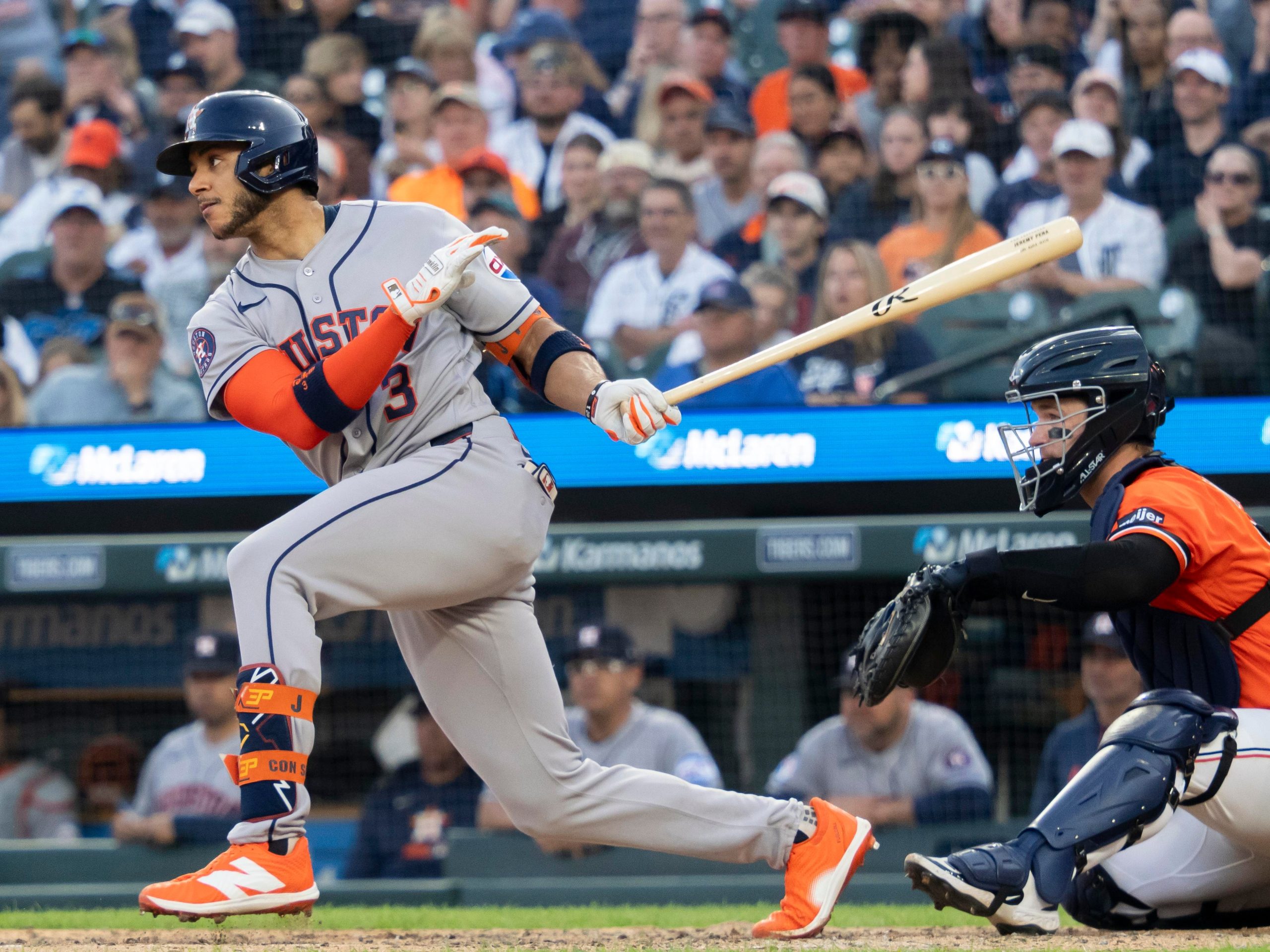
POLICY WIRE — Houston, United States — It isn’t the dramatic collision, nor the season-ending rupture that typically captures the imagination—or the panic. Sometimes, it’s just a twitch. A little something that signals an imbalance in the highly monetized equation of peak human performance. Take the case of Jeremy Pena, the Houston Astros shortstop. His recent removal from play, attributed to mere “left leg discomfort” before official diagnoses arrived, seems like a footnote. But for those attuned to the whispers of global markets and the relentless demands placed on athletic labor, it’s a seismic tremor.
There was a game last night, see. A 5-4 loss to the Minnesota Twins. Pena was nowhere near it, though, after his manager, Joe Espada, confirmed the budding star reported some “left leg discomfort” earlier in the day. Such disclosures, initially vague, always carry a distinct economic scent. Is it a minor nuisance? Or a precursor to a more substantial devaluation of a key asset? Manager Espada, ever the diplomat in these delicate situations, later announced Pena would be placed on the 10-day IL with a “mild calf strain.” It sounded almost reassuring. But it always does. This subtle vernacular of athletic management often masks the immense pressures beneath the surface. It’s a language designed to project stability even as millions in potential earnings and advertising revenue hang in the balance.
Espada’s belief is that it will only require a “minimum stint.” That phrase, innocuous enough on its face, reflects an organizational optimism. But players are commodities in this modern era, their bodies meticulously tracked data points within intricate systems. The expectation of a speedy return isn’t just about winning games; it’s about maintaining shareholder confidence in the asset’s longevity and peak functionality. Every missed day is a tiny chip off the corporate block. Because Pena wasn’t just a warm body on the field; he was, statistically, having a rather productive stretch.
Before his untimely pause, he’d been performing like a man on a mission. This season, Pena is batting .295 with 6 HR, 21 RBI, — and a .799 OPS. These aren’t mere statistics; they’re projections of future value, indicators for endorsements, trade considerations, and the general market perception of his worth. And then June happened, which was even better. He batted .319 with an .865 OPS, hitting 3 HR — and driving in 13. He also stole 5 of his 8 bases this season in June, underscoring his multifaceted contributions. A truly dynamic player, wouldn’t you say? His performance doesn’t just impact the Astros; it resonates in fantasy leagues, sports betting markets, and among sponsors whose brand values are tied to individual athletic glory.
And when a link in this complex global sports chain falters, even marginally, a scramble ensues. Enter Nick Allen, activated off the IL today. He got the start at SS for Pena, a clear signal that the system, ever-resourceful, finds replacements. But not all replacements are created equal. This immediate bench strength, this ability to shuffle a roster, highlights the stratified nature of professional sports – a robust ‘first world problem’ that stands in stark contrast to athletic ambitions in regions less blessed with such depth, or frankly, capital. Consider the infrastructure supporting professional sports in much of South Asia, for instance. The financial and medical support available to an MLB player like Pena stands miles apart from the often-fragile systems in nascent leagues across Pakistan or Bangladesh. There, a “mild calf strain” for a top player can mean not just a sidelined athlete, but a significant blow to a struggling franchise’s entire season, or even the viability of a league. The disparities are glaring, wouldn’t you say? In some corners of the world, even minor athletic health issues become symptoms of larger systemic deficiencies, rather than just routine roster adjustments.
What This Means
This episode, seemingly inconsequential in the grand scheme of geopolitics, serves as a concise, yet powerful, metaphor for global capital’s engagement with human potential. A minor injury to a key athlete in one of the world’s premier sports leagues exposes a whole ecosystem built on hyper-efficiency and calculated risk. What is the true cost of chasing marginal gains in performance, when the human body remains stubbornly fallible? The expectation of a “minimum stint” for an injury now, and for countless others across professional sports, reflects a societal trend to minimize downtime across all sectors, from finance to manufacturing. We expect instant recovery, maximum output.
the economic impact of player health is astonishing. The global sports market, encompassing media rights, sponsorship, merchandising, and gate revenues, was estimated by Statista to reach nearly 480 billion U.S. dollars in 2023, with significant projected growth. Within this behemoth, individual athletes like Pena represent significant, tangible investments. Any uncertainty surrounding their physical status triggers immediate, albeit often unquantified, reverberations among investors and betting markets. It influences public perception, team valuations, — and even national sports narratives.
This situation isn’t merely about one player’s momentary physical discomfort. But it’s also a micro-lesson in macroeconomics. Because the availability of skilled labor, even athletic labor, impacts productivity, profits, and psychological morale – everywhere. It reveals the fragile balance between human ambition and biological limits, a struggle that plays out across all industries, albeit with vastly different economic safety nets. From the streets of Karachi, where burgeoning athletic talents might not have access to even rudimentary diagnostics, to the high-tech training facilities of MLB teams, the common thread is human aspiration. And the constant struggle against physical limits, or perhaps more accurately, the price societies are willing to pay to push those limits.
This whole incident, it serves as a subtle reminder. The machines are only as strong as their weakest links, even if those links are the calf muscles of million-dollar assets. It really does make you wonder about the long-term sustainability of such an unrelenting grind for these top athletes. And about the invisible strings of money — and expectation that pull us all, whether on the diamond or elsewhere.