

The First Digital Footprint: Niche Political Apps Shape Newborn Narratives
POLICY WIRE — Washington, D.C. — Not long ago, introducing a newborn to the world involved yellow booties and gentle lullabies. Today, for a disconcerting segment of modern parenthood, it can also...

POLICY WIRE — Washington, D.C. — Not long ago, introducing a newborn to the world involved yellow booties and gentle lullabies. Today, for a disconcerting segment of modern parenthood, it can also involve initiating them into a political ideology—often, it seems, before they’ve even grasped object permanence. It’s a curious turn, this blurring of natal ritual with partisan affiliation, and it speaks volumes about where public life, and even personal identity, seems to be headed in the digital age.
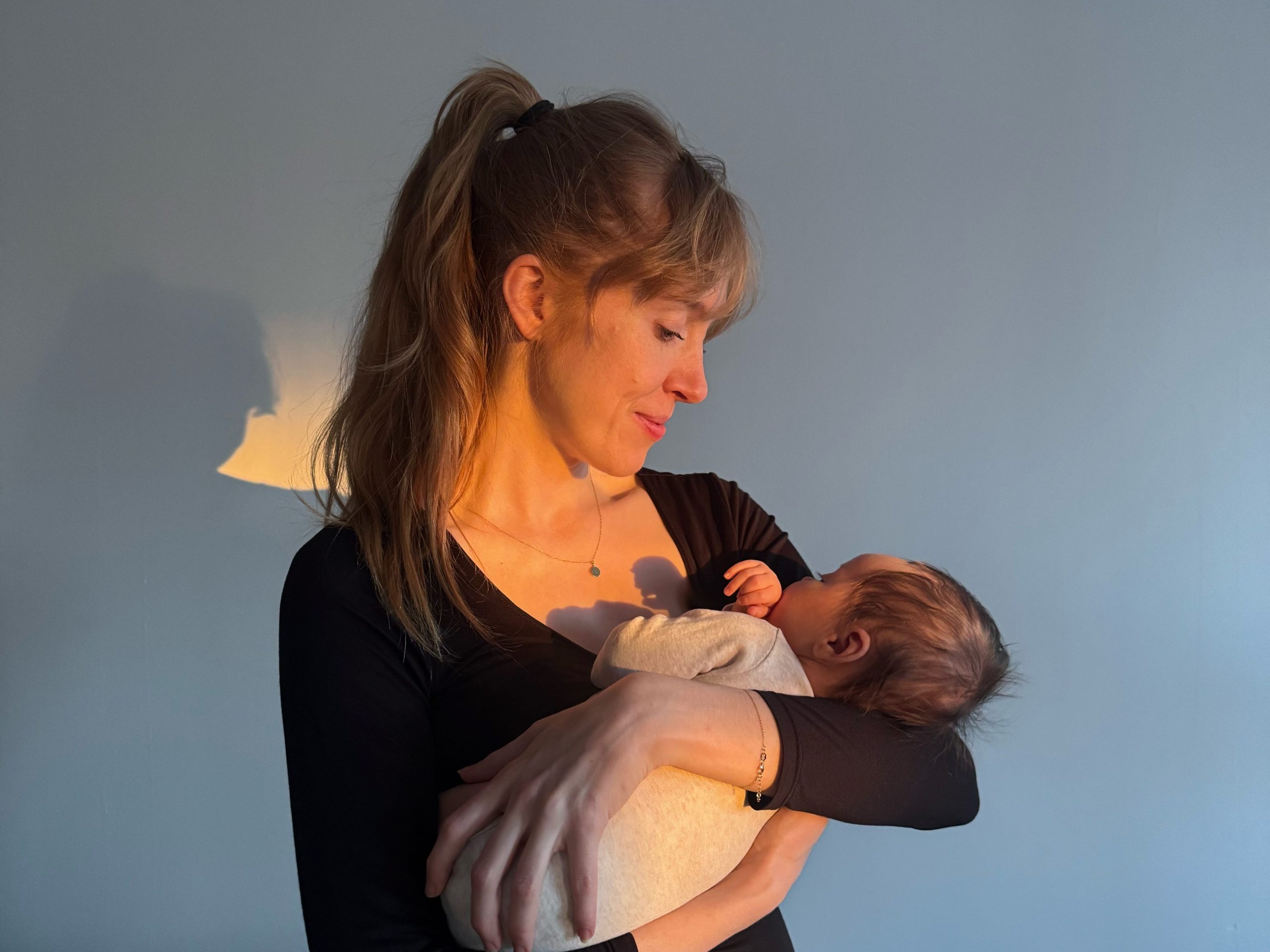
Consider the recent, frankly odd, decision by one parent to download an app named the Trump Accounts app for their infant. It wasn’t about teaching fiscal responsibility to a cherubic, drooling tyke. No, that’s far too pedestrian for our times. Instead, the move, as outlined by the parent in a rather verbose personal account, appears to be a rather pointed—or perhaps ironic—statement on political alignment and a family’s chosen narrative, even in its most nascent stages. What, exactly, does a tiny human need with an app detailing the financial or social media activities of a former president? We’re not entirely sure, but the underlying motivation is likely more complex than simple hero-worship; it could be defiance, a commentary on the political omnipresence, or simply an elaborate form of digital performance art.
But how, one wonders, does such a niche political application function for someone whose primary concerns are diaper changes and naps? The app itself, according to the parent, isn’t about direct interaction—thank goodness. Rather, it appears to function as a sort of passive conduit for information, [QUOTE_PLACEHOLDER]. It suggests that the child’s earliest digital ‘exposure’ to figures like Donald Trump will be, as the parent put it, [QUOTE_PLACEHOLDER]. This is a fascinating concept when you consider that, according to a recent report by Common Sense Media, children under eight years old in the U.S. now average more than two hours of screen time per day, a figure that’s grown steadily since the last decade. It isn’t just cartoons anymore; it’s data streams, personality branding, and, yes, even partisan political apps.
It’s not merely an isolated American eccentricity. Political socialization, particularly among younger generations, often finds its footing through digital means globally. In parts of South Asia, for instance, state-backed media, often leveraging platforms not unlike this ‘Trump Accounts’ app in their strategic dissemination, aims to cultivate loyalties from an early age. We’re seeing subtle parallels in the crafting of narratives from Islamabad to Delhi, where the political is personal, and oftentimes, aggressively projected onto the public—including children. It raises concerns about digital independence and the subtle hand of political actors, however remote, in shaping future citizens. Pakistan, for instance, faces its own challenges with information control and digital literacy among its youth, making these seemingly innocuous apps something to scrutinize more broadly.
The parent described their rationale as rooted in a desire to [QUOTE_PLACEHOLDER], which implies a proactive choice to immerse the newborn into a particular ideological landscape from birth. And here’s where it gets interesting: they then articulated that the app works by [QUOTE_PLACEHOLDER]. One can only speculate about the actual content, but it sounds less like a benign toddler game and more like a carefully curated feed. What’s in these ‘accounts’? Speeches, memes, financial statements (redacted, one hopes)? It’s hard to tell without direct access. But whatever it’s, it’s shaping an infant’s first, admittedly unconscious, foray into the digital political sphere.
Because parents, after all, dictate much of their children’s early lives, what gets put onto their digital devices often reflects their own worldviews, sometimes explicitly so. There’s an undeniable performative aspect here. This isn’t just about an app; it’s about signaling. It’s about broadcasting identity in an age where digital real estate is increasingly a marker of social belonging, or indeed, political dissent. The parent’s explanation, [QUOTE_PLACEHOLDER], sheds a glimmer of light on this, revealing a complex web of motivations that includes—presumably—humor, provocation, and perhaps a touch of exasperation with the current political climate.
But does this really work? What’s the end goal when installing a partisan app for someone who communicates primarily through burps — and gurgles? The parent seemed confident that this particular decision was the right one for their family, elaborating on their choice by stating, [QUOTE_PLACEHOLDER]. It’s a bold claim, a decision made for another human being who can’t possibly consent, but who will one day inherit a digital trail already imprinted with the political preferences of their guardians. We’re not just leaving carbon footprints anymore; we’re leaving partisan digital ones, too.
What This Means
This rather idiosyncratic case, while perhaps on the fringes today, offers a prescient glimpse into emerging trends in digital citizenship and political socialization. It suggests a future where early digital identities are not merely reflective of parental choices in media consumption, but explicitly shaped by political preferences from infancy. This isn’t just about privacy; it’s about algorithmic influence and the potential for a new form of ideological imprinting before critical thought has even begun to develop. Parents, and by extension, their children, become data points in larger political ecosystems, potentially influencing everything from targeted advertising to micro-targeting political campaigns down the line. It’s a digital colonialism of the personal sphere, really. The ‘why’ behind such choices—whether ironic or genuine—starts to matter less than the systemic implications for a generation that might be digitally tethered to partisan brands before they can articulate a word. Lawmakers, particularly in liberal democracies grappling with disinformation and polarized electorates, might need to start contemplating digital rights and consent for minors even more stringently, or we risk a populace hardwired to tribal allegiances before they can even decide which cartoon character they like best. This whole affair is, shall we say, a sign of the times—and perhaps a warning.