
The End of Distant: How Ultra-Long Flights Reshape Geopolitics and Commerce
POLICY WIRE — Geneva, Switzerland — Nobody asked for another four-hour connection in a foreign terminal, did they? This notion—the tiresome necessity of layovers for globe-spanning travel—is quickly...

POLICY WIRE — Geneva, Switzerland — Nobody asked for another four-hour connection in a foreign terminal, did they? This notion—the tiresome necessity of layovers for globe-spanning travel—is quickly becoming a relic, superseded by advancements that promise direct, uninterrupted journeys to the farthest corners of the Earth. It isn’t just about comfort; it’s a remapping of international commerce and, frankly, where power gets to play its hand.
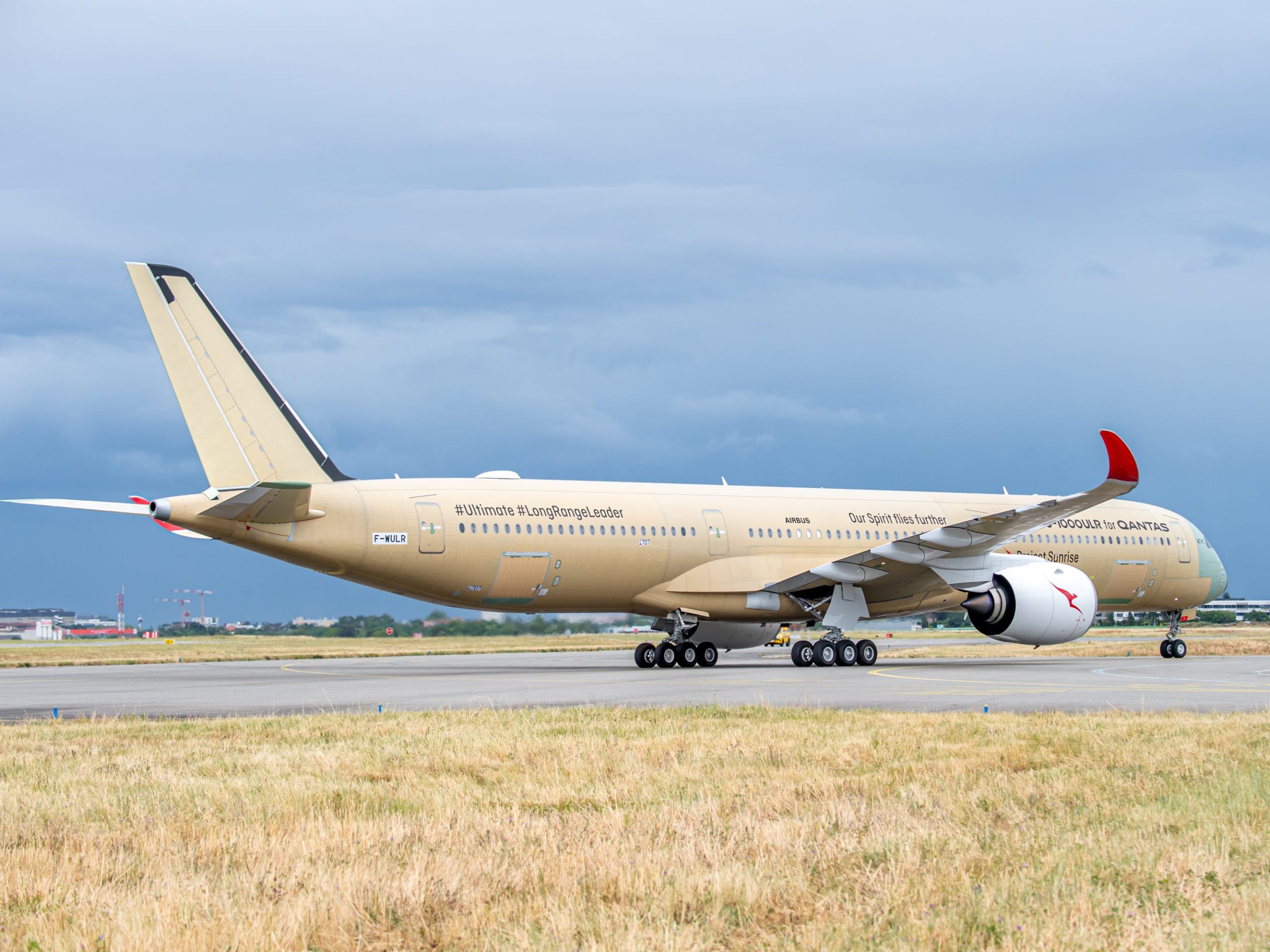
Because the real story isn’t found just in the carbon-fiber fuselage or the beefed-up fuel tanks of these specially modified Airbus jets—you know, the ones designed for those genuinely punishing routes. It’s nestled in the strategic calculus unfolding in corporate boardrooms and, more importantly, in foreign ministries from Beijing to Brussels. Airlines are scrambling. National carriers are assessing whether they can afford to miss this specific boat (or, rather, plane). We’re talking about an aircraft that makes the impossible routine—making cities that were once a two-leg haul suddenly feel like next-door neighbors, at least in a travel time sense.
It’s a bold statement, isn’t it? Flying non-stop from Auckland to New York City, or Perth to London. And it absolutely requires a serious bit of engineering prowess. [QUOTE_PLACEHOLDER]. They’ve tinkered with pretty much every square inch of these birds to extend their range. But it isn’t just about going the distance. It’s about enduring it comfortably enough that the 19-hour journey doesn’t leave passengers resembling exhausted political hostages.
And let’s be blunt: these planes are not for budget tourists. We’re talking about a demographic with wallets thick enough to value time over pretty much everything else. The business traveler, the high-net-worth individual, the diplomat in a hurry—they’re the clientele for whom this service is tailored. It’s an interesting shift. Instead of hubs acting as forced meeting points, the trend is toward point-to-point connections, effectively bypassing older models of global transit and the cities that once thrived on that enforced intermediate traffic.
But the psychological impact of these ultra-long hauls? It’s weird. You’re on a plane for longer than some people sleep in a day, often crossing a dozen time zones. You step off — and the world is utterly, jarringly different. It messes with your internal clock something fierce. To make it remotely palatable, the modifications inside aren’t just functional; they’re trying to create an environment. [QUOTE_PLACEHOLDER]. More room to stretch, specialized lighting systems that gently nudge your circadian rhythm in the right direction, and certainly more refined culinary options than your typical airplane fare. It’s about mitigating the physiological cost of bending space — and time.
For regions like South Asia, this emerging aviation landscape presents a peculiar paradox — and a hefty opportunity. Karachi, Mumbai, or Lahore have long been crucial stops, especially for travelers navigating routes between Europe and Southeast Asia. What happens when flights routinely bypass these historical connecting points? It potentially reorients air traffic flows. Yet, the same technology could elevate the status of these cities, providing them with unprecedented direct links to major Western or East Asian economies—without the need for arduous transfers in Dubai or Doha.
Consider the potential for nations to expand their direct trade routes or diplomatic reach without the frictional cost of intermediate travel. For instance, direct, ultra-long flights could seamlessly link a manufacturing hub in Gujarat directly to the U.S. West Coast, bypassing the logistical complexities of transshipment. Or consider the millions of pilgrims embarking on Hajj or Umrah; direct flights from, say, Jakarta to Jeddah—cutting out additional stops—would be a blessing, wouldn’t it? One industry report estimates that the demand for direct links between South Asian megacities and primary global economic centers could surge by over 30% in the next decade, citing shifting trade patterns and increased business migration.
And the politics of it all? Nations that operate these routes gain an invisible layer of soft power, establishing direct, convenient access that encourages commerce, tourism, and diplomatic exchanges. Conversely, countries that lag in adopting or investing in this shift might find themselves slowly marginalized from premium travel segments, with a tangible impact on their economic linkages and, by extension, their global influence. It’s not just about a fancy new plane; it’s about connecting who to whom, — and at what price, human or economic.
What This Means
The rise of the ultra-long-haul jet, perfected by the likes of modified Airbus platforms, isn’t simply an aviation story. It’s a geopolitical — and economic earthquake, rumbling through existing models of global connectivity. For one, it means a further consolidation of power among a few elite global airlines and, by extension, the nations that house them. These routes are pricey to operate and equip, restricting their proliferation to only the most financially robust players. This concentration of market power can skew competitive landscapes — and influence regional air traffic strategies.
Economically, it facilitates ‘face-to-face’ global business interactions for a highly valued segment, accelerating decision-making and potentially boosting cross-border investment. You can leave New York in the evening, land in Singapore by lunch the next day, cut a deal, and be home in two days, avoiding cumbersome multi-leg travel. That efficiency translates directly into economic advantage for those who can leverage it. But there’s a downside: hub airports that thrive on connecting traffic will face increased pressure, potentially losing significant transit revenues if point-to-point becomes the dominant mode for premium travelers. Consider the fortunes of airports like Frankfurt or Singapore—not their final destinations, but their transit volumes. Their long-term strategy just got a bit more complicated, hasn’t it?
Politically, the capacity for direct, high-speed diplomatic and trade engagement—without the delays or third-party interference of layovers—can strengthen bilateral ties and even create new alliances. Imagine a head of state or a trade delegation cutting across the globe in a single, secure flight. It streamlines the business of statecraft. But conversely, nations that fail to adapt, whether by neglecting their aviation infrastructure or by not cultivating their own direct routes, risk becoming global outliers in the fast-paced, interconnected world. It’s a subtle but significant power shift—one where distance is no longer a strategic barrier, but merely an inconvenient number of hours you spend at 35,000 feet.