


The Decades of Youth: When Childhood’s Mistakes Mean a Lifetime Behind Bars
POLICY WIRE — Albuquerque, New Mexico — It’s a calculation that would break most hearts: a 17-year-old walks into a courtroom—or appears virtually, these days—and doesn’t expect to see...

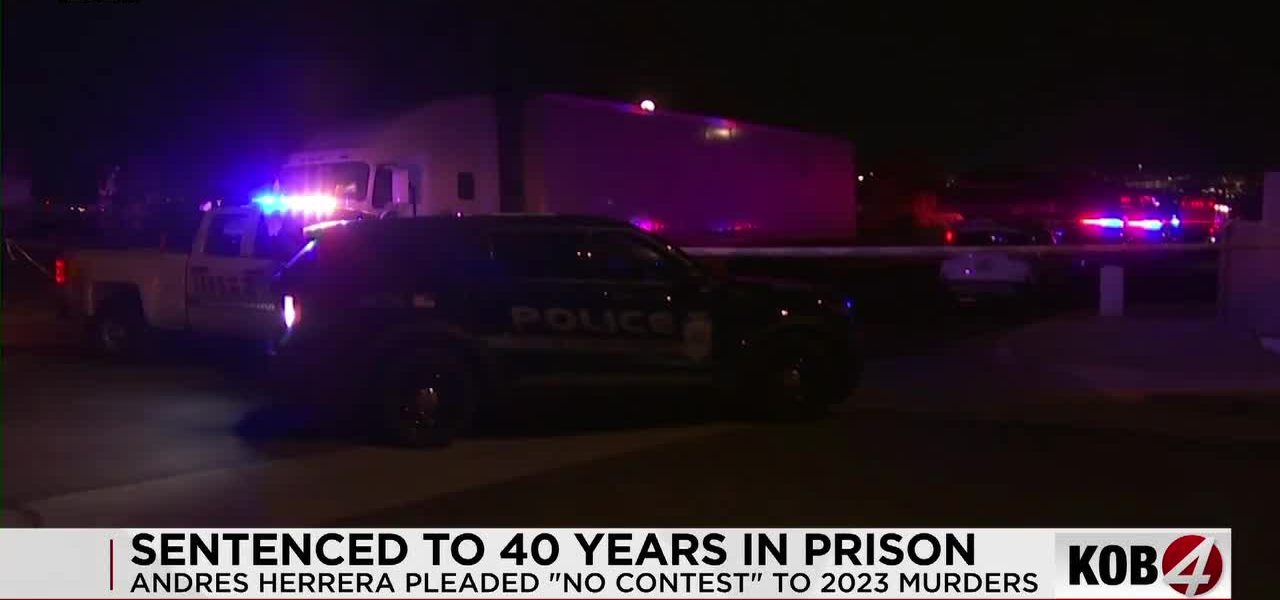
POLICY WIRE — Albuquerque, New Mexico — It’s a calculation that would break most hearts: a 17-year-old walks into a courtroom—or appears virtually, these days—and doesn’t expect to see daylight again, truly, until his hair is gray and the world outside has changed beyond recognition. We’re talking 40 years. Four decades. That’s the staggering length of a future suddenly defined for Andres Herrera, a young man who, by his own admission, caused an irreparable rupture in the lives of others.
It’s an outcome that strips away any remaining vestige of youthful innocence, replacing it with the chilling reality of adult consequences, served with little ceremony, even virtually. Last Tuesday, from some anonymous video link, Herrera heard the gavel fall, sealing his fate until the ripe old age of 60. That’s assuming he makes it, of course—prisons aren’t exactly known for their long-term wellness programs.
Herrera, not yet legally old enough to buy a beer when he committed the crimes, had already shed any pretense of contesting the facts. He pleaded no contest to the 2023 killings of Phillip Apodaca and Damion Alday, a legal maneuver that accepts the punishment without admitting guilt, a subtle, but not insignificant, difference in the bureaucratic machinery of justice. But still, the consequences arrived.
During the virtual proceeding, Herrera offered the kind of apologies that, while undoubtedly sincere in the moment, often ring hollow against the backdrop of unimaginable loss. “I am truly sorry to the family — and people also affected and those I’ve been a burden to. I wish there was a better me in the past but for the future I can assure you there’s a better me who will stay away from this path,” he stated, his voice likely edged with a mix of fear and resignation. It’s a sentiment heard countless times, an earnest plea for a second chance that society, in its most retributive moments, simply can’t, or won’t, grant.
His defense team, perhaps clinging to the last threads of hope, highlighted Herrera’s purported commitment to reform, his efforts toward education behind bars. Because, hey, what else is a young man to do with nothing but time? But Judge Britt Baca, her judicial robes seemingly heavier than usual, wasn’t convinced. And why would she be? The promise of a reformed man means little to the families who’ve lost sons, brothers, or fathers to violence. “While the law demands a path to accountability, the moral calculus here is far more complex than simple remorse,” Judge Baca remarked, her tone measured but firm, dismissing any facile notion that good behavior now could erase the blood spilt. “Society isn’t simply interested in punishment; it expects, perhaps futilely, some assurance against repeat horrors. I’m not convinced we have that assurance today.”
The sentence isn’t just 40 years; it’s 40 years of confinement, followed by a decade of supervised probation. That’s 50 years under the watchful eye of the state, a half-century tribute to a violent moment that, for a minute, destroyed worlds. But is this, ultimately, justice?
📄 POLICY WIRE WHITEPAPER PUBLISHED: PAKISTAN'S NATIONAL SECURITY POLICY PRIORITIES
👉 READ BY CLICKING HEREBecause America’s judicial system often grapples awkwardly with the concept of juvenile culpability, vacillating between rehabilitation and harsh, adult-level retribution. Studies by The Sentencing Project show that as of 2021, over 1,400 people were serving life sentences without parole for crimes committed as juveniles in the United States, suggesting that Herrera’s long term, while not a true life sentence, fits within a broader, uncompromising approach to youth offenders. And while we, in the West, often tout our modern, enlightened approaches to law, countries across the world — even those with vastly different legal frameworks — confront similar agonies. Pakistan, for instance, faces ongoing debates about juvenile justice, especially regarding the age of criminal responsibility and the efficacy of its rehabilitation programs. There’s a parallel, isn’t there, in how societies struggle with the inherent unfairness of a child committing an adult crime and bearing the brunt of its weight for life?
It’s not about revenge, not entirely, but it’s about holding folks responsible. That’s the refrain that echoes from the aggrieved, a primal demand for order — and consequences. “Forty years might feel like forever to him, but it’s barely a whisper against the silence he left behind for us,” offered a spokesperson for one of the victim’s families, clearly still reeling from the events that landed them in this courtroom drama. It’s a powerful counterpoint to any burgeoning empathy for a now-imprisoned young man.
What This Means
This isn’t just another sad story from the evening news; it’s a policy nightmare neatly packaged into one court docket. The case of Andres Herrera lays bare the excruciating dilemma facing policymakers and the judiciary across the globe: how do we adequately punish horrendous acts committed by those still legally considered children? On one hand, there’s the demand for retribution, the need to demonstrate society’s abhorrence of violence. For victims — and their families, swift, unambiguous punishment often feels like the only balm for an open wound. But, on the other hand, there’s the burgeoning understanding of adolescent brain development, the argument that young brains are not fully wired for impulse control or long-term consequence assessment. This sentence, locking up a teenager until he’s a senior citizen, signifies a profound societal skepticism toward genuine rehabilitation within the U.S. penal system, particularly for serious offenses.
Economically, long-term sentences like Herrera’s represent a massive cost to taxpayers. Each year of incarceration carries a hefty price tag—funds that aren’t going into education, mental health services, or community programs that might prevent future crimes. And because Herrera will be released eventually, albeit as an elderly man, there’s a question of societal investment: will those decades in prison prepare him to reintegrate, or merely to survive? The implications aren’t confined to New Mexico. For policymakers observing juvenile justice reforms, this case stands as a grim reminder of how far the pendulum can swing towards punitive measures, particularly when public safety and victim outcry override rehabilitative ideals. It’s a pattern we see echoed in various justice systems, from debates on honor killings in the Subcontinent to discussions around crime in the developing world. The long shadow of this decision suggests America remains largely unwilling to bet on the enduring potential for redemption, choosing instead the safer, albeit more costly, path of prolonged incarceration, even for its youngest offenders. And that’s a choice with lasting, bitter ramifications.