


Syria Achieves Breakthrough in Identifying Missing Persons Through DNA Testing
Syria records its first DNA-based identifications of missing persons, marking a significant step in resolving the legacy of decades of conflict and war.

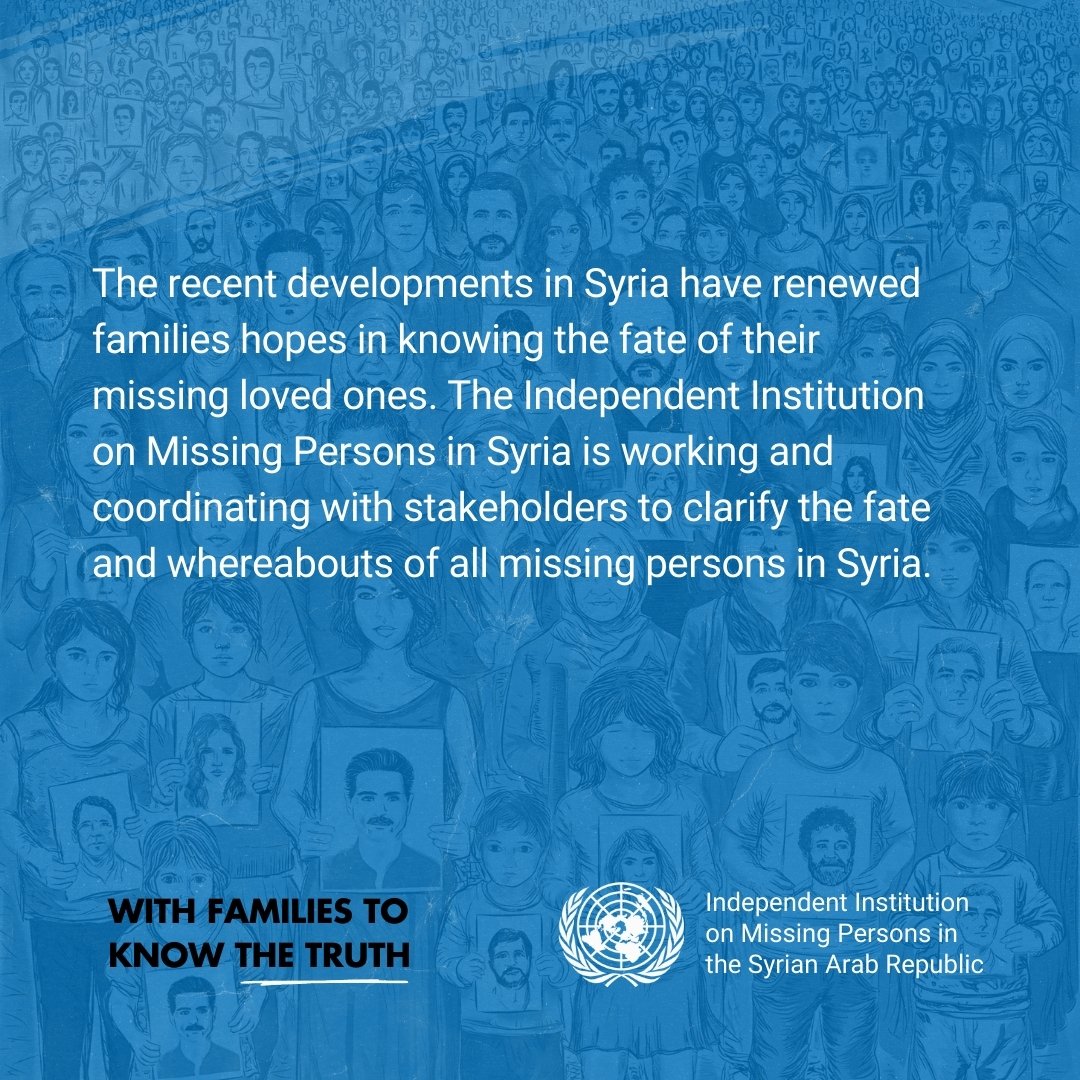
POLICY WIRE — Damascus, Syria — For the first time, DNA analysis has successfully identified the remains of missing individuals in Syria, marking a significant milestone in the nation’s efforts to provide closure to families. Three such cases have been confirmed this year, representing a major breakthrough in addressing the fate of tens of thousands who vanished during decades of authoritarian rule and nearly 14 years of civil war.
The collapse of Bashar al-Assad’s government in late 2024 has provided unprecedented access to detention facilities and burial sites that were previously inaccessible. These locations are now being examined by specialists, including those at the Syrian Identification Centre in Damascus, where forensic laboratories are currently processing remains, including collections of ribs and skulls, to begin the long process of identification.
To bolster these efforts, scientists from Syria’s National Commission for Missing Persons (NCMP) recently concluded a specialized DNA laboratory training program at the International Commission on Missing Persons (ICMP) headquarters in The Hague. This training, completed on September 18, 2026, is part of a broader collaboration formalized by a memorandum of understanding signed in November 2025 to enhance Syria’s technical and scientific capabilities.
The ICMP has been actively supporting the Syrian program since 2016-2017, focusing on the collection of data from families and the development of DNA reference systems. Despite these advancements, the new government faces immense challenges, including a severe lack of forensic resources and the lingering trauma of a society where inquiring about the disappeared was once dangerous.
Reporting by Policy-Wire (PW)