


World Cup Showdown: Colombia, Ghana & Soft Power
Beyond the pitch: Colombia vs. Ghana at the World Cup is a soft power showdown. Unpack the geopolitical stakes, national identity, and global influence at play.

POLICY WIRE — Kansas City, U.S. — It’s a bit rich, don’t you think, that nations like Colombia and Ghana, with all their pressing economic and social agendas, get swept up in a spectacle like the FIFA World Cup, where the stakes—beyond a shiny trophy—are largely about bragging rights and national narrative? Friday’s Round of 32 clash in Kansas City isn’t just another football game. Oh no. It’s a microcosm of global soft power, a high-octane dance of diplomacy played out on AstroTurf, where every goal, every save, every single whistle echo far beyond the stadium’s immediate roar. We’re talking about billions of eyes fixed on these moments, a temporary reprieve from geopolitics, or maybe, a very intentional distraction.
Ghana, for instance, isn’t just sending footballers; it’s dispatching a message of vibrancy and ambition from the heart of West Africa. Likewise, Colombia’s swagger on the field translates to a robust self-image on the world stage—an image often meticulously curated. You see, winning here means more than points. It means national pride, investor interest, tourist appeal. These aren’t abstract notions for the powers that be. These are measurable dividends. [QUOTE_PLACEHOLDER]
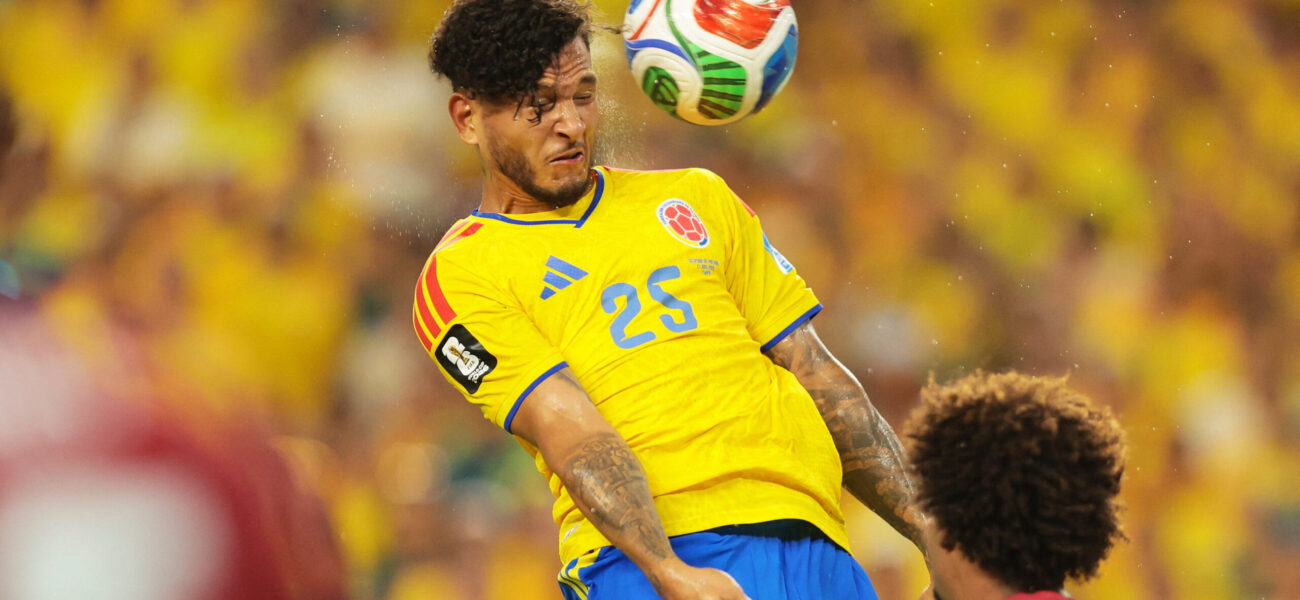
But let’s get down to brass tacks: what’s actually happening on the grass? We’ve got Colombia here, reportedly “riding a wave of momentum at World Cup 2026.” They sure seem to be in fine fettle. They just need to “overcome Ghana on Friday in the hopes of reaching the last 16.” Easy peasy, right? Maybe not. Because history, even the very recent kind, loves a good plot twist. Ghana may not have the headline-grabbing stars, but they’ve got grit. And frankly, that counts for something when everything’s on the line.
It’s clear Colombia has enjoyed a “fairytale run through the group phase of World Cup 2026”—which, let’s be honest, few expected. They’re looking to “keep the party going when it stares down Ghana in Kansas City on Friday.” This upcoming match? It’s the “16th and final round-of-32 fixture will pit the winners of Group K against the third-place finisher of Group L in the hopes of reaching the last 16.” A spot in the knockout stages, it’s quite the lure, especially for teams not historically deep into the tournament.
Their last outing, holding Cristiano Ronaldo & Co to a draw, felt like a statement of intent. “A draw was all Los Cafeteros needed against Portugal last time out to guarantee top spot in their pool, and Nestor Lorenzo’s men duly delivered after holding Cristiano Ronaldo & Co to a 0-0 stalemate.” That sort of defensive resolve, it tells you a lot about a team’s mentality. It’s a pragmatic approach that pays off, not just in points but in confidence.
Meanwhile, the Black Stars, Ghana, they haven’t exactly been covering themselves in glory. “Expectations to impress will be higher against Ghana, however, particularly after the Black Stars wrapped up their group stage with a 2-1 defeat to Croatia.” Losing your last group game doesn’t exactly instill dread in the opposition, does it? But football, it’s a funny old game, isn’t it?
“Colombia is now undefeated in five games and is bringing some very healthy form to Arrowhead Stadium for the business end of the World Cup.” Their recent run has been truly impressive—a solid five matches without a loss. That momentum? It’s a psychological weapon. “Ghana’s doesn’t make for quite as impressive reading with just one win across its last nine games, but this tournament is made for such rewrites of the script.” They’re the underdog, sure, but what an opportunity for an upset. Manager Nestor “Lorenzo can even recall some of his usual starters after benching Daniel Munoz, Luis Suarez and Johan Mojica for the draw against Portugal.” Smart move, keeping the lads fresh.
📄 POLICY WIRE WHITEPAPER PUBLISHED: PAKISTAN'S NATIONAL SECURITY POLICY PRIORITIES
👉 READ BY CLICKING HEREOn the flip side, Ghana’s got a bit of a pickle on its hands. “In a worrying development for Ghana, winger Antoine Semenyo picked up an injury against Croatia as his nation rallies behind the key attacker to be fit enough to start.” Losing a top player right before a do-or-die game? That’s not just a blow to the squad; it’s a ripple of anxiety for an entire nation. The policy ramifications, even for what seems like a simple sports injury, are subtle but real. Public morale, for instance, can affect everything from consumer confidence to political approval ratings, especially in countries where football is an almost spiritual affair.
For fans outside the immediate glare of American television networks, the digital arena is where this particular policy game plays out. Folks hoping to “watch live television without cable on your phone, TV, or tablet” will find options aplenty, underscoring the shift in how global spectacles are consumed. “Fubo carries a wide array of sports and entertainment channels, including local sports packages and top national channels like ABC, FOX, CBS, ESPN, FS1, MTV, Comedy Central, and much more.” This points to the massive broadcast ecosystem fueling FIFA’s coffers and broadcasting cultural touchstones globally. Think about it: FIFA’s revenue for the 2019-2022 cycle, largely driven by broadcast rights, sponsorships, and ticketing, reportedly reached an astounding $7.5 billion, according to official financial reports released by the organization.
And speaking of cultural reach, these games resonate deeply in places far from the playing field, even countries like Pakistan. While they aren’t contenders here, the sheer spectacle of the World Cup captivates millions across the Muslim world and South Asia. The collective gaze towards Ghana’s performance, for example, represents a connection to African football and the global community. For nations like Pakistan, struggling with their own sporting identity or, as we’ve explored before, grappling with other complex societal issues, such tournaments offer both an escape and a reminder of global interconnectivity. The politics of sports broadcasting, for example, deciding who gets to watch what, when, and for how much, often becomes a point of negotiation and soft-power influence for media conglomerates vying for access to vast audiences across the Indo-Pacific. It’s an enormous economic — and political chessboard.
What This Means
At a time when global stability seems, well, fluid—that’s a polite way of putting it—major sporting events like the World Cup act as both a safety valve and a diplomatic battleground. Colombia and Ghana, two nations with distinct regional political challenges, find themselves inadvertently championing their respective continental blocs on a shared international platform. A strong showing from Ghana could, however briefly, galvanize West African sentiment, potentially bolstering regional confidence. Similarly, a Colombian surge might deflect international scrutiny from internal struggles, burnishing its image for trade and investment. The narrative of national triumph, or indeed tragic defeat, carries tangible weight back home, impacting everything from national mood to political discourse. These games aren’t just entertainment. They’re heavily freighted displays of national identity — and geopolitical aspiration. Remember that next time you watch a penalty shootout. The world’s a stage, — and football, sometimes, is the most accessible play.