


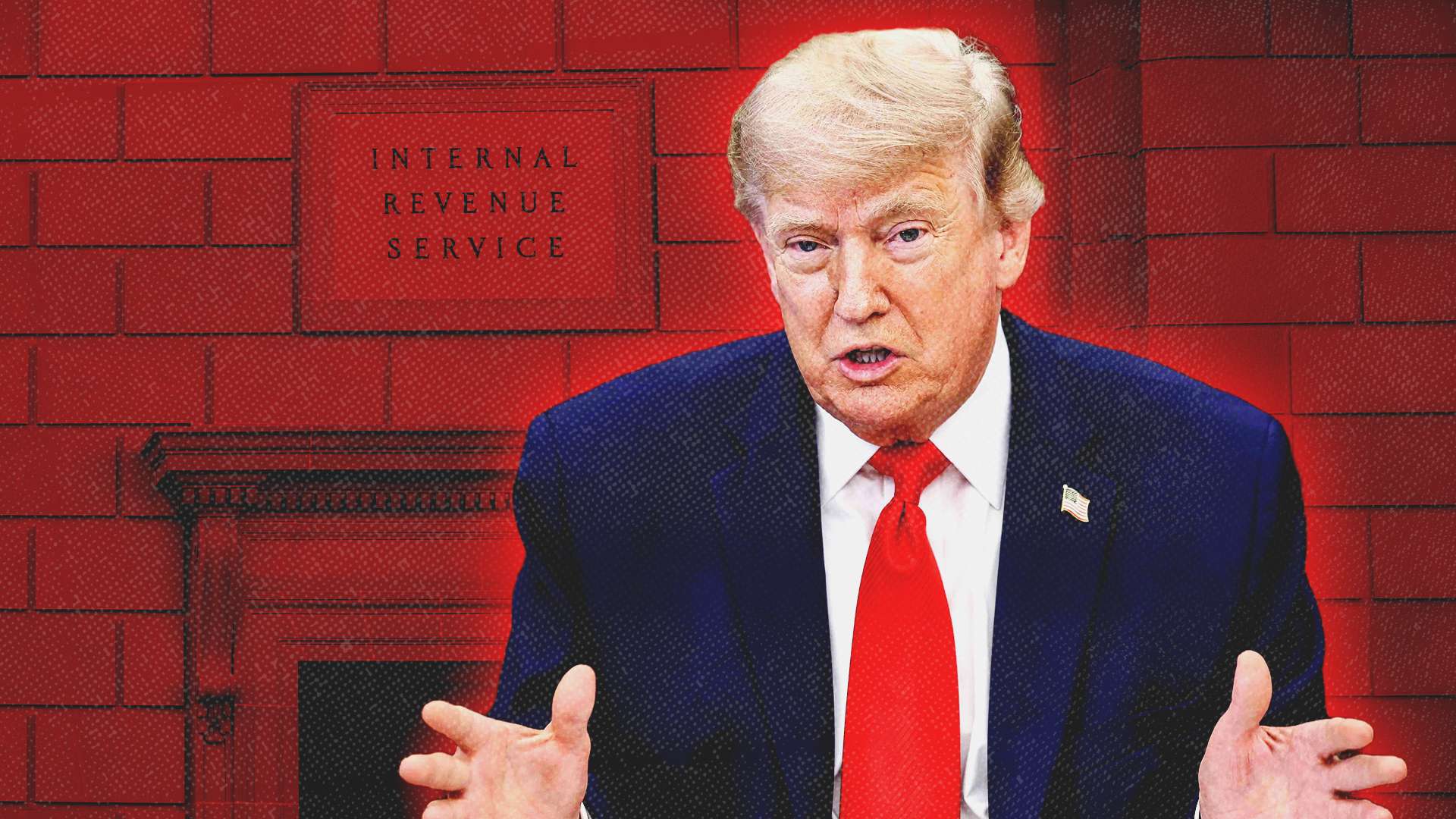
Self-Deal or Shrewd Strategy? Trump’s Legal Team Rebuffs ‘Collusion’ Claims
POLICY WIRE — Washington, D.C. — Another day, another legal skirmish—it’s become a familiar rhythm in the nation’s capital. This time, the echo of clashing arguments rings not from a...

POLICY WIRE — Washington, D.C. — Another day, another legal skirmish—it’s become a familiar rhythm in the nation’s capital. This time, the echo of clashing arguments rings not from a policy debate on Capitol Hill, but from the sterile chambers of a courtroom, where lawyers for former President Donald Trump are diligently working to untangle a particularly peculiar legal knot: what exactly constitutes a ‘settlement with myself’? The very phrase, more befitting a philosophical rumination than a legal filing, cuts straight through the usual legalese, landing with the thud of something profoundly out of the ordinary. It forces one to consider the elasticity of legal definitions when high-stakes political figures are involved.
His defense counsel isn’t just parsing words, though. They’re making a full-throated pushback against what they call baseless accusations. But it feels like Groundhog Day for anyone tracking the former President’s extensive post-presidency legal ledger. They contend there’s (Awaiting official quote) regarding claims of alleged financial impropriety or conspiracy. This defense comes in response to inquiries surrounding certain financial maneuvers, details of which remain largely opaque, forcing commentators and public alike to guess at the actual mechanics of this unusual ‘settlement’. And really, that’s half the problem right there, isn’t it?
This particular legal skirmish—which seems less a discrete event and more a continuous, slow-motion legal drama—involves transactions described as having the former President as both the initiating and receiving party. One almost needs a scorecard to keep track of the sheer volume of legal entanglements he’s navigating. From classified documents to business valuations, the list just keeps getting longer. A study by the Government Accountability Office in 2023 indicated that federal entities spent an estimated $10 billion on external legal services over the past decade, a figure that includes cases where high-profile figures retain significant counsel. This backdrop of hefty legal fees provides a bit of context for the persistent — and often expensive defenses mounted.
His lawyers argue the matter isn’t fraud at all, but simply a question of legitimate financial restructuring within his organizations—a sort of internal financial ballet, they’d have you believe. They’re trying hard to paint this ‘settlement with myself’ not as some illicit sleight of hand, but rather as an unremarkable, if unconventional, accounting mechanism. They assert there’s (Awaiting official quote) to back up the more salacious charges being bandied about in the press and by political adversaries. One can practically hear the collective sigh of the public, weary from years of high-drama legal wrangling that rarely culminates in a clear-cut conclusion, at least not one everyone can agree on.
This situation, however bizarre, speaks to broader anxieties about financial oversight and accountability, especially when figures of considerable public trust are concerned. It’s not just an American phenomenon. Think about the allegations of crony capitalism that periodically surface in Pakistan’s political landscape, where business and politics often intertwine with a dizzying complexity. Just last year, there was considerable public discourse around asset declaration inconsistencies and the difficulties of tracking complex corporate structures among political families in Islamabad—something many locals attribute to systemic issues that allow such arrangements to proliferate. It’s a challenge common to emerging democracies and established powers alike: how do you prevent private financial interests from overshadowing public duty?
Because ultimately, when we talk about a ‘settlement with myself,’ we’re not just discussing financial mechanics. We’re getting into the very essence of conflicts of interest. Who exactly was being settled with? Was it Mr. Trump, the individual, settling with Mr. Trump, the head of a corporation? It’s not just a grammatical curiosity; it points to fundamental questions about ethical boundaries and the line between personal enterprise and public accountability. And when those lines blur for a former president, well, everyone starts taking notice. They’re forced to, really, because the implications stretch far beyond individual wallets. But it’s also true that his legal team’s steadfast denials reflect a consistent strategy: discredit the accusations, cast doubt on the accusers, and demand tangible evidence of wrongdoing, all while operating in a very public, very polarized arena.
What This Means
This latest twist in Trump’s seemingly endless legal narrative isn’t just another bullet point for his critics or a rallying cry for his supporters; it hints at a deeper, more profound tension in Western democratic governance. On the political front, it’s about framing. For his allies, this defense—that there’s ‘no evidence’ of wrongdoing in a ‘settlement with myself’—will be spun as proof of an overzealous, politically motivated witch hunt. They’ll tell you it’s just the establishment trying to undermine him. For his detractors, it’ll simply fuel existing narratives of financial impropriety and self-enrichment, solidifying perceptions of a leader who consistently bent, or perhaps broke, rules for personal gain. It impacts public trust, or what little’s left of it after years of similar headlines.
Economically, it underscores the labyrinthine structures often employed by powerful figures and the challenges faced by regulators. If a ‘settlement with myself’ is legally permissible and without fraud, then it sets a precedent, or at least reinforces existing lax interpretations, for how corporate and personal finances can intertwine, particularly in areas lacking strict oversight. It creates an almost existential question for transparency advocates: how do you regulate what isn’t clearly defined? This dynamic, where the wealthy and well-connected appear to operate under a different set of financial rules, tends to breed cynicism in the broader electorate. But the truth is, this isn’t an isolated case. It’s just a more bizarrely phrased symptom of a larger illness where financial opacity and political influence often travel hand-in-hand—a story as old as money itself. Expect more courtroom fireworks, but don’t hold your breath for simple answers. That’s just not how this saga works. Not-So-Great American Legal Opera works, is it?