
Saudi Arabia Credits Pakistan as US-Iran Peace Deal Heads to Next Phase
Saudi Arabia’s recognition of Pakistan’s role in the United States-Iran peace accords is a major milestone in Islamabad’s diplomatic efforts and further enhances its position as a...

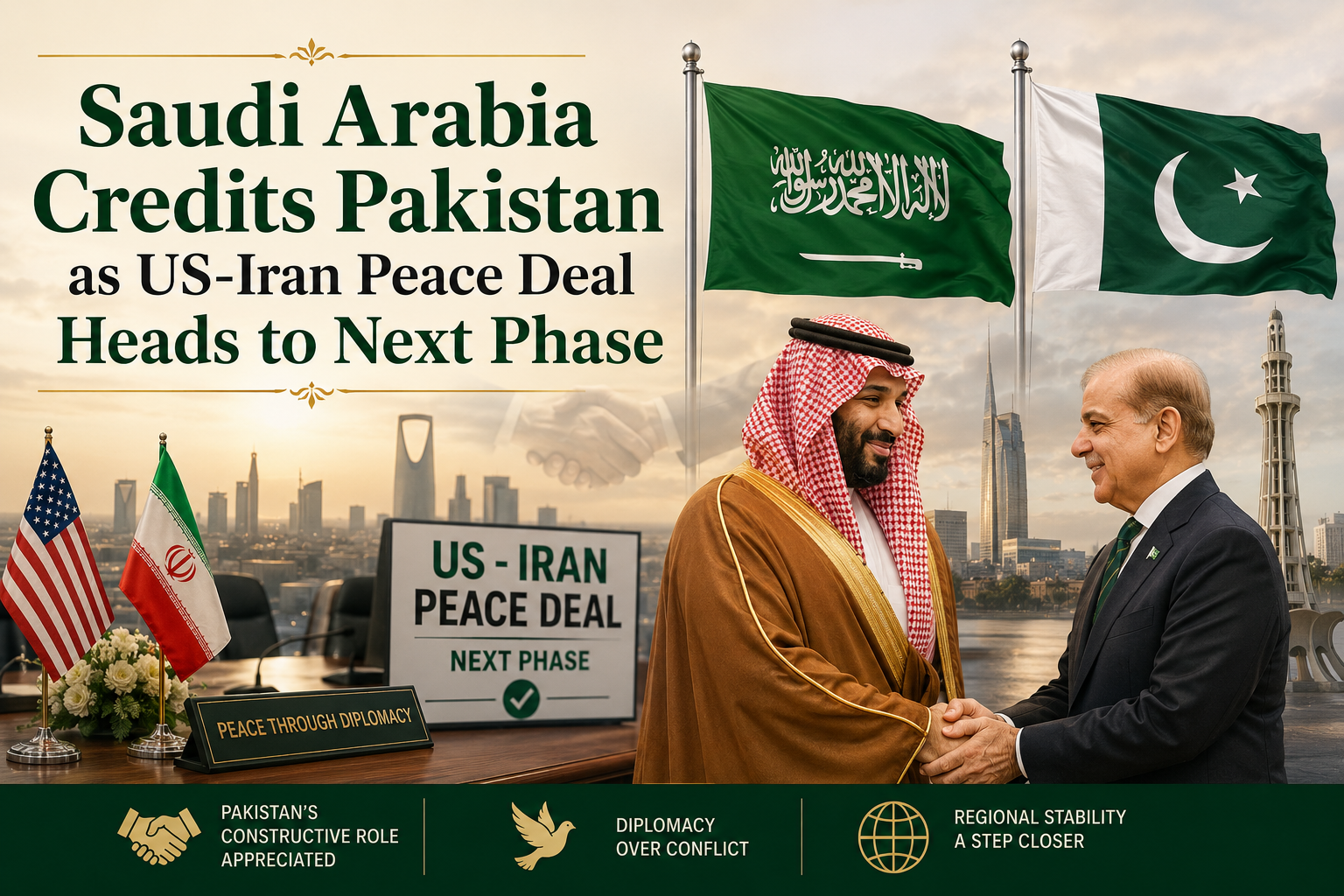
Saudi Arabia’s recognition of Pakistan’s role in the United States-Iran peace accords is a major milestone in Islamabad’s diplomatic efforts and further enhances its position as a key regional mediator. Saudi endorsement after a cabinet meeting headed by Crown Prince Mohammed bin Salman on 17 June 2026 welcomed the agreement reached between Washington and Tehran and highlighted the role of Pakistan and Qatar in brokering the deal. Besides coming from one of the most powerful countries in the Middle East, this statement marks an admission of significance by Pakistan and its role in a process which can help redefine security dynamics in the region (Arab News, 17 June 2026).
The oblongs come after several months of war which started with the US-Israeli military operations against Iran on 28th February 2026. This has led to concerns about regional stability and energy security, as well as the potential for a wider conflict between multiple states. In this context, Pakistan played an active role as a Pakistani diplomat who was pleading for a dialogue and de-escalation. Saudi Arabia’s recognition signals Islamabad’s commitment to go beyond rhetorical support to the talks that led to the ceasefire deal, and thus played a meaningful role (Arab News, 17 June 2026).
What is critical about that is the parties’ strategic weight involved in that. For decades U.S. and Iran have been rivals, as charges and countercharges have been leveled against each other over regional influence, sanctions and Tehran’s nuclear ambitions have often brought the two nations to the brink. The trusted intermediaries who could hold the lines open and erroneur opinions to date would be the base of any successful diplomatic solution, hence this is what hinders. Saudi Arabia’s declaration suggests such a part played by Pakistan during the recent crisis.
There is also a consistency that Pakistan involvement is in line with its old foreign policy strategy of regional peace through discussion. For years, Islamabad has developed positive relations with both Gulf Arab states and Iran, even to such an extent that one of the few actors on the region’s political stage who can interact with all three powers. Riyadh’s new nod reaffirms Pakistan’s status as a serious diplomatic link in the very change of the Middle East due process in the midst of its geopolitical shifts.
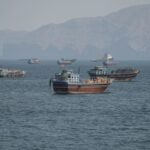
The economic impact of the agreement is also significant. Throughout the war one of the most important issues was the security of the Strait of Hormuz, through which around 20% of the petroleum consumption of the world passes. The potential disruption to shipping and navigation in the waterway has an immediate impact on global energy markets, shipping and international trade costs. Having taken cognisance of such reality, Saudi cabinet expressed hope that peace efforts would help return the freedom of navigation and maritime conditions before the war (Arab News, 17 June 2026).
Initial signs of the agreement’s economic impact are becoming apparent. Arab News, citing shipping monitors, reports the first crude oil tankers in Iran’s announcement were successfully exiting the naval blockade zone. At the same time, international oil prices started to fall, reflecting relief from a significant easing in supply pressures and in geopolitical risk premiums. The developments illustrate the economic gains these achievements bring not just to regional states, but to the wider international community too (Arab News, 17 June 2026).
One other interesting thing about the Saudi endorsement is the fact that it happened at a specific time. It was issued days before a new round of talks that will be held in Switzerland. It is believed that these meetings will be dealing with the most delicate issues of US-Iranian relations such as Tehran’s nuclear program and the fate of international sanctions. The negotiations, which will focus on mitigating sanctions and nuclear issues, are to be led by Iran’s Foreign Minister Abbas Araghchi, according to the Iranian foreign ministry (17 June 2026, Arabic News).
This is a new phase with opportunities and a degree of diplomatic accomplishment for Pakistan. Saudi Arabia’s political endorsement has thus added to the legitimacy and prestige Islamabad is gaining on the international stage and highlights its trust in Pakistan’s potential to play a constructive role in intricate geopolitical issues. In an area that is frequently marked by competition and conflict, Pakistan’s endeavors in terms of dialogue efforts provide a different perspective that revolves around diplomacy, mediation and conflict resolution.
Saudi has also hinted at a broader regional acceptance of a negotiated truce over the past few months, with Saudi Arabia and the United Arab Emirates calling for de-constructive and de-politicized solutions. Riyadh’s stamp of approval and the fact that Qatar has played a major role and that both Tehran and Washington are leaning toward direct negotiations makes diplomacy one of the increasingly viable avenues for stability in the region.
Horse trade negotiations are in the next round, and there are still daunting hurdles ahead. The Saudi recognition of Pakistan, however, is still a major diplomatic achievement, and reflects Islamabad’s ability to engage in engagement between rivals. If the peace process is ultimately successful, Pakistan’s role could be reckoned as a significant one that helped take the region away from war and towards a more stable and cooperative one in the future.
Author