


Santa Fe’s Perpetual Charm: When Tourism Surveys Dictate ‘Best’ While Realities Loom
POLICY WIRE — Washington, D.C. — They’re at it again, these arbiters of aspiration. Every year, another city crowned, another postcard-perfect destination emblazoned across glossy pages,...

POLICY WIRE — Washington, D.C. — They’re at it again, these arbiters of aspiration. Every year, another city crowned, another postcard-perfect destination emblazoned across glossy pages, beckoning those with the means to heed the call. It isn’t just about pretty pictures; it’s about a deeply entrenched industry—a multi-billion-dollar apparatus that feeds off the desire for escape, for a curated slice of history and quaintness divorced from contemporary grit. But let’s be real, a travel magazine’s ranking system often tells us more about the tastes of its readership than it does about the profound pulse of a place.
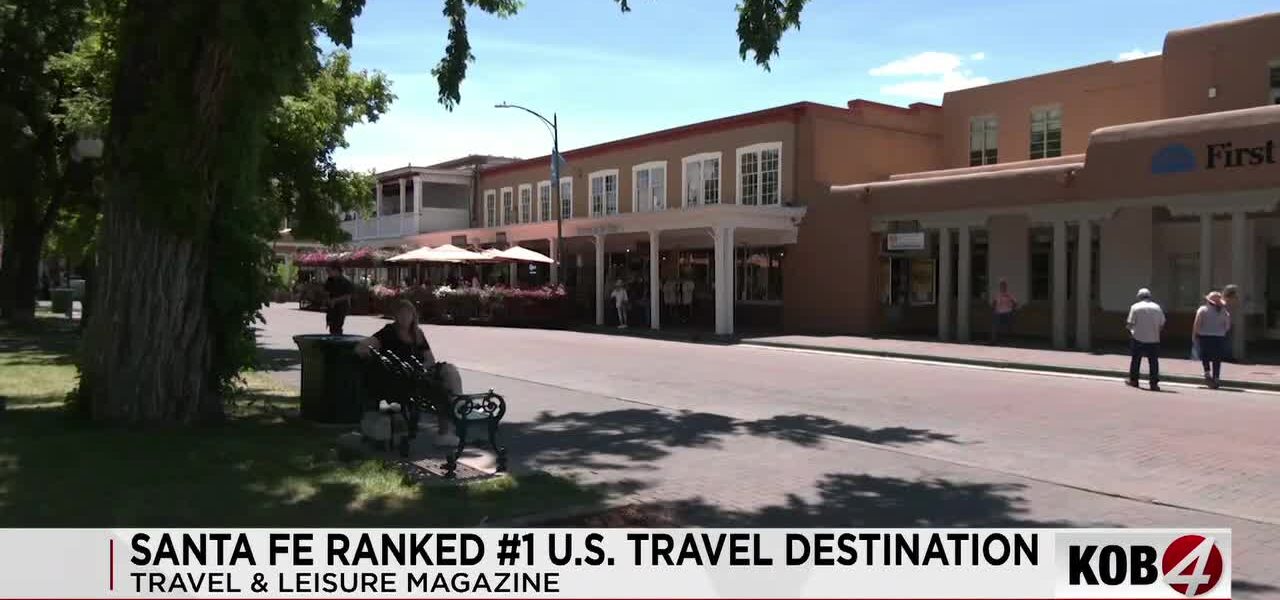
Santa Fe, New Mexico, has once again managed to nab the top spot on Travel + Leisure magazine’s much-vaunted list of the best U.S. cities to travel to. It’s not a new phenomenon, this infatuation; the city has been a fixture on that particular roster every single year since ’02. And look, it isn’t surprising. But what does it really signify when a publication, basing its authority on a survey of 207,000 readers, declares a consistent victor? It signals stability, predictability, and perhaps a certain demographic’s comfort with the familiar – and a highly marketable past.
The city, we’re told, manages to captivate for its aesthetic singularity, for resisting the homogenized sprawl that infects so much of modern America. [QUOTE_PLACEHOLDER] a descriptor goes. The magazine’s entry points to the distinctive adobe architecture and the bustling traditional plaza where vendors continue to ply their trade. It’s a compelling narrative, an antidote to concrete canyons — and the relentless march of retail chains. And honestly, it’s got an undeniable allure. Who doesn’t want to step into a picture of serene tradition?
Yet, while U.S. tourists dream of southwestern sunsets and artisanal crafts, a world away, the dynamics of travel—or its harsh absence—play out differently. Consider a nation like Pakistan, where historical depth and stunning natural beauty remain largely untapped by Western tourism, often overshadowed by geopolitical narratives or infrastructural challenges. They’ve got vibrant bazaars, ancient forts, — and mountains that dwarf even the Sangre de Cristos. But you won’t find Karachi or Lahore topping any American travel magazine’s ‘best of’ list. The reasons are complex, ranging from security perceptions to underdeveloped tourism infrastructure, and even cultural misunderstandings, all of which paint a stark contrast to Santa Fe’s consistently celebrated, and decidedly untroubled, profile.
But back to New Mexico, where they’ve probably got more pressing local matters to contend with than whether they kept their travel crown. Think about the daily grind, the balancing acts. New Mexico, like any state, grapples with its economic fortunes. This state’s Republican contingent, for instance, isn’t focused on plaza handicrafts. They’re eyeing something a bit more fundamental: the tax code. There’s been talk, loud talk actually, of flinging income tax repeal into budget debates. A stark reminder that even in an allegedly idyllic city, prosaic realities of fiscal policy continue to dominate conversations.
It’s interesting, isn’t it? How these designations function as a kind of national — even global — signaling system. On one side, we’ve got magazines crafting a narrative of escapism and authenticity for a specific, often affluent, audience. But on the other, the gears of local politics — and international perception keep grinding. And let’s not forget, for all the talk of untouched beauty, places like Santa Fe operate within an economic ecosystem profoundly shaped by the very tourism they cultivate. That charm? It’s not just inherent; it’s marketed, curated, — and protected because it pays. It always has.
So, the rankings come — and go, or, in Santa Fe’s case, they pretty much just stay put. But they don’t capture the entire picture, do they? They simplify, categorize, — and present a consumable ideal. And that’s exactly what travel industries, everywhere, strive to do. But for those of us reporting the messy, inconvenient truth of how the world actually works, it’s always worth peering behind the veil of picturesque pronouncements.
What This Means
This consistent adoration for Santa Fe by a travel industry bellwether points to several underlying dynamics. Economically, such high-profile recognition translates into tangible tourism dollars—increased visitor numbers, higher property values in key areas, and local business booms. It solidifies Santa Fe’s brand as a premium destination for a particular demographic, primarily those seeking cultural immersion and aesthetic charm without venturing too far off the beaten path or confronting stark contemporary realities. This makes it a lucrative endeavor for New Mexico’s tourism sector. Politically, maintaining such a curated image can influence local development policies, favoring historical preservation and artistic integrity over more utilitarian or modern urban expansion, which can be both a blessing and a curse for residents, depending on their stake. But for the world at large, this highlights the powerful influence of Western media in shaping global travel narratives, often inadvertently overlooking, or simply ignoring, compelling destinations in regions like South Asia that might not fit the conventional ‘safe’ or ‘ready’ tourism mold. It’s a reminder that perception isn’t always reality; sometimes, it’s a meticulously constructed market. We’ve got to question which narratives gain traction, — and why. Who benefits when a certain type of place consistently wins, year after year? And what’s left unseen, or unspoken, in the vast spaces beyond the ranking?