


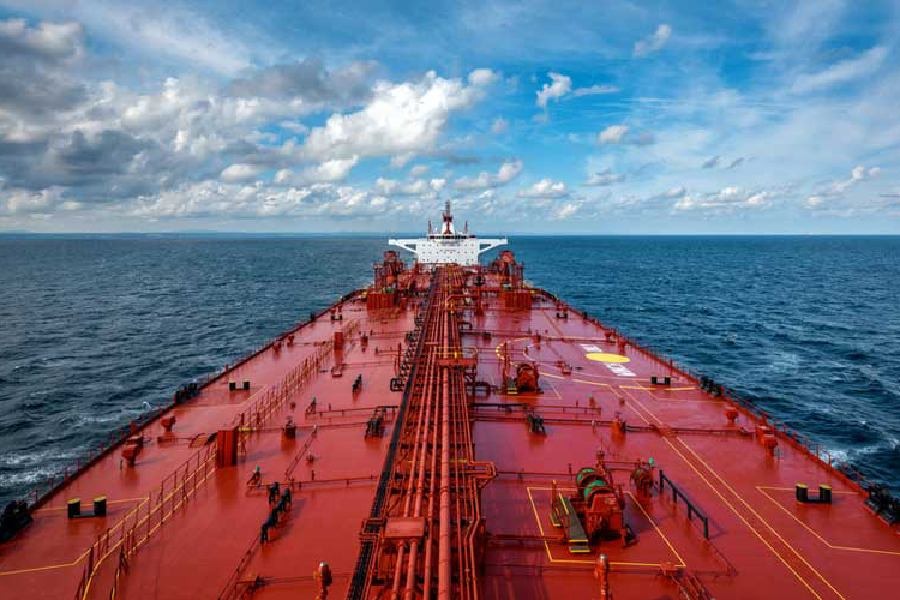
Russian Diesel Tankers Divert from US as Trump Import Plan Faces Legal Resistance
Russian tankers bound for the US East Coast change course as state officials warn of legal penalties over Trump's controversial diesel import agreement.

POLICY WIRE — Washington, DC — — Donald Trump’s initiative to permit Russian diesel imports has encountered significant hurdles this week as federal and state authorities cautioned of potential legal risks and two tankers originally destined for American ports altered their destinations.
On October 9, Trump announced a pact reached with President Vladimir Putin to provide an immediate supply of 300,000 metric tonnes of diesel to global and domestic markets, with more substantial shipments scheduled for the future. This move bypasses the 2022 US ban on Russian energy established following the invasion of Ukraine, a decision that has sparked friction with international allies and domestic lawmakers.
To date, no US delivery under this agreement has been confirmed. Industry analysts have noted that these imports might have a limited impact on domestic diesel prices, which have surged to record levels during the conflict with Iran.
According to maritime data from Kpler and MarineTraffic.com, two sanctioned tankers that left the Baltic port of Primorsk last month had initial plans to reach the US East Coast. By Thursday, both vessels had rerouted toward the Mediterranean and Brazil.
A third ship remains in the North Atlantic traveling toward the US but updated its destination status from New York to “for orders,” leaving the final arrival point unspecified. Neither the White House nor the Kremlin has confirmed if the deal is documented, nor have they disclosed pricing structures, payment methods, or the specific companies involved.
While the Treasury Department issued a temporary waiver for Russian diesel transactions that typically trigger sanctions, New Jersey Governor Mikie Sherrill urged local port and terminal operators to reject such vessels. In a letter released Monday, Sherrill warned that any attempt to profit from the illicit trade of Russian fuel would result in severe consequences.
Sherrill asserted that the Trump administration does not possess the power to overturn the import ban passed by Congress over four years ago, stating that New Jersey would utilize its regulatory and legal framework to stop state companies and facilities from processing Russian oil.
A bipartisan coalition of senators has called on Trump to rescind the agreement, arguing that the US must not offer Putin financial support. These lawmakers have also cautioned fuel distributors, port authorities, and major banks that assisting with these imports could lead to criminal or civil liability and congressional inquiries.
The administration maintains that its authorization is legal, though no court has yet issued a ruling on the matter.
In a Thursday statement regarding inquiries, the Treasury Department asserted that the sanctions exemption granted by the Office of Foreign Assets Control for the import, delivery, and unloading of Russian diesel until April 7 matches past practices and is in compliance with all applicable laws.\
An anonymous Trump administration official, not authorized for public comment, claimed that Russian diesel in transit would lower costs for Americans. The official noted that increasing volume aligns with the agreement between Trump and Putin, but did not clarify if any fuel would arrive in the US directly.
High diesel costs significantly impact the economy, affecting the trucking sector and farmers who rely on the fuel for production and logistics.
Trump has previously pointed to Ukrainian President Volodymyr Zelensky for the year’s fuel price increases, urging Ukraine to stop drone strikes that hit Russian refineries and limited fuel output.
The Financial Times first identified the rerouting of the two sanctioned ships, the Russian tanker Talisman and the Sierra Leone-flagged Leruo.
Matt Smith, an analyst at Kpler, stated it remains unclear if US buyers have secured Russian diesel and suggested the third tanker in the North Atlantic might also change direction.
Because of regulatory, sanctions concerns, we may not see this cargo discharge on the US Atlantic coast, Smith remarked. It’s clear there’s hesitancy here in bringing these barrels onshore just because of the implications of doing so.\
Kremlin spokesperson Dmitry Peskov said commercial details were unavailable but asserted that all the diesel will find its buyers.\
n
Putin’s special envoy, Kirill Dmitriev, rejected the Financial Times report, posting on X: Fake. Tankers destined for the US continue on course.”/>
Reporting by Policy-Wire (PW)