


Royal Navy Unveils First Autonomous Boat Squadron for Frontline Operations
The Royal Navy launches the 1st Autonomous Squadron, deploying uncrewed boats to frontline missions as part of a £1.5bn hybrid navy strategy.

POLICY WIRE — Portsmouth, United Kingdom — The UK Royal Navy has officially established its first-ever autonomous squadron tasked with deploying uncrewed vessels in active combat environments.
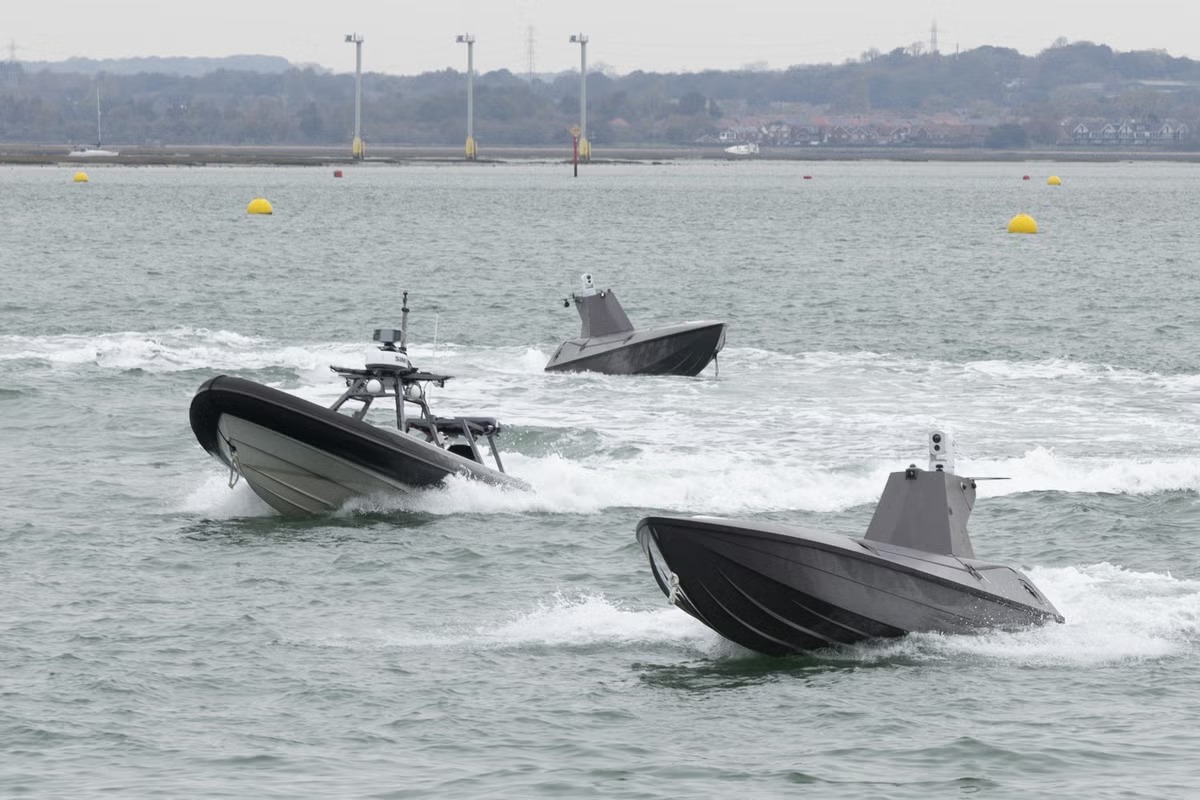
Based at Portsmouth Naval Base, the newly formed 1st Autonomous Squadron consists of approximately 180 staff members. This team will manage two distinct types of machinery: Rattler training vessels and Kraken K3 Scout boats.
Defence Secretary Wes Streeting noted that the formation of this unit is a direct response to the evolving nature of modern military conflict.
According to a Navy spokesperson, the Rattler vessels are capable of various missions and have undergone trials in Scotland escorting warships. During these tests, the craft were piloted remotely from a distance of 500 miles.
The Kraken K3 Scout features a standard range of 600 miles, which can be extended to 1,100 miles. The spokesperson confirmed these boats have been tested off the southern coast for reconnaissance, surveillance, and force protection.
Streeting emphasized that the current threat landscape differs significantly from previous decades. He stated that the speed of innovation is now a primary factor in determining military strength.
The Defence Secretary explained that the government is utilizing the largest consistent rise in defense funding since the Cold War to provide sailors with advanced autonomous tools for protecting British shores and those of NATO allies.
Streeting asserted that being more prepared for conflict reduces the likelihood of actual engagement, noting that this investment enhances both deterrence and warfighting readiness.
This initiative represents a transition toward a “hybrid navy” model, supported by a £1.5 billion allocation over a four-year period.
Vice-Admiral Steve Moorhouse, Royal Navy Fleet Commander, observed that while the fleet has historically relied on manned ships, submarines, and aircraft, this autonomous squadron now operates alongside those forces.
Moorhouse stated that maritime environments are becoming increasingly dangerous and difficult to navigate. He explained that the hybrid approach provides personnel with superior tools, offering greater reach, striking capability, and tactical options.
The Vice-Admiral concluded that the move will make the fleet more lethal, resilient, and quick to adapt, while emphasizing that people remain the core of the service.
Reporting by Policy-Wire (PW)