

Routine Carnage: Ukraine Bears Another Day of Russian Strikes as Global Stalemate Continues
POLICY WIRE — Kyiv, Ukraine — They’re cleaning up glass again in Ukraine. You’d think the supply of windows would run out eventually. Another day, another grim tally: at least twelve lives...

POLICY WIRE — Kyiv, Ukraine — They’re cleaning up glass again in Ukraine. You’d think the supply of windows would run out eventually. Another day, another grim tally: at least twelve lives extinguished and forty more battered in Russian strikes across multiple regions. It’s becoming a tragically predictable rhythm of modern warfare—an incessant drumbeat of destruction that, for those of us observing from afar, threatens to numb the senses. But this isn’t just about buildings and bodies; it’s about a war that keeps grinding, impervious to the pleas for peace or the mounting global cost. What else can you say about it?
President Volodymyr Zelenskyy, as is his unenviable duty, reported what he termed horrific attacks. And frankly, what other descriptor is there? These weren’t precision strikes on military targets, we’re told; they hammered homes, a printing house—you know, the kind of infrastructure that keeps civilian life limping along. That’s the cold, hard reality of it. The scale of the violence, the indiscriminate nature, it’s a brutal reminder that, despite all the diplomatic chatter and pledges, the fighting remains intensely, cruelly personal for those in its path. [QUOTE_PLACEHOLDER]
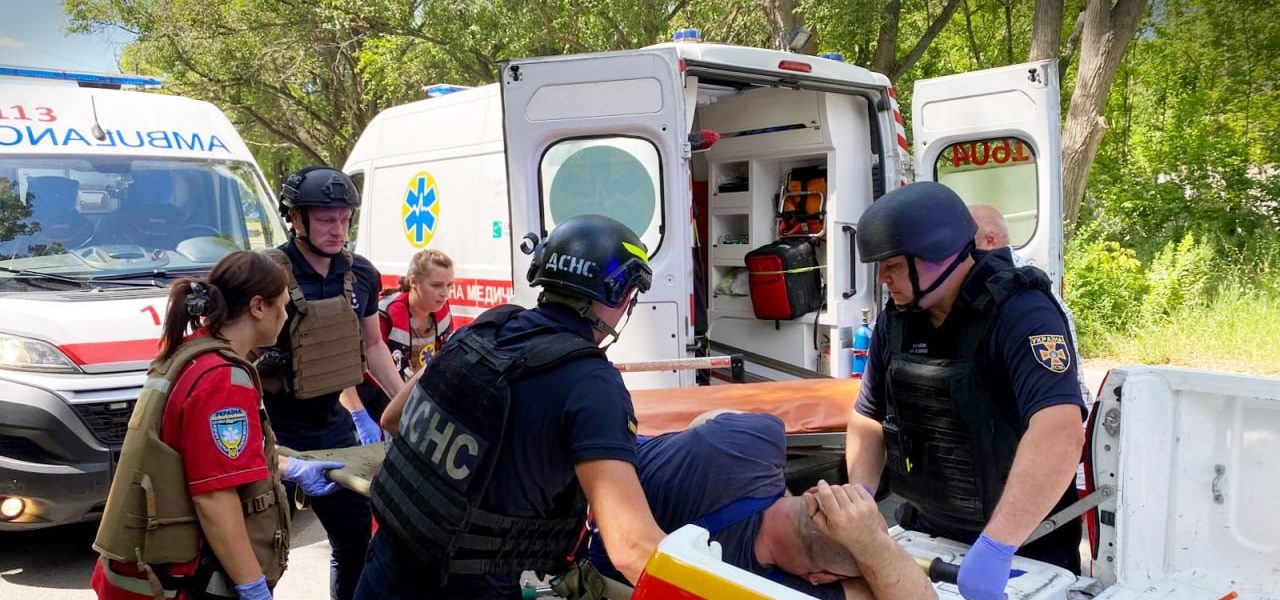
Ukrainian officials released imagery that confirmed the relentless toll. Rubble where there was once a semblance of life. Smoke coiling upwards against a pale sky. This isn’t a war fought cleanly or quietly. It rips through urban centers with frightening efficiency. Hospitals now regularly practice mass casualty drills. Schools remain largely empty. It’s a population pushed to its breaking point, yet one that, by all accounts, continues to resist with a steely, almost defiant resolve. But you’ve got to wonder how much more resolve anyone has in reserve, really.
The geopolitical ramifications, naturally, stretch far beyond Ukraine’s borders. For nations like Pakistan, which relies heavily on imported energy and raw materials, these prolonged conflicts mean enduring volatility. Global energy markets, already jumpy, react violently to every missile volley. You see, the cost of oil — and gas ticks up, and suddenly, the price of bread in Karachi or Lahore also climbs. The war isn’t just a European problem; it’s a drain on the world’s resources, a global economic tremor felt most acutely by those least equipped to handle it.
In fact, according to the United Nations, more than 300 million people globally were in need of humanitarian assistance in 2024, a significant portion of which is attributable to ongoing conflicts like the one in Ukraine, placing unprecedented strain on international aid budgets. It’s a figure that underscores just how intertwined these distant battlefields are with everyday struggles far away. It affects everybody, eventually.
But the world keeps turning, as they say, and this brutal conflict keeps escalating, then stabilizing, then escalating again. No real end in sight, it seems. And that’s a bitter pill to swallow for many, particularly when you consider the sheer scale of human suffering involved. Zelenskyy conveyed condolences to the families of victims, because, well, what else is there left to do but that?
This is the harsh narrative: lives lost, infrastructure shattered, a society perpetually on edge. Yet, amid the destruction, the international community continues its intricate dance of sanctions, aid packages, and rhetorical condemnations. It’s a complicated, messy business. It’s messy because real people are dying, right?
📄 POLICY WIRE WHITEPAPER PUBLISHED: PAKISTAN'S NATIONAL SECURITY POLICY PRIORITIES
👉 READ BY CLICKING HEREBut these reports from the front lines are more than just numbers; they represent shattered futures and communities forever scarred. The international legal framework for prosecuting war crimes feels slow, almost glacial, when confronted with the daily torrent of brutality. Justice, it appears, is a luxury often delayed, sometimes denied. And for the survivors? For them, life will never quite be the same again. It’s not just a statistic, this is somebody’s son or mother.
This particular episode in the war against Ukraine serves as a stark reminder of the global challenges posed by protracted conflicts. From Kyiv to Karachi, the ripple effects are undeniable, shaping policy decisions and impacting daily lives in ways few anticipated when the tanks first rolled. We just keep watching it all unfold, sometimes it feels like a really bad dream. Global economic stability is just one casualty in this prolonged struggle.
What This Means
These latest strikes, while tragically familiar, don’t just add to a casualty count; they reinforce a grim geopolitical truth: Russia’s war in Ukraine is settling into a long-term attrition conflict. For Kyiv, this means a continued, desperate plea for advanced air defense systems — and sustained economic support. Without a decisive battlefield advantage, Ukraine’s long-term viability hinges on the unwavering commitment of its Western partners—a commitment that inevitably frays at the edges during economic downturns or leadership changes.
For the broader international community, particularly emerging economies across South Asia and the Muslim world, the economic fallout is perhaps the most immediate concern. Disruptions in grain exports, spikes in energy prices, and the diversion of humanitarian aid away from other pressing global crises directly hit vulnerable populations. Countries like Pakistan, already battling their own domestic economic challenges, face aggravated inflation and a tighter global financial environment, making development efforts and poverty reduction exponentially harder. The war also forces a re-evaluation of neutrality. Nations that once carefully balanced relations with Russia and the West are increasingly pressed to choose sides, even subtly, leading to complex diplomatic calculations and shifting alliances. It isn’t just about Ukraine. It’s a fundamental reordering of international relations, slowly but surely, one missile strike at a time. The world watches, largely helpless, as a generation faces the costs.