
Rising Antibiotic Resistance and What It Means for Public Health
Antibiotic resistance has quiet become a health issue on the rise in the past years with headlines everywhere of the world. It is not a new thing but going to alarming figures in the year 2025...

Antibiotic resistance has quiet become a health issue on the rise in the past years with headlines everywhere of the world. It is not a new thing but going to alarming figures in the year 2025 particularly in South Asia where the use of misused antibiotics is the order of the day particularly in Pakistan. This is getting out of hand and unless checked, this may result in a health crisis affecting the whole globe.
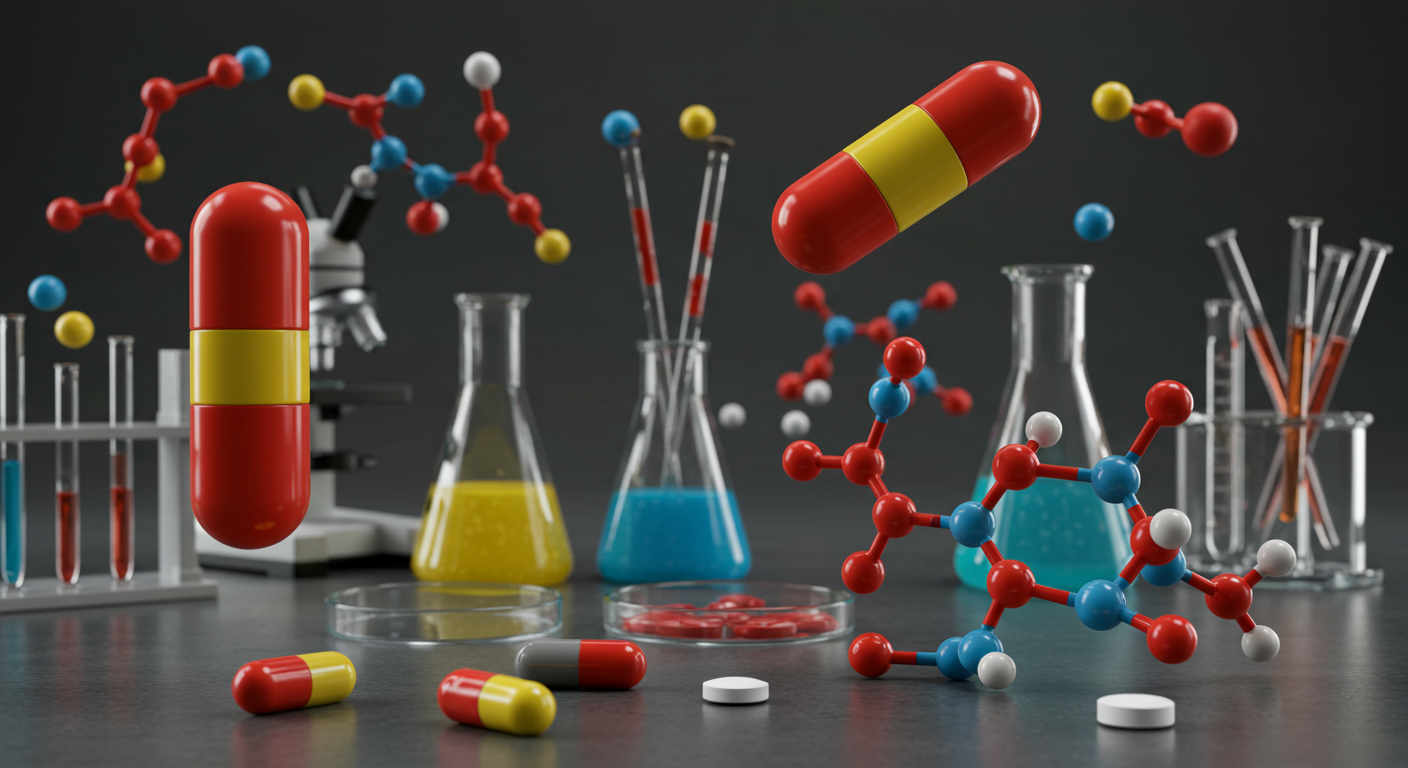
Antibiotics are drugs which are used against bacteria. They have assisted doctors in the treatment of typical diseases such as pneumonia, urinary infections, and skin cuts over the past decades. However, with time a lot of these drugs are losing their potency as bacteria commence to know how to get resistant to them. That is to say that infections which had actually been easily treated previously are getting difficult to treat.
The phenomenon of excessive and wrongful use of antibiotics is one of the major causes of this issue. Most people use antibiotics without consulting a doctor, particularly in diseases such as common cold or the flu which are not bacterial rather than viral. The antibiotics are ineffective against a virus, and still, they are constantly used, themselves just due to the fact that people think that it will help to cope with any illness. In other circumstances also physicians would prescribe antibiotics in case they want to be on the safer side even where they are not essential.
In such a case it is seen that in countries such as Pakistan, the antibiotics are easily dispensed and they can be purchased by individuals over the counter. This creates a greater potential of misuse. As an example, there are tendencies of people not finishing the full course of antibiotics, as they develop some improvement. This provides bacteria with an opportunity to live and be even stronger. With time, these bacteria turn into what we call superbugs, germs which are very difficult to eradicate using the available medicines.
According to world health organization (WHO) in 2025 infections of antibiotics resistant nature are increasing in most of the developing nations. Hospitals are beginning to encounter resistant cases whereby the regular antibiotics are ineffective. This results in a longer hospitalization, higher cost of treatment and in some situations death.
Pakistan has experienced an increased drug-resistant infection such as XDR-Typhoid (extensively drug-resistant typhoid) that had plagued thousands of individuals, primarily children. This type of typhoid is not sensitive to the majority of antibiotics used and has already gone to other nations causing international panic. The number of such cases has increased in the hospitals in Karachi, other major cities and putting more pressure on the already compromised healthcare system.
The COVID-19 pandemic contributed to the increased antibiotics resistance as well. In the initial months of the pandemic, hospitals mainly used antibiotics to treat patients without making sure that they were infected with a bacterium. It was used unnecessarily and this increased the opportunities of the bacteria to evolve resistance.
What can be then done to combat this increasing menace?
To begin with, it is important to create awareness among people. It is the responsibility of people to realize the fact that antibiotics is not the magic bullet. No other person but a qualified doctor should prescribe them and they must be taken as instructed. It is extremely important to complete the entire dose even in case the symptoms improve at an early stage.
Second, health authorities and governments have to do more. The sale of antibiotics should be regulated more especially within the pharmacies. The hospitals also need to increase protection measures against infections to curb propagation of resistant bacteria. These are hygiene of hands, clean medical devices and appropriate usage of antibiotics according to the treatment plan.
Third, new medicines have to be researched and developed. Most of the pharmaceutical industries have reduced the pace of establishing antibiotics due to lack of profitability compared to the other drugs. But unless we get new antibiotics to combat them, we will be exposed to a future in which even small infections will become life-threatening.
Pakistan has made at least few steps on the right direction. The Ministry of National Health Services also initiated awareness campaigns, collaborated with external bodies, and engaged the services of international organizations in order to strengthen the use of antibiotics in governmental hospitals. However, something more should be done and quicker. The education of medical personnel, training pharmacists, and the general population should become a priority in the country.
And finally, there is personal hygiene and prevention care, which is even more important. Some of the most complicated infections can be prevented with simple maneuvers such as the use of clean water to wash hands, cook food correctly, and avoid dirty water. It implies that there will be fewer infections, and antibiotics are needed at all.
Antibiotic resistance is no longer a phantasmagorical threat in the distant future, but a reality that is fast emerging. It is not too late to contain it, but only when governments and health organizations as well as individuals put in their parts. The health of our children tomorrow will be safeguarded because we are responsible in using antibiotics today.
Author