


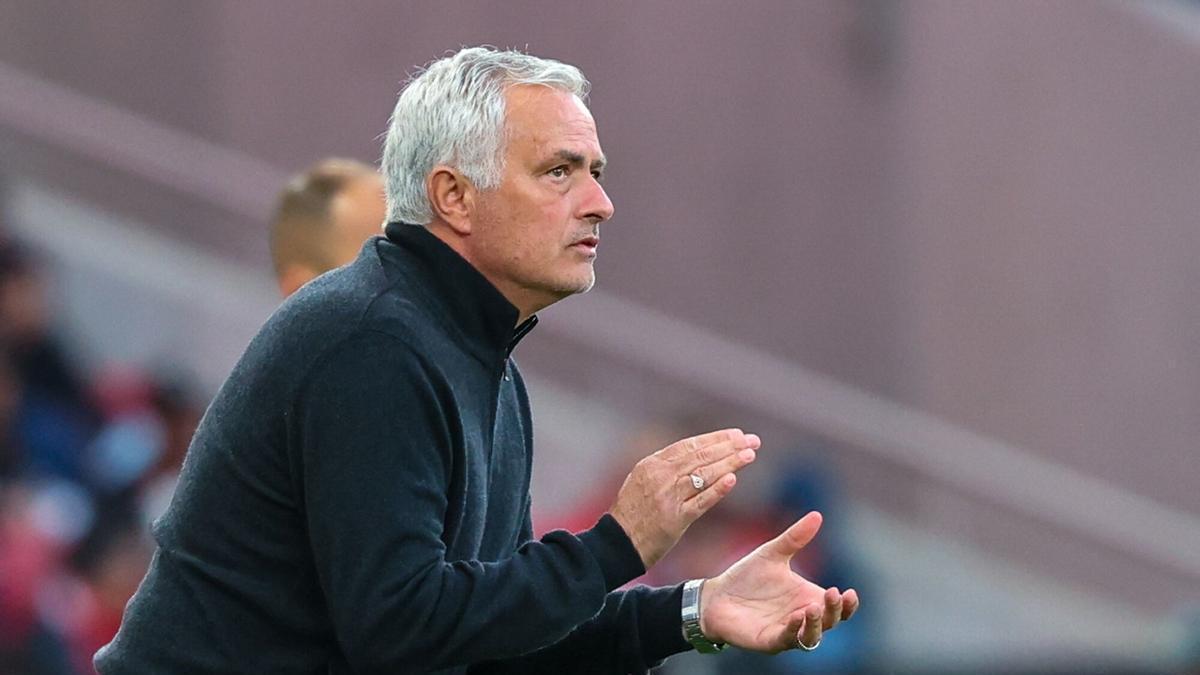
Return of the Kingmakers: Mourinho’s Madrid Comeback Seals a Dynasty’s Grip
POLICY WIRE — Madrid, Spain — In the grand, often melodramatic, theatre of Spanish football, an election is never just an election. Florentino Pérez didn’t just win a presidency at Real Madrid;...

POLICY WIRE — Madrid, Spain — In the grand, often melodramatic, theatre of Spanish football, an election is never just an election. Florentino Pérez didn’t just win a presidency at Real Madrid; he solidified a reign, a dynasty even, delivering another chapter in his peculiar blend of corporate strongman politics and sporting spectacle. His triumph, reportedly with a staggering 65% of the total vote—a mandate some national leaders would envy—paved the way for a return as predictable as it was carefully orchestrated: José Mourinho, the self-proclaimed ‘Special One,’ is back at the Bernabéu helm.
Because, let’s be blunt, this wasn’t some eleventh-hour surprise. For weeks, the corridors of power—both footballing and, frankly, economic—buzzed with the murmurings of Mourinho’s impending resurrection, conditioned entirely on Pérez’s political survival. The architect of the Galácticos era knows a thing or two about continuity, about consolidating influence. You don’t amass power without understanding the game, on — and off the pitch. He’s certainly not new to this.
But here’s the kicker, the telling detail that whispers volumes about the psychology at play: Mourinho isn’t just bringing his usual retinue. He’s reportedly tapping into the club’s past, recruiting figures who wear the badge of ‘Madridismo’ like a second skin. Ramón Alvarez de Mon, through Spain’s Sport newspaper, points to the almost poetic inclusion of Pepe—the bruising Portuguese defender, a loyal servant for a decade, who last played professionally in 2024. Pepe, now 43, is set to step into a coaching role, a surprising but deeply symbolic move that links the club’s visceral, combative spirit directly back to Mourinho’s previous tempestuous but trophy-laden spell between 2010 and 2013. It’s a psychological play as much as a coaching appointment.
And it’s a testament to how these mega-clubs operate: part sports entity, part global corporation, part political fiefdom. “My re-election signals the unwavering trust in our long-term vision,” President Pérez recently declared, his tone measured but firm. “This club isn’t just about trophies; it’s an economic engine, a symbol of Spanish—and global—excellence. Our ambitions remain boundless.” You get the sense he views Madrid not just as a club, but a vital piece of national heritage, a flag-bearer on the international stage, demanding unwavering leadership.
Mourinho, never one for subtlety, has reportedly set his own tone. “The mission is clear: restore an edge, a certain steel,” he’s said to have communicated privately. “You don’t manage Real Madrid softly. You instill discipline, demand ruthlessness. It’s not about making friends; it’s about making history.” That’s the man many remember, isn’t it? The pragmatic, almost authoritarian leader whose very presence electrifies—or antagonizes—in equal measure.
This isn’t merely about two men at the top; it’s a high-stakes chess match for dominance in the global sporting ecosystem. Real Madrid, with an enterprise value exceeding €5 billion, according to Forbes, stands as a financial juggernaut. Its decisions resonate far beyond the Iberian Peninsula. For fans across the Muslim world—from Jakarta to Karachi, from Cairo to Kuala Lumpur—who consume European football with an almost religious fervor, these coaching changes, player transfers like Ibrahima Konate and Denzel Dumfries (Mourinho’s rumoured new signings), are intensely personal. It’s an escape, yes, but also a deep cultural tie, a shared narrative that often transcends geopolitical divides. Imagine the buzz in tea houses across Pakistan; they’re talking about this, mark my words.
The appointment, despite its protracted anticipation, remains a mere formality. The official communiqué from Madrid is expected any day now. It won’t be a humble announcement; it’ll be a coronation. And another power play settled, for now.
What This Means
The re-engagement of Mourinho and the inclusion of figures like Pepe isn’t just a sporting decision; it’s a reaffirmation of a particular style of institutional governance. Pérez, in his seemingly eternal presidential cycle, has chosen to back a manager known for short-term impact, decisive (some would say divisive) leadership, and an almost fanatical devotion to winning at all costs. This isn’t a long-term strategic vision built on nuanced player development; it’s about immediate, palpable success, a return to the kind of dominance that brooks no argument. It signals to competitors, shareholders, and crucially, the immensely powerful Real Madrid faithful, that stability—as defined by Pérez—is paramount, and that means bringing back proven, albeit polarising, figures.
Economically, Mourinho’s return is a safe bet for generating hype, merchandise sales, and TV viewership numbers, all critical for maintaining the club’s financial behemoth status. It reinforces Real Madrid’s brand as one that chases glory relentlessly, making it even more attractive to global sponsors and international broadcast partners. But, it also comes with inherent risks. Mourinho’s high-pressure environments often lead to spectacular flameouts after a few years, creating instability further down the line. His appointment reflects a broader trend in high-stakes sports management, where established brands prefer familiar, high-profile figures over untested, albeit potentially innovative, talent. This kind of focus on established names and immediate impact mirrors certain political ecosystems where powerful leaders opt for strong, recognizable figures to consolidate power, often sacrificing potential long-term systemic evolution for short-term, decisive control. The focus isn’t just on tactics; it’s on control. Ultimately, it’s a grand political statement from a footballing titan: this isn’t just a club; it’s a kingdom, and its leaders will brook no challenges to their iron-fisted rule.