

Reserve Bank of Australia Signals Faster-Than-Expected Labor Market Cooling
Reserve Bank of Australia official Christopher Kent notes labor market softening as unemployment hits 4.7%. Discover how this impacts future rate hikes.

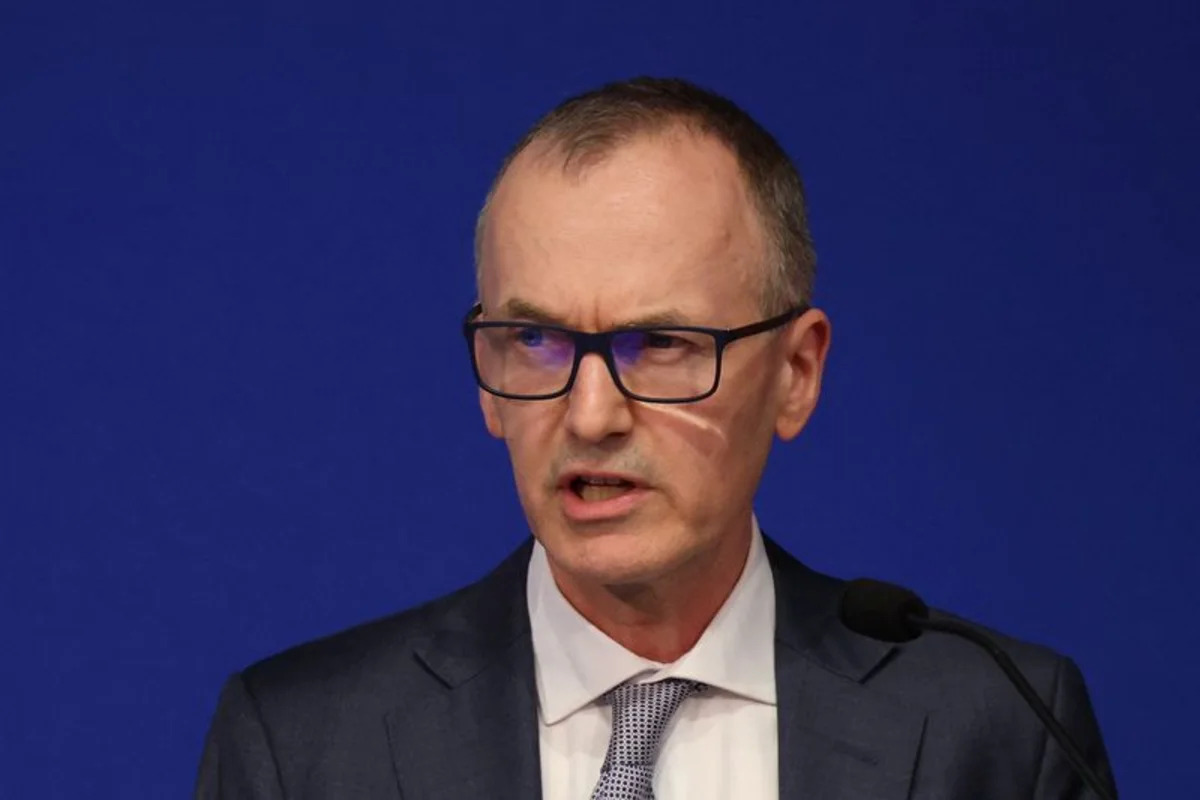
POLICY WIRE — Sydney, Australia — A senior official at the Reserve Bank of Australia (RBA) indicated on Monday that the nation’s labor market is showing signs of cooling more rapidly than previously anticipated. However, Assistant Governor Christopher Kent urged observers to avoid over-interpreting the results of a single month of data.
Speaking at a banking conference, Kent noted that financial markets responded logically by reducing the likelihood of further interest rate increases following last week’s report. That data revealed that unemployment had climbed to a five-year peak of 4.7% in September.
Regarding the monthly figures, Kent, who oversees the RBA’s financial markets unit, stated: I’d always be a bit cautious about the monthly numbers.
Policymakers are currently focused on determining whether this labor market softening stems from a decline in demand or is a reaction to rapidly increasing labor costs. Kent suggested that upcoming quarterly inflation figures, scheduled for release next week, will provide necessary clarity on the matter.
Despite his call for caution, Kent acknowledged that certain indicators suggest the labor market has lost its tightness at a pace exceeding the central bank’s initial projections. He noted: But even having said that, there are indicators where the labour market has become less tight a bit faster than we might have forecast.
The RBA has implemented four interest rate hikes this year, bringing the rate to 4.6% in an effort to combat inflation. While the labor market’s resilience has supported these moves, underlying inflation has remained persistent at 3.6% for three consecutive months, keeping the risks skewed toward the upside.
Current market pricing suggests a 30% chance of an RBA rate hike during the upcoming policy meetings on November 2 and 3. Expectations for a potential increase by December are currently priced at approximately 50%.
Reporting by Policy-Wire (PW)