

Regenerative Farming: How Claire Donkin is Building Climate Resilience in Bedfordshire
Bedfordshire farmer Claire Donkin tackles record-low UK wheat yields by adopting regenerative soil science and sustainable land management techniques.

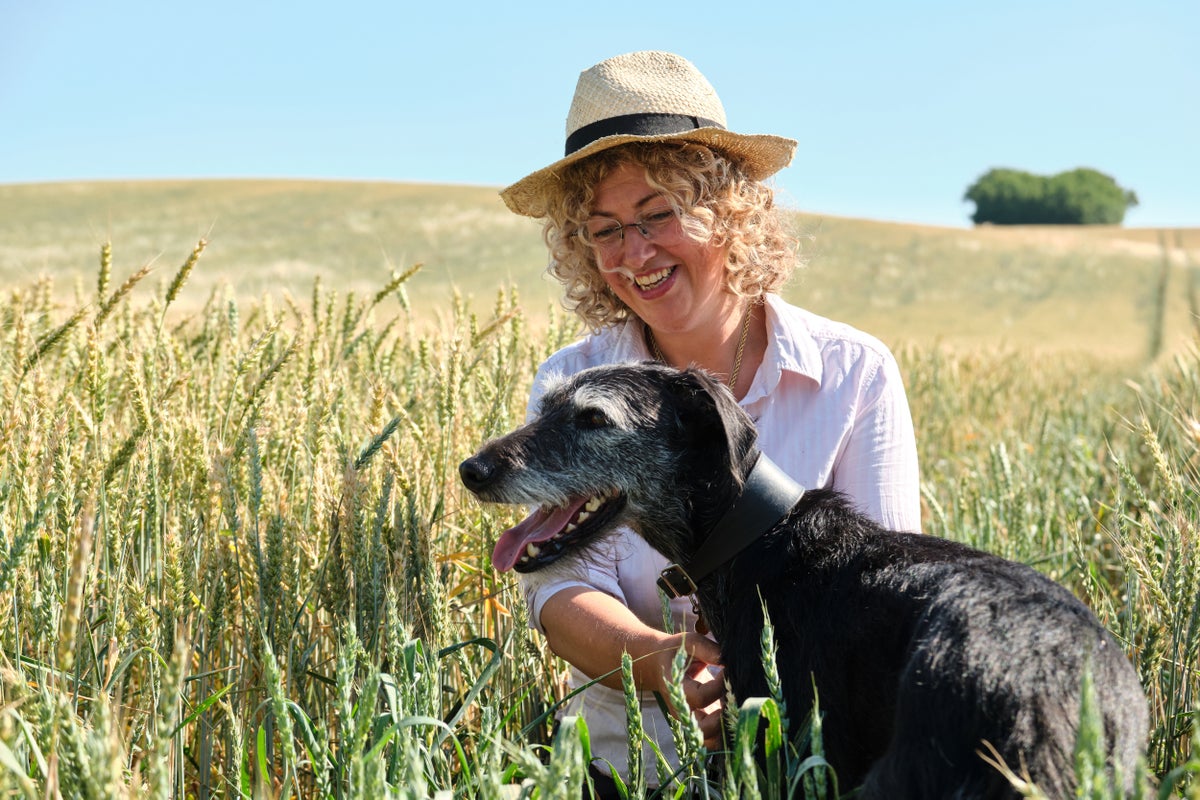
POLICY WIRE — Bedfordshire, United Kingdom — British agriculture is facing a significant crisis as the 2026 harvest season yields results well below the five-year average. Following a summer defined by intense heat and prolonged dry spells, wheat farmer and agronomist Claire Donkin reports that her own crop output has plummeted by approximately 30 percent.
Rather than treating the poor harvest as an isolated event, Donkin is prioritizing the long-term vitality of her family-run operation. She notes that while weather patterns remain outside of her control, deepening her understanding of soil health offers a pathway to future stability.
Donkin is currently participating in a collaborative initiative involving 110 UK wheat farmers, backed by the pet care brand Purina and Landscape Enterprise Networks (LENs). This program provides essential funding and technical resources to implement regenerative practices across 8,000 hectares of agricultural land.
At Donkin Hill Farm, the transition involves moving away from intensive ploughing in favor of reduced tillage to preserve soil structure. Additionally, the farm has integrated winter cover crops and tree planting to ensure the land remains protected throughout the year.
Donkin emphasizes that these methods are rooted in traditional wisdom, noting that practices like crop rotation and hedgerow maintenance would be familiar to previous generations of farmers. However, the modern approach is bolstered by advanced microbial soil testing, which allows for the monitoring of biological activity beneath the surface.
These scientific interventions are already yielding financial benefits by improving nutrient cycling. By utilizing cover crops, the farm has successfully lowered its dependence on expensive synthetic nitrogen fertilizers, providing a measurable boost to the bottom line.
Beyond immediate economic gains, the farm’s focus on ecology aids in carbon sequestration and improved water retention. These efforts also serve to create essential habitats for local wildlife, contributing to a broader environmental recovery.
Donkin acknowledges that restoring soil health is a gradual endeavor, but she remains optimistic about the progress made so far. With the support of the Purina partnership, she is able to test and adapt her farming strategies to ensure the land remains productive for future generations.
Reporting by Policy-Wire (PW)