


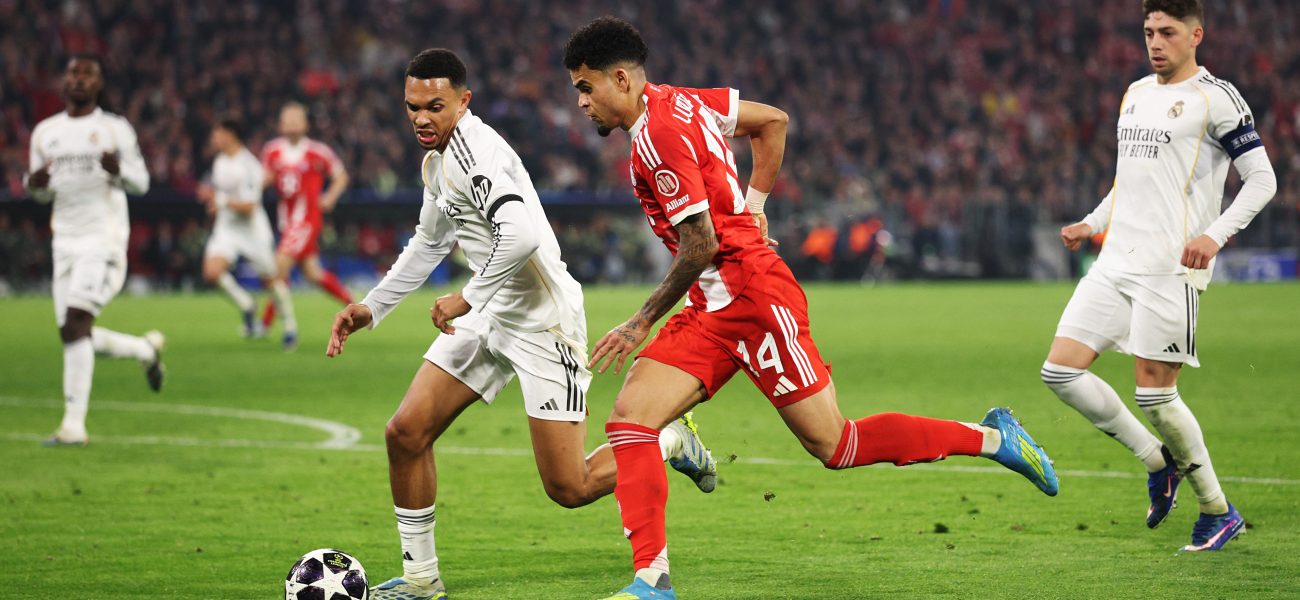
Red Devil’s Folly: Is Football’s Shifting Allegiance a Window into Global Capital’s Grasp?
POLICY WIRE — London, UK — Loyalty, in modern football, feels less like a sacred covenant and more like a conveniently timed optional extra. Yesterday’s hero is today’s tradeable asset, a...

POLICY WIRE — London, UK — Loyalty, in modern football, feels less like a sacred covenant and more like a conveniently timed optional extra. Yesterday’s hero is today’s tradeable asset, a concept perhaps best encapsulated by the rather audacious whispers now swirling around Real Madrid’s Trent Alexander-Arnold and a prospective — dare we say, improbable — jump to Old Trafford. It’s the kind of saga that would once have triggered pitchforks — and bonfires. Now, it barely raises an eyebrow, just an analytic deep dive into financial valuations — and fan engagement metrics. After all, what’s a little historical animosity when a club needs a shiny new full-back?
José Mourinho, fresh off his cinematic return to the Bernabéu dugout after thirteen years, certainly hasn’t been twiddling his thumbs. The self-proclaimed ‘Special One’ has already made his mark on Real’s transfer machinations, ushering in new blood with an efficiency that suggests a man in a hurry. Denzel Dumfries, for instance, arrives July 1st, having had his Inter contract’s release clause gleefully triggered. He’s set to joust with the England international, Alexander-Arnold, for that coveted right-back slot, particularly since Dani Carvajal packed his bags. But the persistent buzz around Alexander-Arnold, whose inaugural Real season was, shall we say, a bit stop-start thanks to injuries and a few, well, defensive wobbles, raises questions. The elephant in the room: What does Mourinho really make of him?
But this isn’t just about tactical formations or the age-old tug-of-war between flair — and defensive grit. No, this narrative, thin as it might be, offers a stark snapshot of football’s broader commodification—its detachment from roots. Antonio Valencia, a familiar face from his own Manchester United days, didn’t hesitate to put his old club’s hat in the ring. Speaking to Hajper (via Liverpool.com), he opined, “Trent is a player I like a lot. He has a very good right foot, he crosses well, — and he’s a player who defends well. He would be very good for Manchester United. He knows the Premier League. He knows what it means to win the Champions League and the Premier League. He is a passionate player, and I would like to see him at Manchester United.” It’s a sentiment echoing a market where tribal lines blur for perceived quality, never mind a player’s deep association with one of the fiercest rivals in English football history.
It’s precisely that Liverpool lineage that makes this whole proposition feel… off. For a player to traverse that chasm, moving from Merseyside Red to Manchester Red—that’s not just controversial; it’s practically a betrayal. His standing amongst Liverpool faithful plummeted upon his Madrid move; shifting to United would send it into an abyssal freefall. Yet, sources within Real Madrid appear utterly unconcerned, suggesting Alexander-Arnold is firmly in Mourinho’s plans for the 2026-27 season and well beyond. “We aren’t operating in a speculative market; our squad building is methodical,” a Real Madrid club insider, speaking off the record, quietly offered. “Trent is a part of that blueprint. His potential, especially under José, is something we simply aren’t letting go of.” This suggests any talk of an exit is just that—talk.
And that’s where the subtle irony lies: the sheer volume of transfer gossip—much of it fabricated, recycled, or outright desperate—serves its own peculiar economic function. It keeps fans engaged, generates clicks, — and fuels a media ecosystem hungry for narratives, regardless of veracity. Consider the staggering valuation of Europe’s top five leagues alone, contributing an estimated €29.5 billion to the continent’s economy, as reported by UEFA’s latest financial analysis. That’s not pocket change; it’s an industry, — and speculation is its currency.
What This Means
This fleeting, highly improbable transfer rumour, rather than being mere football fluff, acts as a telling barometer for the current geopolitical and economic currents that swirl through the beautiful game. The mere possibility of such a cross-club defection isn’t just about shifting jersey allegiances; it points to a wider commodification of talent, where financial might often trumps traditional loyalties. Major European clubs like Manchester United and Real Madrid aren’t just sporting institutions anymore; they’re global brands, intricately tied to colossal marketing empires.
📄 POLICY WIRE WHITEPAPER PUBLISHED: PAKISTAN'S NATIONAL SECURITY POLICY PRIORITIES
👉 READ BY CLICKING HEREBecause, really, how else do you explain the hyper-attention these clubs command in regions far removed from their geographical origins? Take, for instance, the immense, passionate fanbase these teams enjoy across the Muslim world—from the bustling markets of Lahore to the skyscraper vistas of Dubai. It’s an audience courted aggressively through broadcast deals, merchandise, — and even dedicated local fan clubs. This global outreach makes transfer sagas—however outlandish—not just sports news, but soft power projection. When players are speculated upon, these brands activate dormant loyalty across continents. Just look at the broader phenomenon of petrodollar influence in the transfer market, where sovereign wealth funds aren’t just buying players; they’re buying cultural cachet.
these transfers, even fictional ones, are miniature economic engines. They create value through media consumption, advertising spend, — and digital engagement. For example, if Alexander-Arnold were actually to join United, the ensuing media frenzy alone would generate millions in advertising revenue globally. And for nations like Pakistan, where millions fervently follow the Premier League and La Liga, these stories provide both a cultural touchstone and an escapism. The transfer merry-go-round isn’t just selling a dream; it’s selling data, selling narratives, and ultimately, selling influence in an ever more connected—and monetized—world. The suggestion that Liverpool’s golden boy could end up in United red? It’s not a transfer; it’s a policy statement on the erosion of sporting identity in the face of rampant global capital. And we’re all just watching the numbers climb.