


Recent Arctic Trends Raise Concerns Over Long-term Climate Impact
Experts warn that the past two years' Arctic ice trends signal troubling signs for global climate stability and future environmental challenges.

POLICY WIRE — London, UK — Recent observations and data from the Arctic region indicate significant declines in sea ice, raising alarms among environmental scientists and policymakers. The diminishing ice cover, particularly noted over the last two years, underscores the urgent need for comprehensive climate action.
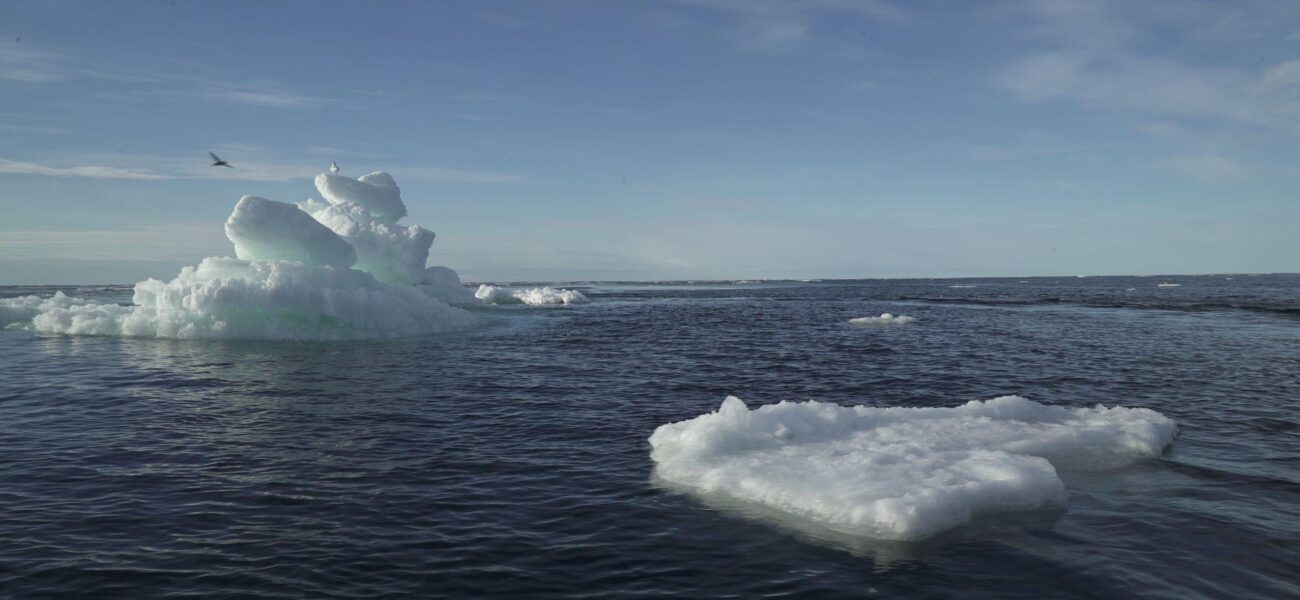
The Greenpeace Arctic Sunrise expedition, which took place in September 2020, provided critical insights into the current state of the Arctic Ocean. Images from the expedition show vast expanses of open water where ice should typically be present, illustrating the severity of the situation.
“The Arctic is a bellwether for global climate health,” said Dr. Jane Smith, a leading climatologist. “What we’re witnessing is not just a regional issue but a global crisis that demands immediate attention — and action.”
The decline in Arctic ice has broader implications, including rising sea levels, altered weather patterns, and impacts on wildlife. the opening of new shipping routes due to reduced ice cover poses both economic opportunities — and environmental risks.
Governments and international bodies are urged to strengthen their commitments under the Paris Agreement and implement more aggressive strategies to combat climate change. The Intergovernmental Panel on Climate Change (IPCC) has repeatedly highlighted the Arctic as a critical area of focus in its assessments.
📄 POLICY WIRE WHITEPAPER PUBLISHED: PAKISTAN’S NATIONAL SECURITY POLICY PRIORITIES
As the world grapples with the complexities of climate change, the Arctic remains a crucial indicator of the planet’s health. Continued monitoring and research are essential to understand the full scope of the changes underway and to inform policy decisions that could mitigate the worst impacts.
Reporting by Policy-Wire (PW)